Most people notice a sewer problem only when the drains back up or foul odors fill the air. But early warning signs often appear long before that happens. Small changes in water flow, strange patches in the yard, or unexpected sounds from pipes can tell us something deeper is wrong.

We can spot uncommon indicators of sewer line distress by paying attention to subtle shifts in our plumbing, landscaping, and even indoor environment. Recognizing these signals early helps prevent serious damage and costly repairs. Small clues; like gurgling noises, recurring clogs, or soggy lawn spots; often reveal hidden strain inside sewer lines.
We’ll explore how to identify these unusual red flags, what causes them, and when to bring in professionals for inspection and repair. Understanding these less obvious warnings gives us the advantage to act before a minor issue grows into a major disruption.
Direct Signs of Uncommon Sewer Line Distress

We can often identify sewer line distress through direct physical or sensory changes in our property. These signs include foul odors, unusual sounds in drains, unexpected changes in yard growth, and increased pest activity. Recognizing them early helps us prevent larger plumbing system failures.
Persistent Foul Odors Indoors or Outdoors
Foul or sewer odors that linger indoors or around the yard usually signal a leak or vent problem within the plumbing system. When sewer gas escapes, we may smell a sulfur-like scent near drains, basements, or outdoor vents. Even small cracks in pipes can release unpleasant odors that spread quickly.
We should check whether traps under sinks hold water. A dry trap can allow sewer gas to pass through. Outdoors, broken sewer laterals or joints may cause a similar smell near the ground.
Key signs to observe:
- Odors stronger after rain or temperature changes
- Smells coming from floor drains or foundation vents
- Air pressure changes near toilets or sinks
Addressing the source early prevents corrosion, mold, and indoor air quality issues.
Unusual Gurgling or Bubbling Noises in Drains
Gurgling or bubbling sounds in sinks, toilets, or tubs often point to venting or flow restriction. These noises occur when trapped air pushes through wastewater instead of escaping through the vent line. It can sound like boiling water or slow bubbling.
We can hear gurgling when multiple drains run at once or during toilet flushing. In some cases, partial blockages from grease or tree roots disrupt normal flow. That pressure causes water to back up, carrying air pockets that create the sound.
Common sources include:
| Source | Description |
|---|---|
| Blocked vent pipe | Prevents air from entering the drainage system |
| Clogged main line | Slows water flow and traps air |
| Damaged traps | Allows air movement and bubbles |
Consistent noise may mean a deeper problem that needs professional inspection.
Sudden Patches of Lush or Soggy Grass in the Yard
A sudden area of thick, green, or soggy grass can indicate a sewer leak under the surface. Wastewater leaking into soil acts as fertilizer, making vegetation grow faster and brighter in a specific patch.
We may also notice muddy ground or standing water despite dry weather. That suggests the plumbing system is leaking below the lawn. The extra moisture and nutrients feed grass roots continuously.
To confirm, we should look for these location clues:
- Spots near sewer cleanouts or foundation lines
- Persistent dampness unusual for the season
- Grassy patches surrounded by normal growth
Ignoring this sign risks soil erosion and foundation damage from prolonged saturation.
Frequent or Unusual Pest and Rodent Activity
Rodents, cockroaches, and other pests often enter through cracks or gaps created by damaged sewer lines. When sewage leaks underground, it provides moisture and food sources that attract them. We might also see pests near floor drains, basements, or utility openings.
These infestations usually grow fast because rodents can travel through sewer pipes and enter homes through openings in deteriorated joints. Cockroaches thrive in warm, damp environments created by leaking pipes.
Possible warning indicators:
- Increase in rodent sightings indoors
- Cockroaches around bathroom or laundry drains
- Grease or dirt marks near pipe openings
Fixing pipe damage and sealing entry points helps control pest infestations and prevents structural harm.
Hidden and Overlooked Indicators
We often miss early signs of sewer line distress because they appear as everyday household or property issues. Noticing small changes in soil condition, moisture levels, and building stability can help us detect problems before larger damage occurs.
Mysterious Water Pooling or Wet Spots on Property
Water pooling or wet spots in the yard can point to a leaking sewer line. These areas may appear even during dry weather and often feel soft or spongy underfoot. When waste water seeps into the soil, it alters the ground’s moisture balance and weakens nearby surfaces.
We should check if standing water or unusually lush grass appears in isolated patches. Both can signal underground leaks that encourage excess plant growth. Over time, this moisture may lead to soil erosion and subtle depressions that change yard drainage patterns.
To confirm the cause, we can examine where the wet spots align with the home’s main sewer route. A simple table may help organize observations:
| Sign | Possible Cause | Action |
|---|---|---|
| Wet spots in dry weather | Broken sewer pipe | Inspect with camera |
| Foul odor near pooling | Waste leakage | Contact plumber |
| Uneven ground or soft soil | Long-term moisture | Check for erosion |
Foundation Cracks, Sinkholes, or Structural Changes
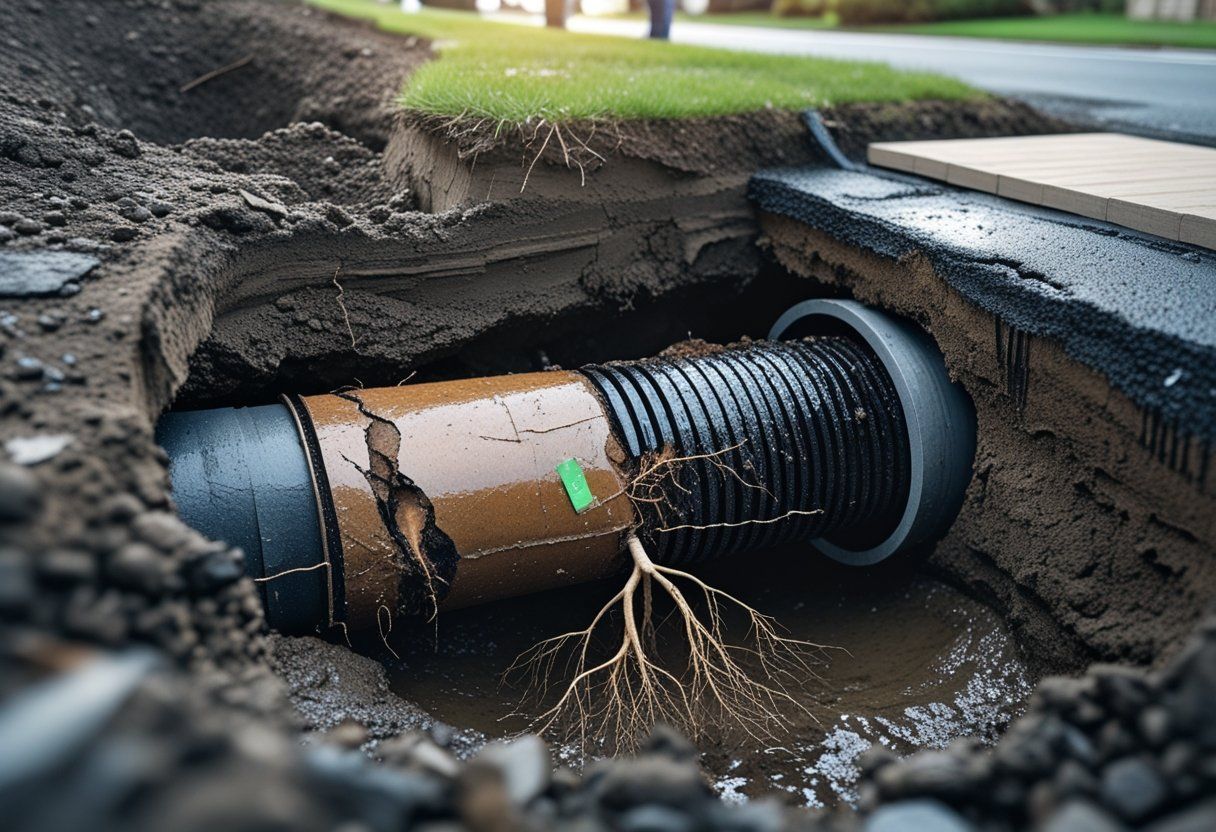
Hidden sewer leaks often create foundation cracks or small sinkholes because leaking water loosens the soil that supports the home. Over time, the ground settles unevenly, stressing the concrete slab or basement walls.
We may notice fine horizontal cracks that widen gradually, or sections of flooring that sag slightly. Structural damage develops when the soil under load-bearing walls shifts or is washed away. Even small surface fractures deserve attention, especially if their shape or size changes after rainfall.
Areas with persistent dampness along the foundation also indicate possible foundation damage or soil movement. It is safer to record each change, mark crack ends with tape, and measure them over several weeks to track progression.
Unexpected Mold Growth or Water Damage Indoors
Unexplained mold growth or creeping water damage inside the home can stem from a damaged sewer line leaking beneath the floor or behind walls. Sewer moisture rises through building materials, creating humid spaces perfect for mold spores.
We should check baseboards, flooring edges, and lower wall sections for discoloration or musty smells. These areas often trap moisture from below, especially near bathrooms, kitchens, or laundry rooms. Property damage follows quickly if mold spreads to drywall or subfloor materials.
Frequent cleaning may not solve the issue because the true source lies deep underground. Using a moisture meter to map damp zones can help locate leaks. Documenting water stains and testing air humidity levels give useful clues before scheduling a professional inspection.
Root Causes and Escalating Problems
We often see sewer line distress begin with gradual damage that can silently worsen over time. Issues like root invasion, pipe corrosion, and repeated blockages create a chain of failures that weaken the entire plumbing system.
Tree Root Intrusion and Soil Shifting
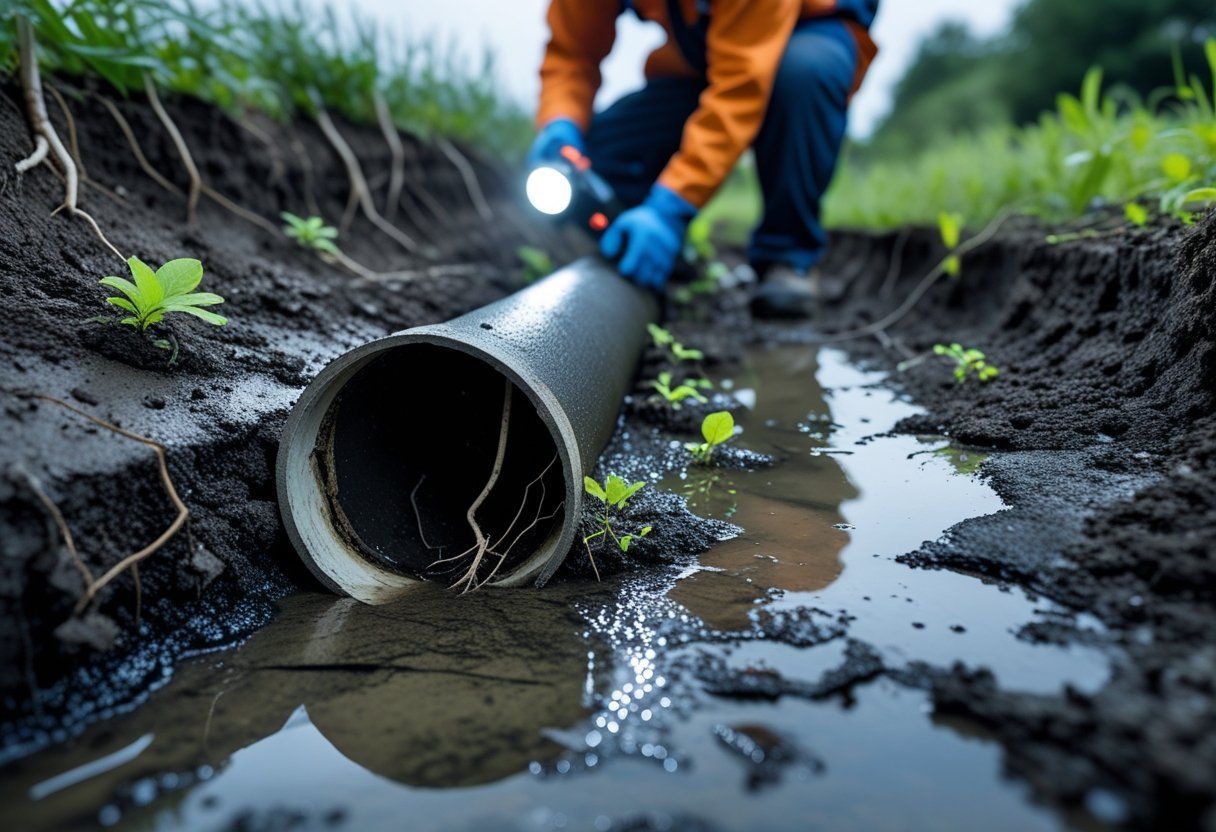
Tree roots naturally seek moisture, and a small crack or joint gap in a sewer line offers an easy path. As roots grow inside the pipe, they form dense mats that trap debris and cause clogs or complete blockages. This intrusion not only slows water flow but also exerts pressure that widens cracks.
Soil shifting adds to the problem. Heavy rain, drought, or nearby construction changes the ground balance, bending or misaligning buried pipes. We often notice dips or “bellies” in the line where wastewater settles, speeding up corrosion.
Key warning signs include:
- Sudden drops in water pressure
- Slow drains across multiple fixtures
- Gurgling sounds after flushing
Addressing small leaks and root entry early prevents large-scale sewer line damage and costly excavation later.
Pipe Corrosion, Joint Failures, and Material Deterioration
Aging pipes weaken as materials react with moisture, chemical residues, or shifting temperatures. Cast iron and galvanized steel commonly rust, while clay and concrete pipes can crack under pressure. Corrosion thins pipe walls and weakens sealing joints, allowing leaks that erode surrounding soil.
When joint failures begin, wastewater escapes and soil can enter the pipe, compounding the damage. Over time, this creates uneven flow and increases the risk of failing sewer lines.
| Common Materials | Typical Lifespan | Common Weak Points |
|---|---|---|
| Cast Iron | 50-75 years | Rust and scaling |
| Clay | 50+ years | Cracking at joints |
| PVC | 25-40 years | Fitting separation |
Regular inspection with a camera helps us spot early corrosion or loose joints so replacement can happen before leaks spread.
Frequent Clogs, Grease Buildup, and Blockages
Frequent clogs often signal deeper problems inside the sewer line. Over time, grease, food waste, and sediment collect along pipe walls, narrowing the flow path. Thick grease buildup hardens and traps debris like wipes or hair, leading to slow drains and strong odors.
When blockages recur soon after cleaning, it may mean structural damage, root growth, or misaligned joints beneath the surface. Repeated water backups usually indicate the pipe no longer drains properly and requires thorough inspection.
We recommend simple habits to reduce risk:
- Avoid pouring fats or oils down drains
- Flush only waste and toilet paper
- Schedule professional drain cleaning yearly
By maintaining clear lines, we limit stress on the plumbing system and delay costly sewer line repairs or replacement.
Professional Detection and Repair Solutions
We use proven tools and repair methods to locate hidden sewer line issues, restore damaged pipes, and reduce the need for major excavation. Skilled professionals can detect small problems early and extend the life of a sewer system through precision inspections, efficient repair options, and consistent maintenance.
Advanced Leak Detection and Camera Inspection
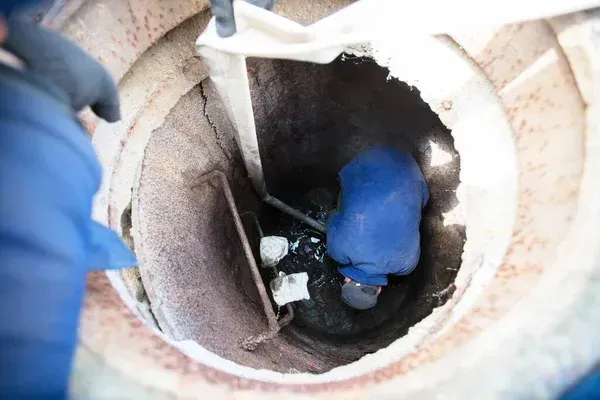
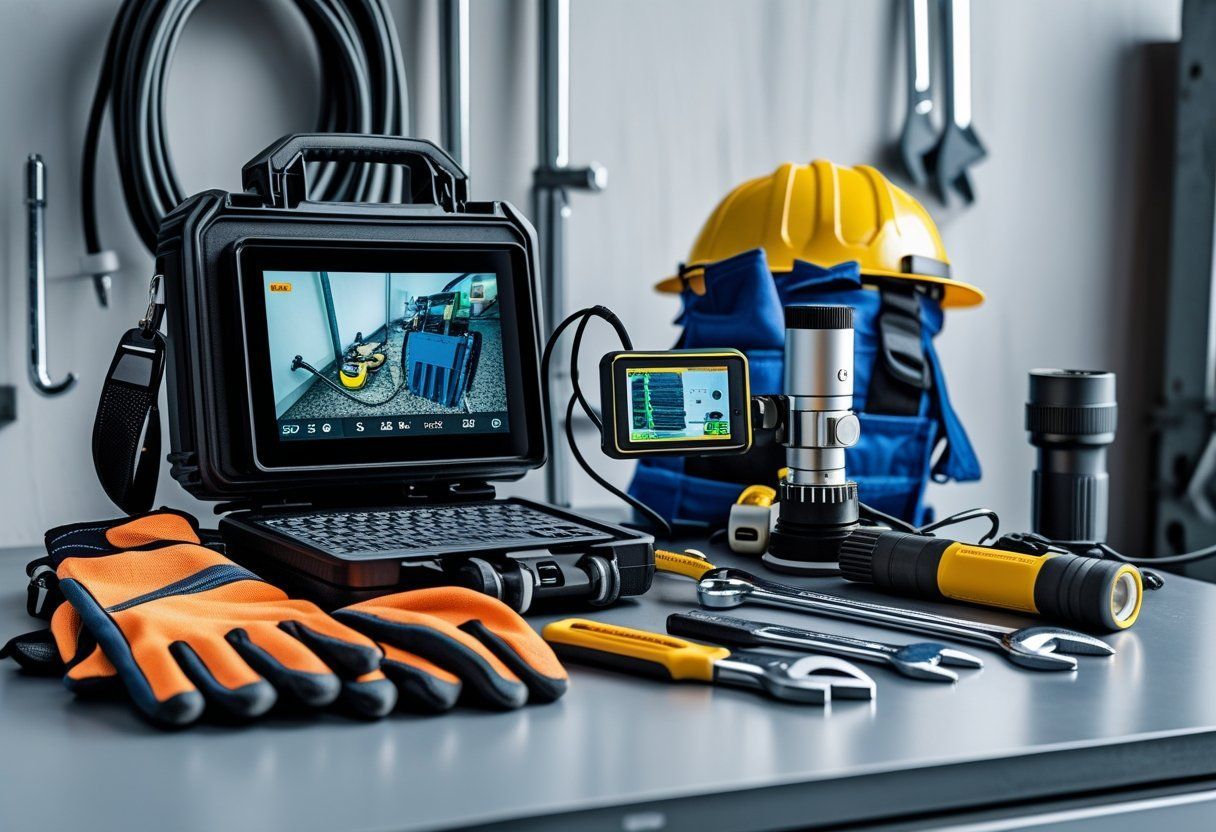
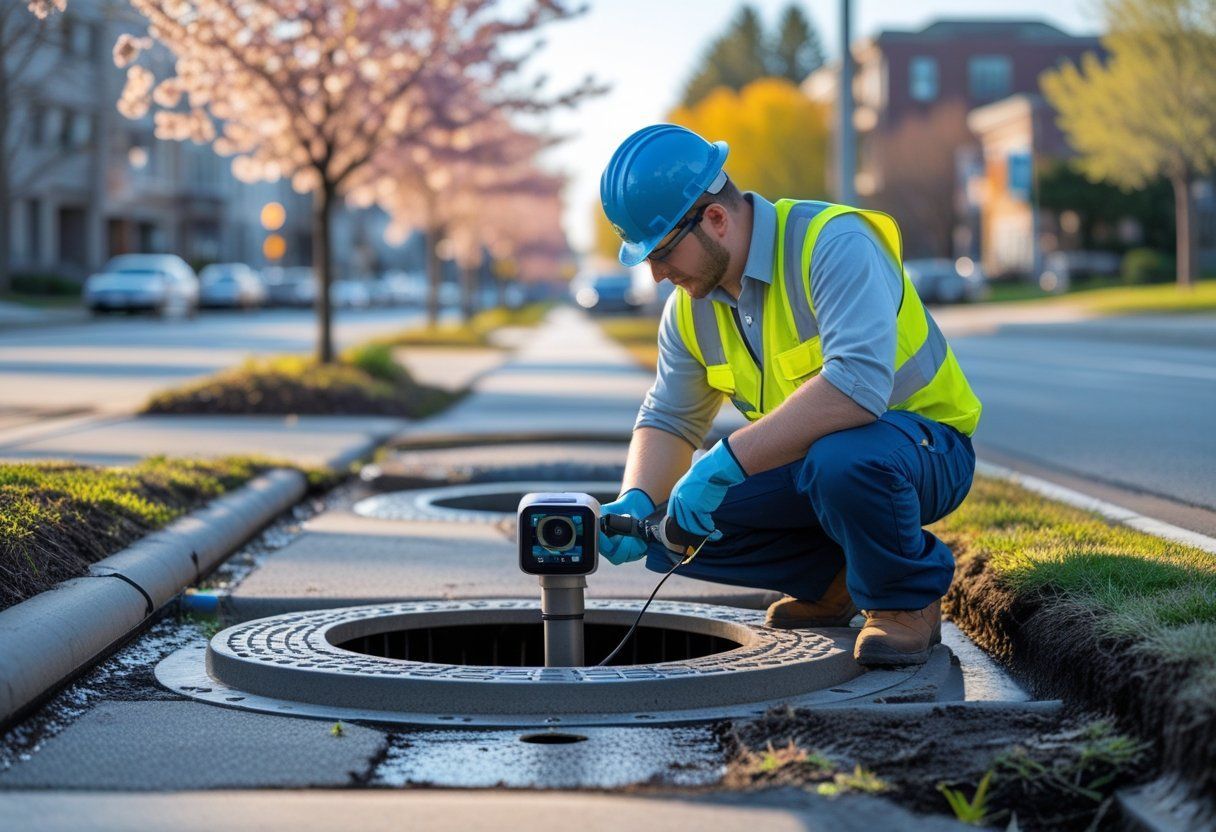
We rely on advanced leak detection equipment and camera inspection technology to pinpoint blockages, cracks, and corrosion without digging. A small waterproof camera is inserted into the line, capturing a real-time video inspection of the pipe’s interior. This allows us to see what we’re dealing with before taking any repair action.
Technicians can identify root intrusions, sediment buildup, or pipe misalignment with high accuracy. The diagnostic footage helps decide whether simple plumbing repairs or full sewer line repair is needed. By narrowing down the problem area, we save time and cost for both property owners and technicians.
Using sound-based leak detection tools, we listen for escaping air or water, confirming the leak’s exact location. This non-invasive approach reduces unnecessary excavation and speeds up problem resolution while protecting lawns and pavement.
Trenchless Sewer Repair and Pipe Bursting Options
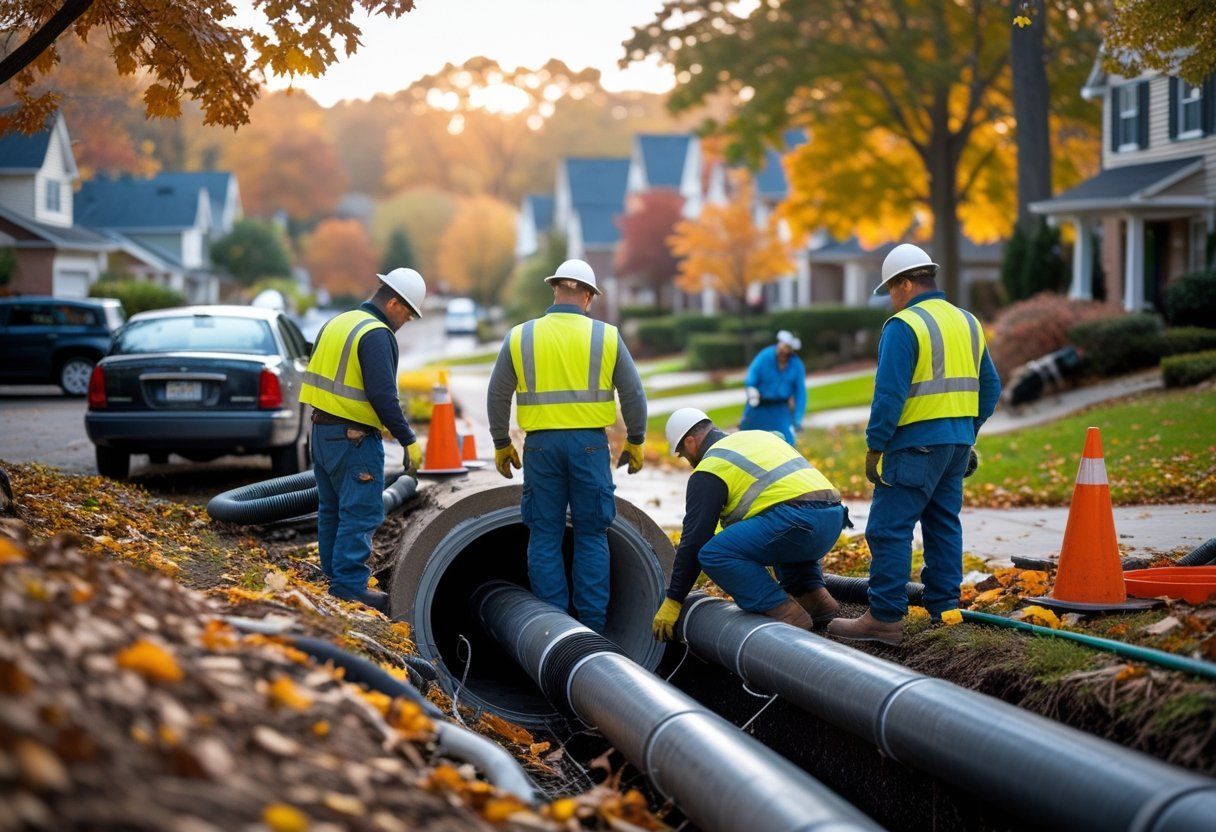
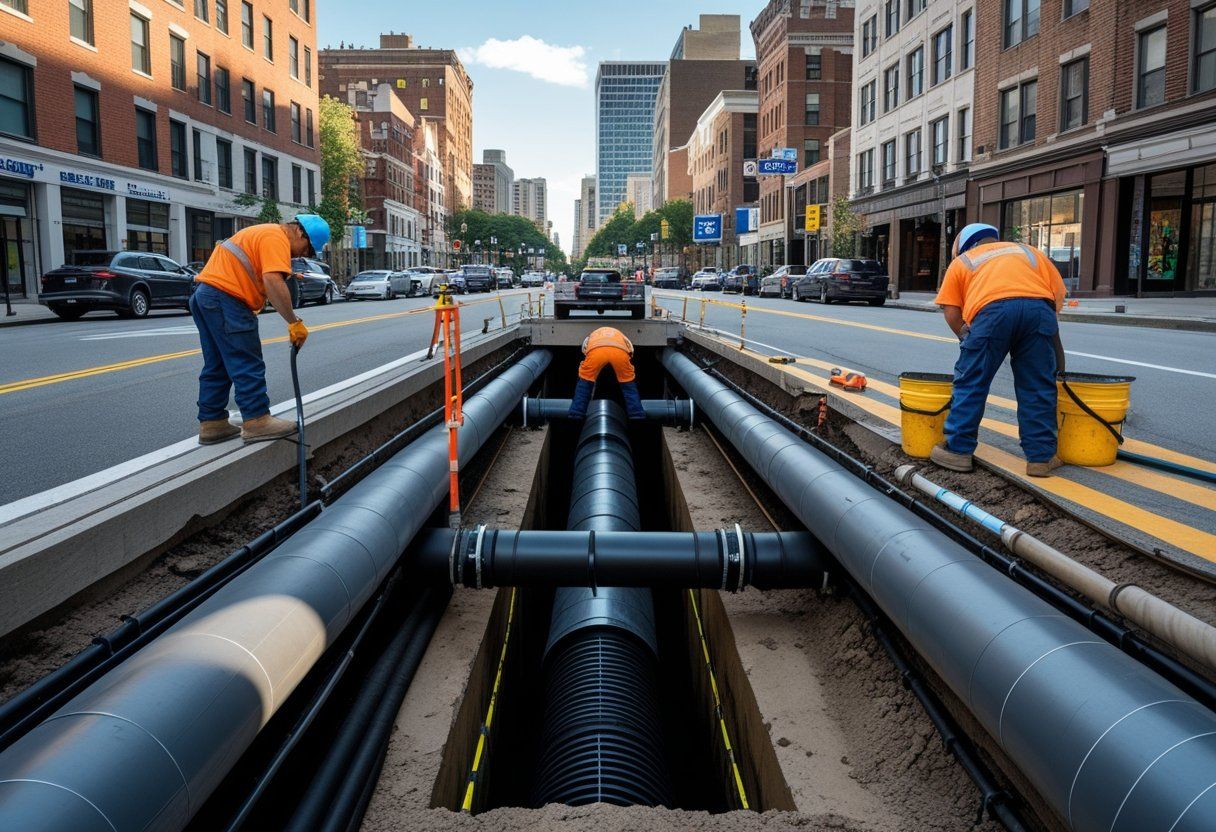
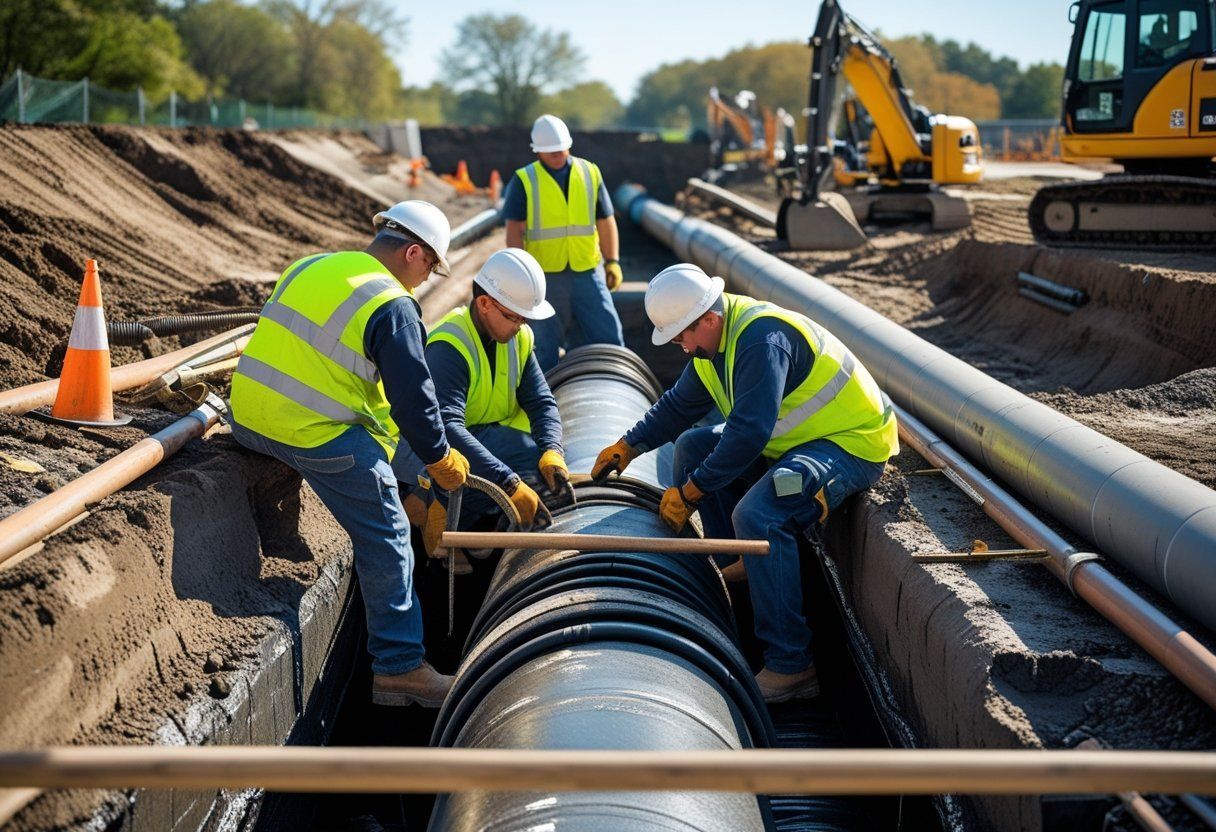
When pipes fail but digging is not ideal, we recommend trenchless sewer repair methods like pipe bursting or cured-in-place pipe (CIPP) lining. These options avoid tearing up landscaping or driveways, making them a fast and clean alternative.
In pipe bursting, a new pipe replaces the old one by breaking the damaged pipe outward as a replacement line follows behind. The CIPP process installs a flexible liner that hardens in place, sealing leaks and reinforcing the existing structure. Both solutions offer lasting sewer line repair with minimal disruption.
We typically use emergency plumbing services for properties where pipe failure risks flooding or contamination. These professional plumbing services rely on trained crews and specialized machinery to restore flow quickly and safely.
| Method | Benefits | Typical Use |
|---|---|---|
| Pipe Bursting | No trenching, durable new pipe | Collapsed or broken pipes |
| CIPP Lining | Seals internal cracks | Leaky or structurally weak lines |
Routine Sewer Line Maintenance and Cleaning
We keep sewer systems healthy through routine sewer line maintenance and thorough sewer line cleaning. Regular inspections help us catch issues like grease buildup, scale, or minor leaks before they worsen.
For cleaning, we use several tools:
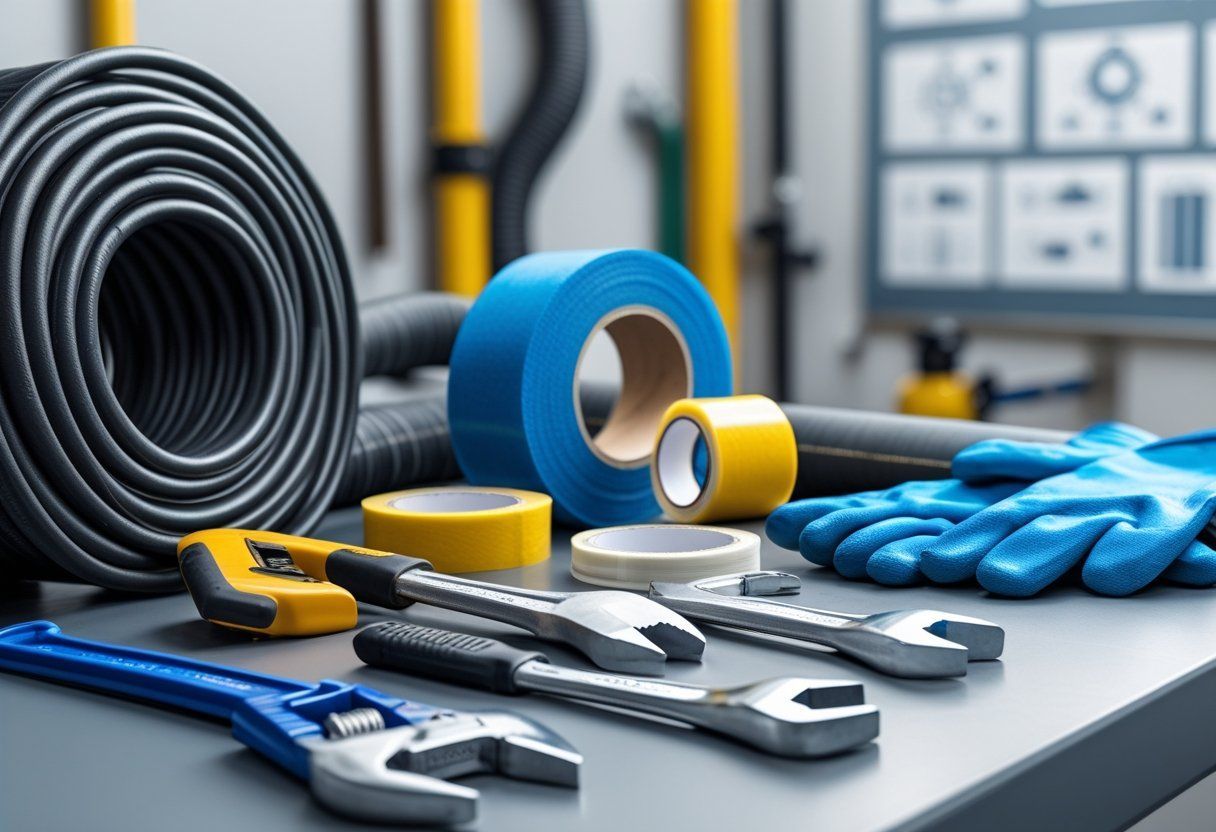
- Drain snake for clearing minor clogs.
- Drain cleaner or drain cleaners for dissolving residue in smaller drains.
- Hydro jetting for blasting away heavy debris and tree roots from larger lines.
Frequent drain cleaning maintains water flow, prevents odors, and supports a clean environment. Professional plumbers track each inspection and cleaning schedule, ensuring the system remains efficient. Reliable plumbing services keep homeowners away from unexpected emergency plumbing services and costly sewer line repairs later.