The Role Of Trees In Sewer Line Damage Prevention And Sustainable Urban Infrastructure

Trees make neighborhoods more attractive and help improve air quality, but their roots can cause serious plumbing problems. Sewer lines often sit near large tree roots searching for water, which can lead to cracks or blockages underground. When we understand how trees affect sewer lines, we can prevent costly damage and protect our property’s plumbing system.

A mature tree with roots surrounding but not damaging underground sewer pipes in a suburban yard.

We can take simple steps to identify warning signs before they turn into major issues. Understanding how roots grow and interact with buried pipes helps us make smarter landscaping choices and plan for long-term maintenance.

By learning the causes of sewer line damage, spotting early signs, and using prevention methods or professional help when needed, we can keep both our trees and our plumbing systems healthy for years to come.

How Tree Roots Cause Sewer Line Damage

Underground view of tree roots damaging a sewer pipe beneath a green tree on a grassy lawn.

Tree roots naturally seek out moisture and nutrients. When they find leaking underground sewer lines, they move toward them, often growing into small gaps or cracks. Over time, this leads to blockages, pipe pressure, and costly plumbing system repairs.

Tree Root Behavior and Attraction to Sewer Lines

Tree roots tend to grow where water and nutrients are available. When sewer lines develop small leaks from aging joints or loose fittings, they release moisture into the surrounding soil. This creates a damp zone that attracts nearby roots.

Roots sense the higher moisture level using hydrotropism, guiding their growth toward the source. Species with invasive root systems, such as willow, poplar, and maple, are especially drawn to these conditions because their roots grow aggressively and travel long distances.

Once close to a sewer line, fine hair-like roots locate the tiniest openings in pipe joints, cracks, or loose connections. Root growth continues in the direction of the leak until the opening provides direct access to the interior of the pipe. This early stage of infiltration can happen quietly and without visible signs on the surface.

FactorDescription
Soil MoistureHigher around leaking joints; attracts roots
Pipe MaterialOlder clay or concrete pipes have more gaps
Root Growth RateFaster in shallow soil with consistent moisture

Mechanisms of Root Intrusion and Damage

Root intrusion occurs when growing roots physically penetrate a sewer line. The process begins with thin feeder roots entering small openings. Inside, they absorb water and nutrients, creating a favorable environment for continued growth.

As roots expand, they press against pipe walls and joints. This pressure increases internal stress on the line, which can lead to cracks, joint separation, or complete collapse. In older underground sewer lines made of clay or cast iron, joints are especially weak points where root growth is most common.

With time, a single root strand can branch and thicken, forming a dense root mass inside the pipe. This mass slows or blocks wastewater flow. If left untreated, it can trap debris, create foul odors, and cause wastewater to back up into homes or yards.

Simple root management measures like regular inspections, mechanical cleaning, or the use of root killers can help control small intrusions before they lead to severe sewer line damage.

Consequences of Tree Root Infiltration

Tree roots in sewer lines create multiple problems that affect both the plumbing system and nearby property. The most immediate issue is reduced pipe capacity. Wastewater flow becomes restricted as roots collect grease, tissue, and debris.

Repeated blockages can cause significant pressure buildup. Eventually, this pressure may crack the pipe or force raw sewage out through weak points. Homeowners often notice recurring drain clogs, slow toilets, or foul smells as early warnings of deeper tree root infiltration.

In serious cases, root intrusion can compromise soil stability around the pipe, causing surface depressions or sinkholes. Repair work often involves excavation to remove affected sections and replace them with modern materials less prone to leaks.

To prevent future tree root damage, we must monitor tree placement near sewer lines and maintain proper distance between large-rooted species and underground utilities. Routine inspection and timely root management can significantly reduce the risk of costly repairs.

Identifying and Diagnosing Tree Root Intrusion in Sewer Systems

Tree roots often invade sewer lines through small cracks or weak joints, seeking moisture and nutrients. Detecting early signs and using accurate inspection methods helps us prevent costly plumbing damage and reduce the need for emergency sewer repairs.

Warning Signs of Root-Related Sewer Problems

We can usually spot root intrusion by noticing changes in how our drains behave. Slow drainage, frequent clogs, or slow-draining sinks often signal a blockage deeper in the sewer line. Water that backs up into tubs or floor drains may point to roots restricting flow.

Gurgling noises from toilets or drains occur when trapped air escapes around root blockages. Unpleasant odors rising from drains can also indicate decaying material caught among roots. If several fixtures back up at once, roots may have damaged a main line rather than a small branch pipe.

We should act quickly when we see more than one of these issues together. Delaying repairs often leads to larger cracks, pipe collapse, or sewage leaks. Routine drain cleaning may offer temporary relief but does not remove the underlying intrusion.

Common Inspection Techniques

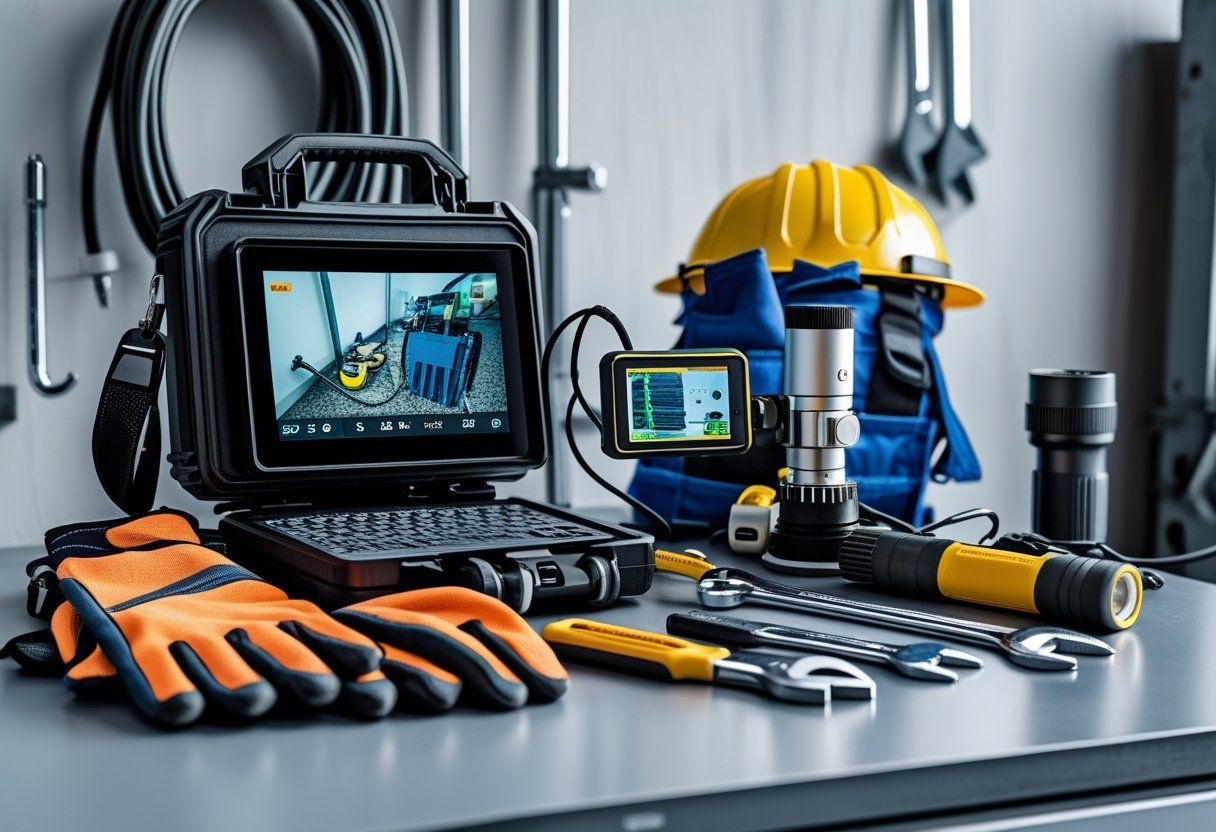
Accurate diagnosis requires visual confirmation inside the sewer line. A camera inspection gives a clear view of blockages and pipe conditions without excavation. We insert a small waterproof camera through a cleanout or drain opening and record video as it travels through the line.

This method helps locate the exact point of intrusion and measure the extent of damage. We can then decide whether pipe lining, root removal, or partial replacement is needed. Camera inspections also verify if previous cleaning cleared the roots successfully.

Hiring a licensed plumber is important because they have the proper equipment and training for safe sewer inspections. Some professionals may use sonar or dye tests when cameras cannot pass through heavy buildup. Regular inspections every few years help us prevent severe root-related failures.

Recognizing High-Risk Trees and Areas

Certain trees pose higher risks to underground plumbing. Species with aggressive root systems; such as willows, poplars, and maples; should be kept at least 20-30 feet from sewer lines. Even smaller decorative trees can cause issues if planted directly above pipe routes.

Roots follow moisture, so leaks or cracks in old clay or cast-iron pipes attract them. Areas with shifting soil, poor drainage, or older piping materials are more likely to experience intrusion. We can reduce risk by using root barriers, replacing damaged sections, and maintaining watertight joints.

Mapping tree locations during yard work helps us monitor problem zones. Regular observation of drainage patterns after storms or heavy water use alerts us to early warning signs before serious sewer backups occur.

Preventative Strategies for Sewer Line Protection

We can reduce sewer line damage by choosing suitable trees, using effective physical barriers, and keeping maintenance schedules on track. These steps work together to control root growth and preserve both trees and infrastructure.

Smart Tree Selection and Placement

Tree choice matters most near underground utilities. We should select slow-growing, less aggressive species such as crabapple, dogwood, or Amur maple, which have smaller root systems. Avoid willows, poplars, and silver maples, since their roots spread widely in search of moisture and can break through small pipe cracks.

Placement also plays a key role. Keep a minimum distance of 10 to 15 feet between trees and sewer laterals. Planting trees in clusters or away from moisture sources reduces their motivation to seek out water from pipes.

A simple reference table can guide planning:

Tree TypeRoot GrowthRecommended Distance from Sewer Lines
DogwoodShallow/Moderate10-15 ft
WillowAggressive30+ ft
Red MapleModerate15-20 ft
CrabappleMinimal10 ft

Proper selection and spacing prevent expensive root removal and pipe replacement later.

Root Barriers and Landscape Management

Root barriers act as physical shields that redirect roots downward or away from sewer lines. We can install vertical plastic or metal panels between trees and pipes at a depth of 24-36 inches. This method limits intrusion without harming the tree.

Landscape management also affects results. It helps to maintain even soil moisture so roots don’t seek extra water from sewers. Mulching with 2-3 inches of organic material stabilizes moisture and supports healthy tree growth away from pipes.

In some cases, root-killing chemicals or foaming root killers are applied inside sewer lines. These treatments stop fine root development before damage worsens. We must follow directions carefully to avoid harming nearby plants or soil ecosystems.

Routine Sewer Line Maintenance and Monitoring

Even with barriers and tree planning, regular inspection protects our system long term. Sewer maintenance teams should use video cameras to check for early signs of root intrusion, cracks, or buildup. Detecting issues early saves money and prevents backups.

We can schedule annual or biennial cleanings depending on soil conditions and nearby vegetation. High-pressure water jetting or controlled root removal keeps lines clear.

Operators may record findings in maintenance logs that include inspection dates, cleaning methods, and root activity levels. Tracking this information helps identify recurring problems and refine our preventative measures. Keeping this routine ensures stronger protection for both trees and sewer infrastructure.

Professional Solutions for Tree Root Management

We rely on a mix of physical, chemical, and structural repair methods to stop tree roots from clogging or damaging sewer lines. Each method targets the problem from a different angle, helping us remove roots, limit regrowth, and strengthen the system for long-term reliability.

Mechanical Removal Methods

We often begin with mechanical removal, which clears existing root blockages. One common approach is mechanical root cutting, where rotating blades attached to flexible cables slice roots within the pipe. This process quickly restores flow without digging.

We also use mechanical augers, or drills, to break thick root masses. In cases where buildup is heavy, hydro jetting works well. It uses high-pressure water to flush roots and debris from the pipe walls.

Each method focuses on clearing roots while minimizing pipe damage. The tools used depend on pipe size, material, and the root density.

  • Rotary cutters cut through roots precisely.
  • Augers grind solid blockages.
  • Hydro jetting cleans residue after cutting.

While these methods remove roots effectively, they do not prevent new growth, so maintenance schedules are essential to keep pipes clear.

Chemical Treatment Options

After mechanical removal, chemical treatments help discourage regrowth. The most common product used is copper sulfate, which restricts root growth by dehydrating small root tips that enter the pipe. It is applied in small doses to avoid harm to trees or surrounding soil.

We may also use foam root inhibitors that coat the inside of the pipe. These agents kill fine roots while forming a protective layer to reduce future penetration. They are safe when applied correctly and provide several months of protection.

To prevent soil contamination, we follow strict dosing guidelines. This includes timing treatments during dry weather and avoiding overuse. When used with physical removal methods, chemical applications extend the system’s maintenance interval and lower the risk of pipe re-clogging.

Modern Sewer Line Repair Techniques

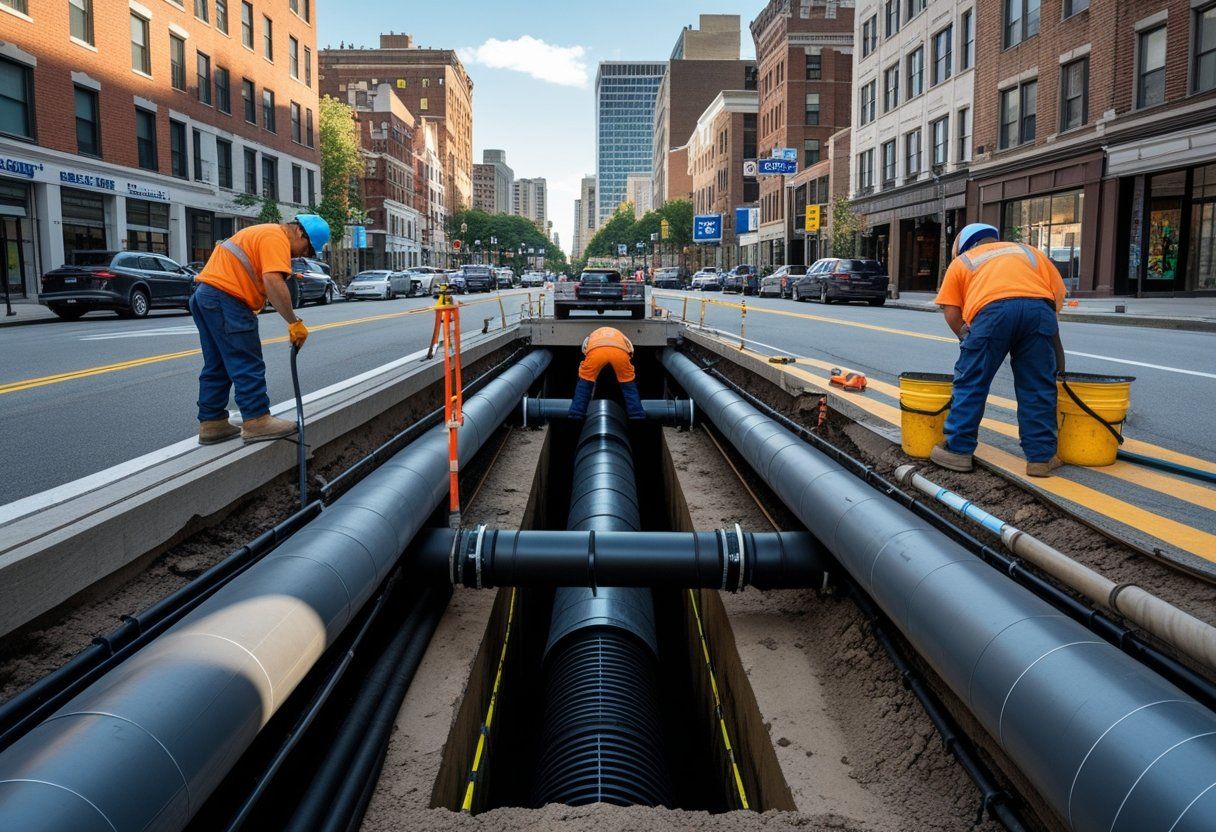
If root intrusion has already damaged the pipe, structural repair becomes necessary. Trenchless sewer repair methods allow us to fix pipes without large excavations, reducing cost and property disruption.

Pipe relining involves inserting a resin-coated liner inside the existing pipe, which hardens into a smooth, root-resistant surface. This reduces leaks and weak points where roots can re-enter. When pipes are severely damaged, pipe bursting may be the better option. It replaces old pipes by breaking them outward while pulling in new high-density polyethylene lines.

MethodPurposeMajor Benefit
Pipe ReliningSeal cracks and block entry pointsMinimizes root intrusion
Pipe BurstingReplace old, damaged pipesImproves flow and durability

Modern repair solutions not only correct existing damage but also provide long-term protection against future root invasion.