You might spot small signs that mean big sewer trouble. We want you to know which warning signs demand a professional inspection so you can act before damage grows. If you notice persistent backups, foul odors, soggy patches in the yard, or slow drains, those are clear signals you should call a pro right away.
We will walk through why those signs matter, what usually causes them, and how experts diagnose the problem with tools like cameras and pressure tests. Knowing this helps you avoid costly repairs and health risks by getting timely, professional help.
Critical Warning Signs That Necessitate Professional Sewer Line Inspections

We watch for clear, specific signs that point to sewer line trouble. When slow drains, foul odors, water backups, strange noises, soggy yard spots, or mold appear, we act quickly to inspect the sewer line.
Persistent Slow Drains Throughout the Home
Persistent slow drains in sinks, tubs, and toilets often mean a main sewer line problem rather than a single fixture. If multiple fixtures drain slowly at once, especially after a flush or while running another appliance, we suspect a partial block or sewer line backup.
We check whether plunging or a small auger helps. When those fixes fail, a sewer line inspection with a camera can find roots, grease, or collapsed pipe sections.
Ignoring persistent slow drains risks sewage backup and increased repair costs. We recommend scheduling a professional inspection if slow draining lasts more than a day or recurs frequently.
Frequent Clogs in Multiple Fixtures
Frequent clogs across different fixtures usually indicate something in the main sewer line, not just a local trap or pipe. Hair, grease, and debris clog local drains, but repeated blockages in toilets, showers, and laundry suggest tree roots, pipe misalignment, or buildup in the sewer line.
We document when and where clogs happen. This pattern helps the technician locate the problem during camera inspection.
If clogs return after snaking or hydro-jetting, a full sewer line inspection and repair plan become necessary to prevent sewage backups and long-term damage.
Foul or Unpleasant Odors Indoors or Outdoors
Foul odors inside or near the home often come from a sewer line leak, broken pipe, or a failing sewer vent. If we smell persistent sewage-like odors in basements, near floor drains, or outside above utility lines, we treat it as a serious sign.
Odors that worsen after rain or when fixtures run point toward sewer line leaks or surcharges. A camera inspection and smoke or dye tests help pinpoint leaks and pipe cracks.
We act quickly because lingering foul odors can signal escaping sewage, which risks health and property damage.
Water Backups and Sewage Overflows
Water backing up into toilets, tubs, or floor drains shows a significant sewer line blockage or collapse. Sewage overflows into the yard or home require immediate action. We advise turning off water sources and calling a professional right away.
A thorough sewer line inspection will identify blockages, collapsed sections, or root intrusions causing backups. Technicians can then recommend cleaning, trenchless repair, or pipe replacement based on the inspection findings. Delaying repair raises contamination risk and cleanup costs, so we treat backups as urgent.
Unusual Gurgling or Bubbling Noises
Gurgling or bubbling sounds from drains or toilets usually mean air trapped in the sewer system due to partial blockages or venting issues. We listen for gurgling when running water or flushing; noises that persist across multiple fixtures point to the main sewer line.
These noises can precede clogs and sewage backups. A sewer line inspection with a camera often shows where flow is restricted or where vents are blocked. We use the inspection results to determine whether cleaning, vent repair, or sewer line replacement is needed.
Unexplained Lush or Soggy Patches in the Yard
Lush green patches or soggy ground over the sewer route often indicate a leaking sewer line underground. Sewage acts as a fertilizer, so grass may grow unusually well or soil may stay wet even in dry weather.
We mark the area and avoid planting or landscaping there until a sewer line inspection locates the leak. Camera and dye tests reveal the leak’s location and severity.
Addressing these leaks promptly prevents contamination, repairs lawn damage, and stops soil erosion.
Mold Growth or Damp Spots Inside the Property
Mold growth, damp walls, or unexplained moisture in basements often tie back to a sewer line leak or sewer line backup. We check for mold near floors, around drains, and along basement walls; sewage leaks provide moisture and nutrients that promote mold.
A sewer line inspection can confirm whether a hidden leak feeds the dampness. If the inspection finds a sewer line leak or backup, professionals can repair the pipe and recommend mold remediation steps.
We prioritize inspection when mold appears alongside odors, slow drains, or yard wet spots to limit health risks and structural damage.
Common Causes of Sewer Line Issues That Demand Expert Assessment
We identify the main causes that lead to serious sewer problems so owners know when to call a pro. Each cause can damage pipes, clog flow, or create hazards that require camera inspections, repairs, or full replacement.
Tree Root Intrusion and Root Blockages
Tree roots seek moisture and enter small hairline cracks or joints in sewer pipes. Once inside, roots grow and form dense mats that trap waste and narrow the pipe opening. This leads to slow drains, gurgling toilets, and odors near cleanouts.
Professionals use camera inspections to locate the exact intrusion point and measure root mass. Small root intrusions may be solved with cutting and chemical root treatments, but recurring or deep invasions often require pipe lining or replacement. We advise removing or relocating problematic trees if roots repeatedly damage the sewer.
Grease Buildup and Debris Blockages
Grease from kitchens solidifies inside pipes and catches debris like hair, wipes, and paper products. Over time the coating narrows the pipe and causes partial or full blockages. Symptoms include recurring backups, slow drainage in multiple fixtures, and foul smells.
Technicians perform hydro-jetting or mechanical snaking to remove grease and debris. They also inspect for weakened pipe walls under the grease, since trapped buildup can hide corrosion or small collapses. We recommend regular maintenance and avoiding pouring fat, oil, and grease down drains.
Aging or Corroded Sewer Pipes
Materials like clay, cast iron, and older plastics degrade over decades. Corrosion, pitting, and hairline cracks form as pipes age, leading to leaks, root access, and eventual collapse. Signs include persistent localized wet spots, unexplained sinkholes, and sudden increases in repair frequency.
A camera inspection shows corrosion patterns, joint separation, and offset sections. Small cracks may be fixed with cured-in-place lining; extensive corrosion or collapsed pipes usually need replacement. We plan repairs based on pipe material, age, and the extent of damage to prevent repeated failures.
Shifting Soil, Foundation Cracks, and Sinkholes
Soil movement from erosion, heavy rain, or nearby construction shifts buried sewer lines and stresses joints. Foundation cracks transmit settling forces to connected sewer laterals. In severe cases, soil loss around pipes causes partial collapse or sinkholes above the line.
We look for signs like misaligned cleanouts, sewer backups after rain, and visible ground depressions. Solutions include spot repairs, re-bedding the pipe in stable fill, or full re-route of the line away from unstable soil. Prompt expert assessment prevents larger collapses and protects the foundation.
How Professional Plumbers Diagnose and Inspect Sewer Line Problems
We use targeted tools and tests to find blockages, cracks, and leaks. Each method gives precise info so we can recommend the right repair, from trenchless fixes to full replacement.
Sewer Camera and Video Scope Inspections
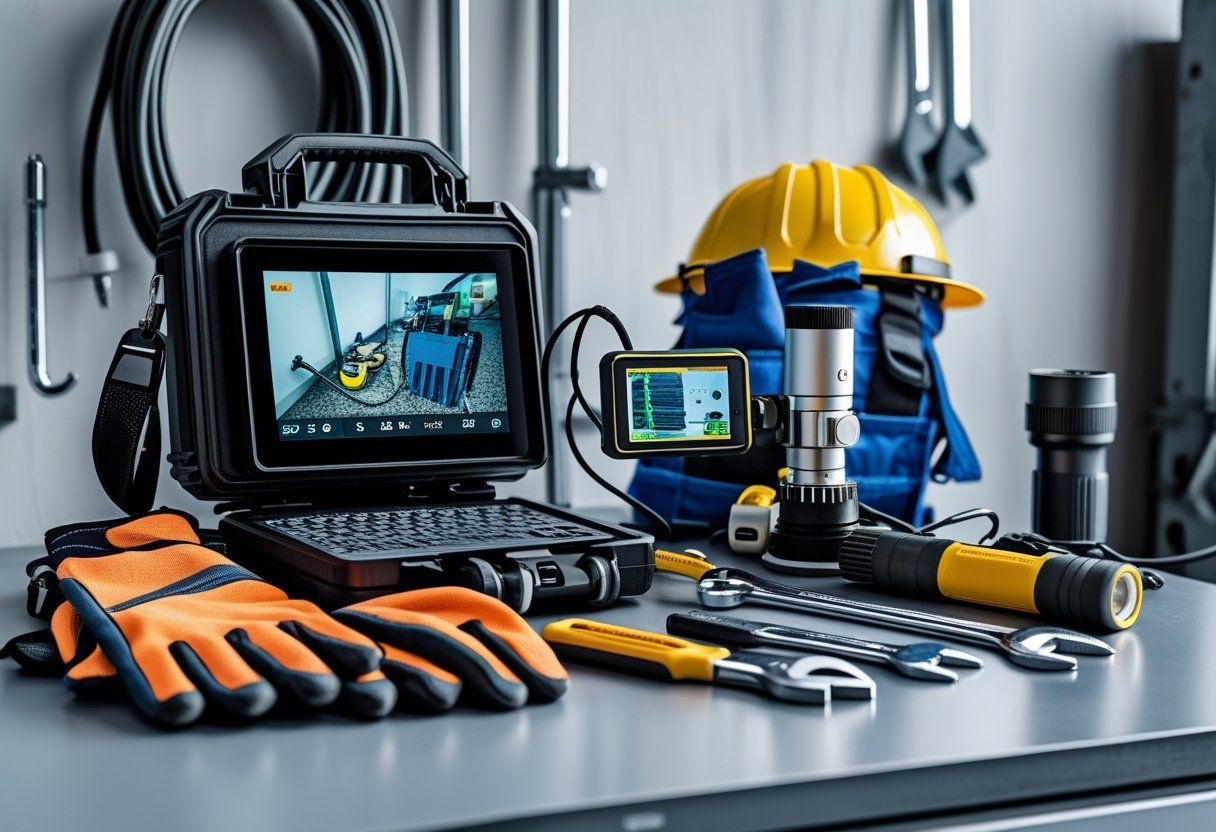
We run a sewer camera or video inspection camera through the pipe to see the exact problem. The camera records real-time video so we can spot root intrusions, pipe collapse, offset joints, and grease buildup without digging.
Technicians attach locating transmitters to the camera head to map depth and run length. We log footage and take stills for our report and to show homeowners where the issue lies and how severe it is.
A sewer scope inspection works on main lines and lateral lines up to several hundred feet. We use LED lights and high-resolution lenses to inspect clay, PVC, cast iron, and modern trenchless-repaired sections.
Hydro-Jetting and Advanced Cleaning Techniques
We use hydro-jetting to blast water at 3,000–4,000 psi to remove roots, grease, and mineral scale. The high-pressure stream clears blockages and scrapes pipe walls without using chemicals, which reduces recurring clogs.
Technicians pair hydro-jetting with a camera inspection before and after. This confirms cleaning success and prevents damage from repeated mechanical snaking that can cut into old pipes.
For fragile or collapsed pipes we select gentler options like root cutters or rotary drain cleaning, and we document the pipe condition to decide if trenchless repair or replacement is necessary.
Dye Testing and Smoke Tests for Leak Detection
We perform dye testing to trace leaks from plumbing fixtures to the sewer line. Colored dye or non-toxic fluorescent tracer goes into drains while we watch downstream via camera or surface indicators.
Smoke testing helps find hidden cross-connections and cracks in sewer lines. We force non-toxic smoke into the sewer, then walk the property to see where smoke exits through cracks, roof vents, or faulty cleanouts.
Both tests pinpoint entry or exit points that camera inspections might miss, especially for small lateral leaks, illegal downspout ties, or gaps under foundations.
Non-Invasive Locating with Acoustic Sensors and Sonar
We use acoustic sensors to listen for flowing water and air leaks inside buried pipes. The sensors detect sound patterns from breaks, allowing us to estimate location and distance without excavation.
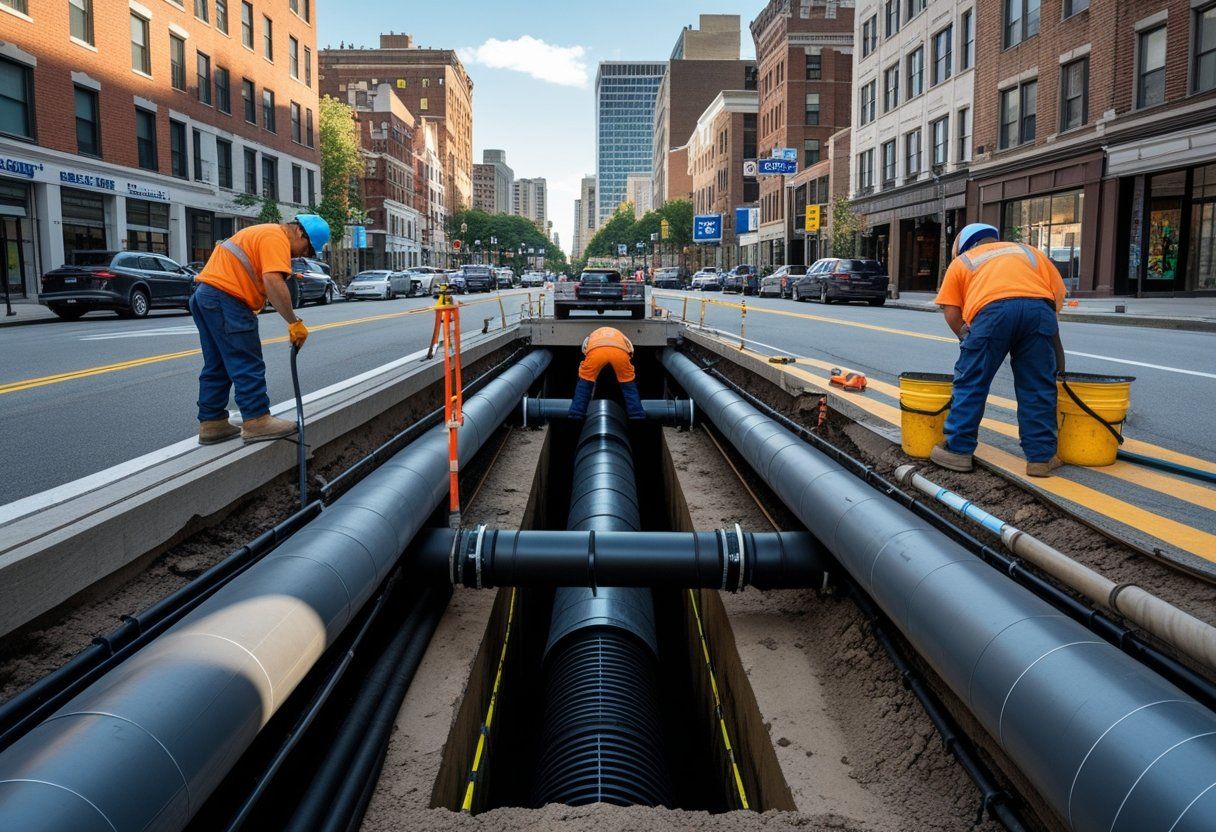
For submerged or complex layouts, we deploy sonar or electromagnetic locators tied to the camera transmitter. These tools map pipe depth and route under driveways, yards, and structures so we can plan a trenchless repair or a minimal excavation.
We combine sensor data with video inspection to create an accurate repair plan. This reduces guesswork, lowers cost, and helps us choose between trenchless methods and targeted digging.
The Risks of Neglecting Sewer Line Warning Signs and the Benefits of Timely Inspections
We explain how ignored warning signs lead to health risks, costly structural damage, and more expensive repairs. Timely sewer inspections and routine maintenance reduce hazards, limit structural loss, and help plan repairs or pipe replacement.
Potential Health Hazards and Property Damage
Sewage backups and slow drainage expose occupants to bacteria, viruses, and parasites. When raw sewage reaches floors or basements it contaminates surfaces and carpets, increasing infection risk and requiring professional cleanup by licensed crews.
Mold grows quickly after sewage or chronic leaks. Mold spores worsen allergies and asthma and can spread inside walls and insulation. We recommend a professional sewer inspection when odors, persistent toilet gurgling, or repeated backups appear.
Professional plumbers use cameras to spot root intrusions, cracks, and collapsed mains. Finding problems early prevents raw sewage from entering living areas. Companies like Benjamin Franklin Plumbing and other licensed pros follow safety standards to contain contamination and reduce health hazards from sewage.
Costly Structural Issues from Delayed Repairs
A small leak in the main sewer line can erode soil under foundations. Over months or years, this leads to foundation settling, wall cracks, and uneven floors. Replacing foundation elements costs far more than fixing a sewer line.
Corroded or broken pipes let sewage leach into crawl spaces and basements, damaging framing and subflooring. Water damage also destroys insulation and drywall, requiring mold remediation and structural repair. Pipe replacement is often needed if we wait too long.
Timely sewer line repair reduces the area affected and limits demolition. A professional sewer inspection helps us choose trenchless repair or targeted replacement, which lowers cost and preserves landscaping.
Importance of Preventative Maintenance and Regular Assessments
Regular sewer inspections detect early signs: slow drains, recurring clogs, bad odors, or lawn sinkholes. Scheduling camera inspections every 2–5 years for older homes or after tree planting helps us avoid emergency repairs.
Preventative maintenance includes root cutting, grease removal, and pipe lining when appropriate. These actions extend pipe life and delay full pipe replacement. Working with licensed professionals ensures repairs meet codes and uses proper materials.
A maintenance plan saves money by planning repairs on our schedule. Professional plumbers provide inspection reports and repair options, letting us compare costs for trenchless sewer repair versus full replacement. This keeps our property safe and our expenses predictable.