Tree roots can silently damage sewer lines, leading to costly problems beneath the surface. As roots search for water and nutrients, they can enter small cracks and joints in pipes, slowly expanding and blocking the flow. Tree roots can weaken and break sewer lines, causing backups, leaks, and expensive repairs if not addressed early.

We often overlook what happens underground, but understanding this process helps us protect our homes. Noticing warning signs early and taking preventive action can save time, money, and stress. By learning how roots impact sewer line health and how to manage them, we can keep our plumbing systems in good condition for years to come.
How Tree Roots Impact Sewer Line Health

Tree roots can invade sewer lines, break into pipe joints, and block water flow. They can also weaken old pipes and cause long-term sewer line damage that often goes unnoticed until major issues appear.
The Process of Root Intrusion
Roots naturally seek water and nutrients. When pipes develop small cracks or loose joints, moisture leaks into the soil and attracts nearby tree roots. The roots press against the pipe and find small openings to grow inside.
Once they enter the sewer line, the roots expand and create a dense mass that traps waste and debris. Over time, this root intrusion can clog the pipe and limit drainage. The process often starts slowly, making it difficult to detect early.
We often find root growth more severe during dry seasons when trees work harder to reach water. Regular inspection with a sewer camera helps us identify root activity before the damage becomes severe.
Effects on Plumbing System Functionality
Tree root damage reduces how well the plumbing system works. Partial blockages cause slow drains, gurgling noises, and foul odors from sewer gases. When the blockage worsens, sewage may back up into sinks, toilets, or bathtubs.
Roots can also break pipe joints apart, allowing wastewater to leak into the surrounding soil. This leakage lowers pipe pressure and increases soil erosion. In some cases, the added stress causes the sewer pipe to collapse.
Common symptoms of sewer line damage include:
- Wet patches or sinkholes in the yard.
- Unexplained increases in water bills.
- Frequent need for drain cleaning or snaking.
Addressing these signs promptly prevents costly repairs and wider plumbing issues.
Pipe Structures Most at Risk
Not all sewer pipes face the same risk from tree roots. Clay and cast iron pipes often have more joints and cracks, which make them vulnerable to tree root intrusion. Older pipes with worn-out seals also give roots easier access.
PVC and newer plastic pipes resist intrusion better because their joints are tightly fitted. However, even these materials can still suffer if nearby tree roots grow aggressively or if installation was poorly done.
Comparison of Pipe Vulnerability:
| Pipe Material | Root Risk Level | Common Weak Points |
|---|---|---|
| Clay | High | Loose joints, cracks |
| Cast Iron | Moderate to High | Corrosion, old seals |
| PVC/Plastic | Low | Improper installation |
Knowing which pipe types are most at risk helps us choose proper maintenance and repair methods.
Common Warning Signs of Tree Root Intrusion

Tree roots can damage sewer lines long before major plumbing problems appear. We can often spot early clues such as slow drainage, odd noises, or evidence of sewage backup around the yard. Recognizing these warning signs early helps us reduce costly repairs and prevent further pipe damage.
Slow Drains and Frequent Clogs
When tree roots invade sewer lines, they restrict the flow of wastewater. We may notice slow draining from sinks, tubs, and showers. Water might linger longer than usual before going down, especially after multiple fixtures run at once.
Frequent clogs often follow slow drainage. Even after using standard cleaning methods or a plunger, the same drains can clog again within days or weeks. This is because roots grow back into the pipe, continually catching debris like grease and toilet paper.
If we track the pattern of clogs across different fixtures, we can often tell whether it’s a small blockage or a sign of tree roots in sewer lines. When several drains slow down at once, the issue likely lies in the main sewer line.
Quick check:
| Symptom | Likely Cause |
|---|---|
| One drain slow | Local blockage |
| Multiple drains slow | Root intrusion in main line |
Gurgling Sounds and Unpleasant Odors
When air gets trapped by growing roots inside pipes, we may hear gurgling sounds from drains or gurgling toilets after flushing. These noises come from air bubbles escaping through limited pipe openings.
Along with the sounds, unpleasant odors can develop. Roots trap waste materials that decay and release gases. We might smell foul odors near floor drains, sinks, or even outside near the sewer line.
If we notice both noises and odors happening together, it’s often a sign of partial blockage. Cleaning the line may only help temporarily if roots remain inside. Persistent smells can also point to small leaks caused by root pressure cracking the pipe’s surface.
Tip: We should not ignore odors near plumbing vents or outside cleanouts because they often indicate hidden root intrusion.
Sewage Backups and Yard Symptoms
Sewage backups are one of the clearest signs of serious root damage. Wastewater can flow backward through toilets or floor drains, especially after heavy water use. A sewer backup in the basement or bathroom often signals roots blocking the main sewer line.
We might also see outdoor symptoms. Soft, soggy spots or small sinkholes in the yard can form above damaged pipes where sewage leaks into the soil. Patches of unusually green or fast-growing grass can appear where nutrients from leaking sewage feed the roots.
If both indoor plumbing issues and outdoor symptoms occur, we should call a licensed plumber immediately. They can inspect the line with a camera to confirm the extent of tree root intrusion and prevent further soil and pipe damage.
Addressing and Repairing Tree Root Damage
We need to identify root intrusion early, remove it safely, and choose the right repair method for damaged pipes. Accurate diagnostics, skilled root removal, and timely pipe repair prevent further blockages, leaks, and costly structural damage.
Diagnostic Techniques and Inspections
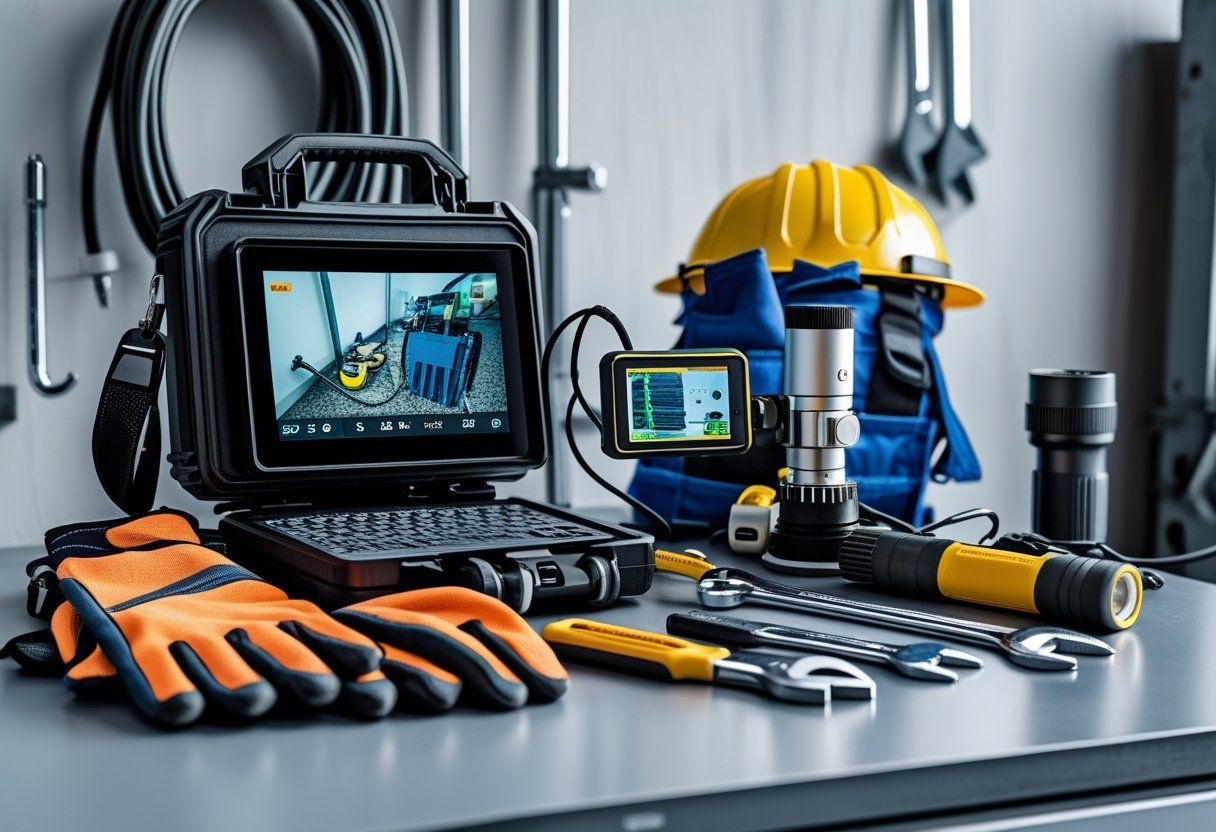
We start with a sewer camera inspection to locate intrusion points inside the pipeline. A small waterproof camera feeds live video through the sewer line, allowing us to see cracks, blockages, and other pipe damage without digging. This approach helps us determine whether roots are entering through small joints or larger fractures.
During inspections, we note pipe materials, slope, and condition. Older clay or cast iron pipes are more prone to cracks than newer PVC lines. Identifying pipe type helps us plan repair work more accurately.
Sometimes we use smoke testing or dye testing to confirm leaks around joints or connections. These tests detect airflow or color movement that points to a fault. Together, these tools help us decide whether to proceed with simple cleaning or a full sewer line repair.
Professional Root Removal Methods
Once we know where roots have entered, we remove them using the safest and most effective method. Mechanical augers or root cutting machines grind through roots while clearing the pipe’s interior. This technique provides immediate flow improvement but does not fix cracks that allowed intrusion in the first place.
We may perform hydro jetting, which uses high-pressure water to cut and wash out roots, grease, and debris. Hydro jetting is more thorough than mechanical cutting but requires solid pipes to prevent further breakage.
Some root removal services use approved foaming or chemical drain cleaners that slow regrowth by treating the interior of pipes. We use these only after mechanical clearance to prevent pipe corrosion. After cleaning, a new camera inspection confirms that the line is fully open before moving to repair work.
Trenchless and Traditional Repair Options
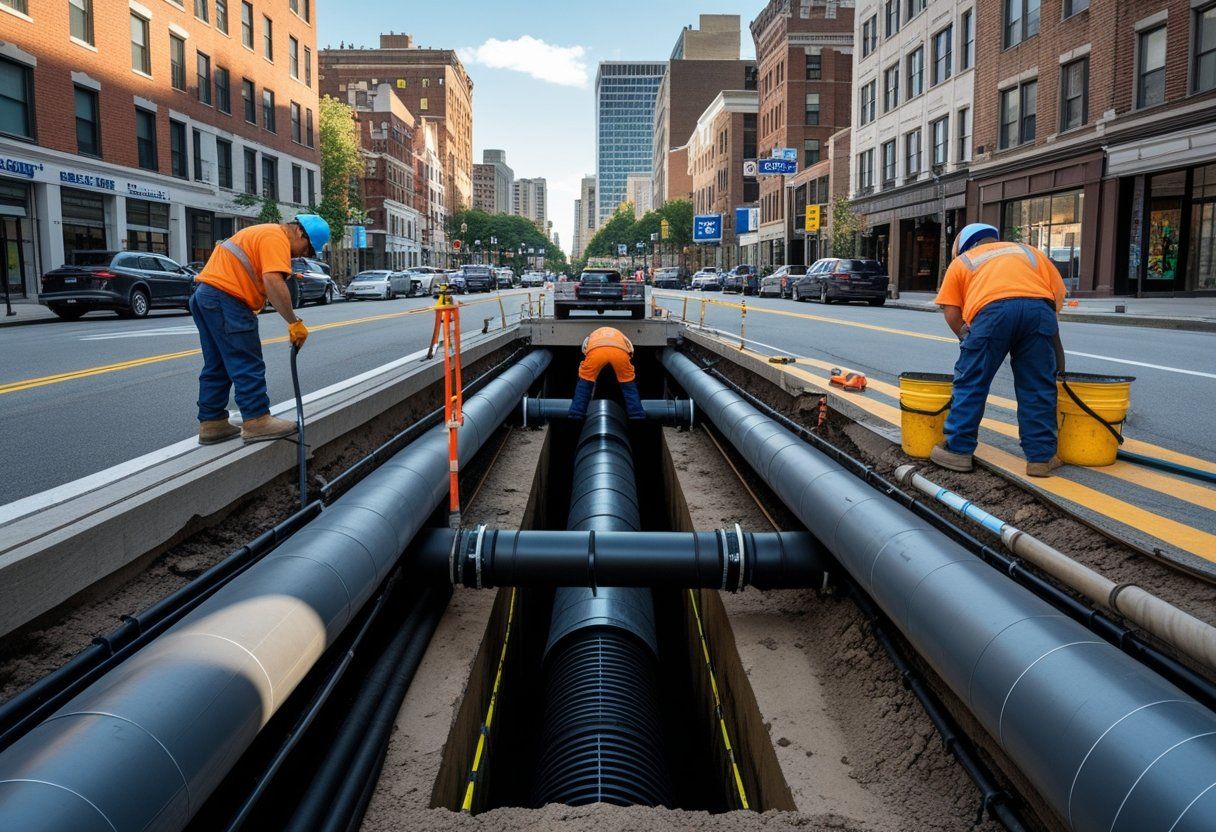
If damage extends beyond simple cleaning, we consider repair or replacement. Trenchless sewer repair allows us to fix underground pipes with minimal digging. Two main options are pipe lining and pipe bursting.
- Pipe lining inserts a resin-coated liner into the old pipe, which hardens to form a new interior wall.
- Pipe bursting pulls a new pipe through while breaking the old one apart.
When trenchless methods are not possible due to collapsed or severely misaligned sections, traditional excavation and sewer line replacement may be required. Though more disruptive, it ensures full restoration of the system. We select the method that provides lasting structure and restored flow capacity.
Consequences of Delayed Repairs
Ignoring root damage can lead to progressive pipe failure. As roots grow, they widen cracks and cause leaks that erode surrounding soil. Over time, the pipe can collapse or separate entirely.
Persistent blockages from root regrowth reduce flow efficiency and lead to repeated clogs. Delayed repairs often lead to sewage backups inside the property, structural foundation issues, and higher sewer line repair costs later.
Early detection and timely root removal keep systems functional and prevent the need for major excavation. Regular sewer line cleaning and inspection plans save us time, protect our investment, and keep wastewater systems working smoothly for years.
Prevention and Long-Term Maintenance
We can prevent most sewer line damage by planning before planting, using reliable barriers, and scheduling regular inspections. These steps protect pipes, keep roots under control, and reduce expensive repairs in the future.
Choosing and Placing Trees Wisely
We reduce risks to our sewer lines when we choose the right tree species and plant with distance in mind. Some trees, such as maples, elms, and birch, have aggressive roots that seek moisture. They can spread well beyond their canopy and find small pipe leaks. Planting them at least 15-20 feet away from sewer lines helps lower that risk.
We can select sewer-safe trees with slower root growth, such as dogwoods, crabapples, or hawthorns. These species have smaller root systems that stay mostly shallow. Planning their placement reduces soil erosion and limits potential pipe intrusion.
A simple planting table helps guide our decisions:
| Tree Type | Root Behavior | Recommended Distance from Sewer Line |
|---|---|---|
| Birch, Maple, Elm | Aggressive and moisture-seeking | 20+ feet |
| Dogwood, Crabapple, Hawthorn | Compact and slow-growing | 10-15 feet |
Planting carefully supports both healthy trees and safe pipes.
Root Barrier and Preventive Solutions
Installing root barriers along sewer lines adds an extra layer of defense. These barriers redirect growing roots downward or away from pipes. We can use physical barriers made of plastic or metal, or chemical barriers with safe, slow-release herbicides.
Root barriers work best when placed vertically in the soil between a tree and the sewer line. This forms a controlled growth zone that keeps roots from wrapping around or entering joints.
For added prevention, we can apply chemical root killers such as copper sulfate in our drains once or twice a year. Using them properly limits regrowth without harming the environment. These preventive steps protect pipes while keeping nearby plants healthy.
Routine Sewer Line Inspections and Maintenance
Regular sewer line inspections are essential to catch early signs of blockage or damage. We should schedule camera inspections every 1-2 years. This allows us to see root invasion and buildup before it becomes severe.
Routine preventive maintenance keeps lines flowing properly. Professional cleaning or jetting removes debris and fine roots safely.
We can also keep a simple inspection checklist:
- Check drains for slow flow
- Note gurgling sounds or foul smells
- Inspect cleanouts for standing water
By paying attention to these small warning signs, we limit costly excavations later. Consistent inspection and maintenance extend the life of our sewer lines and help prevent tree root damage long-term.