A well-kept home goes beyond clean floors and a fresh coat of paint. Hidden beneath our yards, sewer lines play a major role in how a property holds its value. Regular sewer line care helps protect property value by preventing costly damage that can lower a home’s worth and appeal.
When we maintain our sewer systems, we do more than avoid leaks or clogs-we strengthen the long-term value of our investment. Potential buyers want a home that offers reliability, not unexpected repair bills.
We’ll look at why routine sewer maintenance matters, what risks come with neglect, and how proper care can preserve and even enhance property value. Simple upkeep steps today can make a big difference when it’s time to sell.
Why Regular Sewer Line Care Matters for Property Value
Regular sewer line care protects both a home’s function and its market position. It helps us prevent costly repairs, sustain structural integrity, and keep homebuyers confident in the property’s condition.
The Direct Link Between Sewer Health and Home Worth
A property with a clean, well-maintained sewer line shows consistent upkeep. This signals reliability and care to potential buyers. If pipes stay clear of blockages and leaks, the surrounding soil and foundation remain stable, protecting structural safety and long-term value.
When we maintain sewer lines through regular inspections or cleaning, we reduce the risk of major repair costs later. For example, a small root intrusion fixed early might cost only a few hundred dollars, while a full sewer line replacement could run into thousands.
Appraisers and real estate agents often consider plumbing health when assessing property value. Documented maintenance can become a selling point that helps justify a stronger asking price. Many buyers appreciate proof that we have handled unseen systems with the same care given to visible features like paint or flooring.
How Plumbing Issues Signal Risk to Buyers
When buyers see evidence of sewer or plumbing problems, they view it as a warning sign. Backups, slow drains, or visible water damage suggest deeper system issues. Even minor plumbing problems during a home inspection can reduce trust and discourage offers.
Buyers may assume unresolved sewer issues will lead to unexpected expenses. Their offers often reflect those assumptions, lowering the property’s market value. We also risk longer listing times when prospective buyers hesitate over known maintenance concerns.
Maintaining the sewer line shows responsible ownership. It reassures buyers that the property will function properly after purchase. Good records of professional inspections, repairs, or cleanings can support this confidence and lead to faster, more reliable negotiations.
Impact on Marketability and Selling Price
Properties that show consistent maintenance; including sewer line care; to attract more buyer interest. A well-kept home signals fewer hidden problems and better long-term savings. In competitive housing markets, this can make a noticeable difference in both listing attention and final sale price.
Homebuyers often prioritize homes that feel “move-in ready.” Sewer line issues create uncertainty and can delay sales due to repair negotiations or required system replacements. By investing in upkeep, we reduce those obstacles.
| Maintenance Benefit | Effect on Property Value |
|---|---|
| Prevention of leaks and backups | Avoids damage to structure and yard |
| Documented service history | Builds buyer confidence |
| Reduced repair risks | Lowers negotiation pressure |
| Stronger inspection results | Supports higher market appraisal |
These efforts help maintain not only the physical system but also the financial stability of our property investment.
Key Risks of Neglecting Sewer Maintenance
When we ignore sewer line care, plumbing systems become prone to costly and damaging problems. These issues can lead to foul odors, health risks, and even long-term structural concerns that affect property value and safety.
Common Plumbing Problems from Poor Maintenance
Regular maintenance helps us detect small plumbing issues before they get worse. When we neglect inspections, minor clogs can turn into major sewer blockages. Slow drains, leaking joints, and corrosion around pipe connections often go unnoticed until water starts pooling or backing up.
Common warning signs include gurgling drains, wet spots on lawns, or water stains on walls and floors. These small clues signal underlying issues that can be expensive to fix later. If left unchecked, these problems may cause sewage backups that damage flooring and lower property hygiene.
The table below shows how poor upkeep leads to common plumbing outcomes:
| Poor Maintenance Issue | Resulting Problem |
|---|---|
| Ignored drain clogs | Slow or blocked drains |
| Undetected leaks | Water damage, mold growth |
| Pipe corrosion | Reduced flow, leaks |
Blockages, Backups, and Unpleasant Odors
Blockages restrict waste flow and pressure builds in the sewer system. This buildup often forces wastewater back into sinks, tubs, or toilets. A sewer backup can happen suddenly and contaminate our living space, requiring professional cleanup.
Backups also create unpleasant odors that linger in the home. These smells indicate trapped waste gases and bacterial growth. They can spread through vents and drains, especially when organic matter decays in blocked lines.
Simple neglect, like not clearing grease or flushing debris, can start this chain reaction. Over time, the buildup creates stubborn blockages that need more than a plunger to fix. Preventive cleaning and monitoring protect both the plumbing and indoor air quality.
Health and Environmental Hazards
When sewer systems fail, bacteria and harmful microorganisms can enter living areas. Contaminated water introduces health risks such as skin irritation, infections, or respiratory issues when mold develops. We also face possible cross-contamination between drinking water lines and wastewater.
Mold growth becomes another major concern after leaks or overflow. Moist surfaces allow it to spread quickly, especially in hidden spots like basements or crawl spaces. Mold not only damages materials but also worsens air quality.
Spilled sewage also damages soil and water around the property. It can introduce bacteria and other pollutants into the environment, making sewage maintenance a key part of responsible property care.
Structural and Foundation Damage
Ignored sewer problems don’t just affect pipes-they threaten the entire structure. When leaks go unnoticed, soil around the foundation weakens. This softening allows the ground to shift and increases the risk of foundation damage or cracks in walls and floors.
Continuous leakage can also lead to water damage in nearby concrete and wood. Once moisture seeps into these materials, structural damage can spread through beams and framing. Over time, this weakens support systems and lowers the property’s value.
We can prevent this by managing drainage flow and checking for pipe leaks regularly. Early detection keeps hidden water from causing extensive repairs that affect both safety and cost.
How Regular Sewer Line Care Preserves and Enhances Home Value
Consistent sewer line care protects our property from hidden damage, unexpected repair costs, and sanitation issues. It also helps us maintain a well-documented maintenance history that can strengthen our property’s position in the real estate market.
Preventing Costly Repairs and Emergency Situations
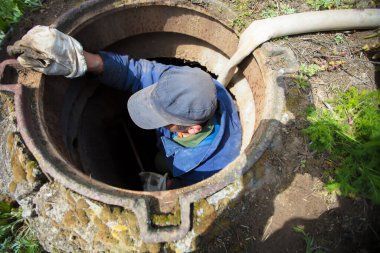
Keeping up with regular maintenance prevents small clogs or cracks from turning into expensive repairs. When we perform camera inspections and cleaning at set intervals, we catch early signs of wear that might lead to leaks, blockages, or pipe collapses. Fixing these early costs far less and keeps our home’s plumbing working smoothly.
Emergency repairs often happen at the worst times and can require digging up landscaping or driveways. That damages curb appeal and may lower market value. By investing in preventive maintenance, we lower our risk of those urgent problems.
Typical maintenance steps include:
- Annual or biannual camera inspections
- Hydro jet cleaning to remove buildup
- Inspection of tree root intrusion
- Prompt repair of minor cracks or weak joints
These steps maintain system reliability and protect our property from sudden failures that could damage both the plumbing and surrounding structures.
Boosting Curb Appeal and Buyer Confidence
A well-maintained sewer line adds to overall curb appeal because it prevents unpleasant smells, soggy patches, and drainage problems that can turn buyers away. No one wants to tour a home with visible signs of sewage issues. A system that runs clean and quiet builds buyer confidence and supports a stable property value.
When we plan to sell, recent documentation of regular maintenance proves responsible ownership. Buyers view such care as a sign the home has been properly managed. It often helps our property stand out from those with uncertain maintenance history.
Small efforts, such as keeping exterior access points clean and scheduling routine service, demonstrate attention to detail. That can translate to higher offers and a smoother selling process.
Documentation and Inspection for the Real Estate Market
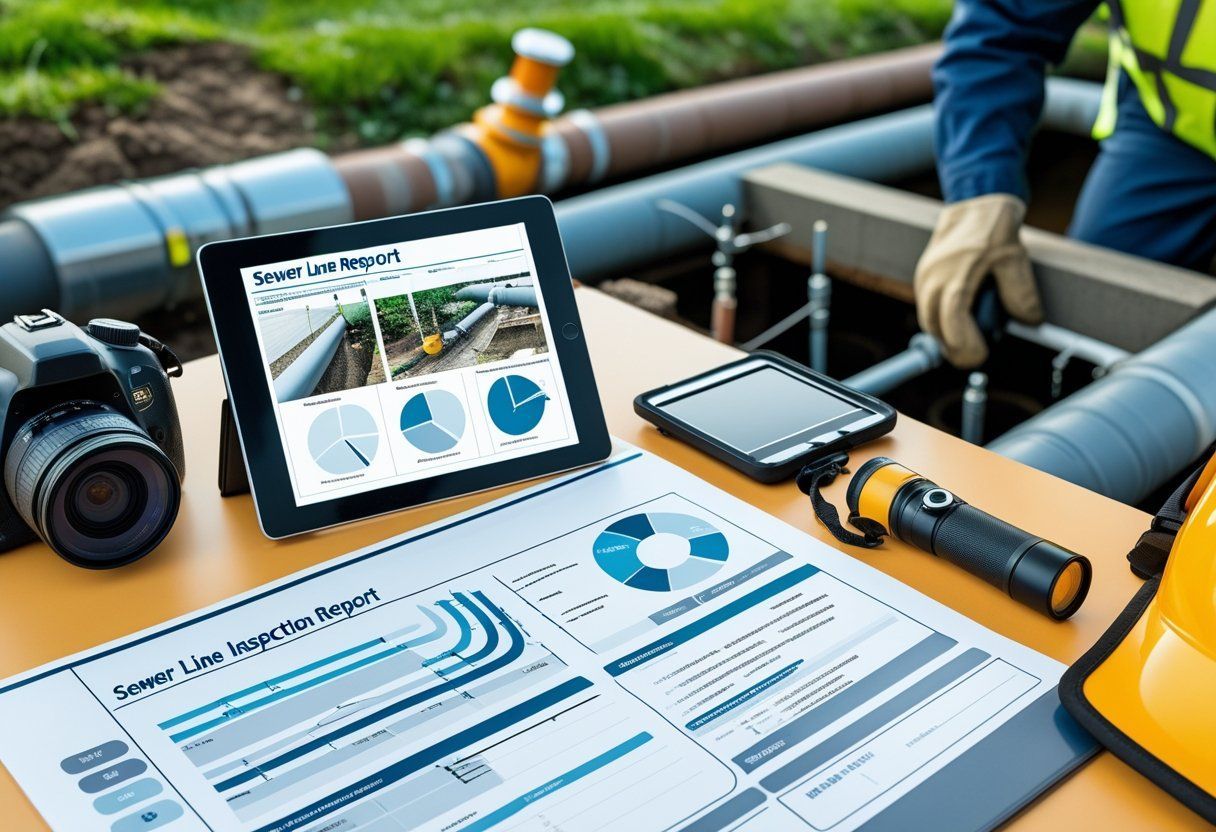
Accurate maintenance records and camera inspection reports show real estate agents and buyers that our sewer system is in good working order. This transparency adds measurable trust during price negotiations.
We can keep a simple maintenance log table like this:
| Date | Service Type | Findings | Action Taken |
|---|---|---|---|
| Jan 2025 | Camera Inspection | Minor buildup | Scheduled cleaning |
| Jul 2025 | Hydro Jet Cleaning | Clear lines | No further action |
These details make it easier for inspectors and buyers to assess the system without guessing. When all parts of a home, including the sewer line, have documented care, the property often appraises higher and sells faster. It reflects consistent ownership practices that protect the investment and assure long-term performance.
Best Practices for Sewer Maintenance and Long-Term Property Protection
A well-maintained sewer system prevents costly sewer line repairs, helps avoid property damage, and keeps plumbing systems functioning safely. Regular care, modern inspection methods, and compliance with local regulations all reduce future repair costs and protect property value.
Routine Inspections and Maintenance Services
We should schedule routine sewer line cleaning and inspections at least once every one to two years. Regular checks help identify leaks, build-up, and early signs of corrosion before they turn into sewer repair emergencies.
Professional drain and sewer services use equipment that removes grease, debris, and small blockages safely. Simple habits; like avoiding grease disposal down drains and using strainers to catch solids; reduce wear on pipes and the septic system.
If our property has a septic tank, it also requires pumping and inspection on schedule. Ignoring these steps can lead to slow drainage, odors, or damage to the sewage system that carries high repair costs later.
| Recommended Maintenance | Frequency | Purpose |
|---|---|---|
| Sewer line cleaning | 1-2 years | Prevents buildup and clogs |
| Septic tank pumping | 3-5 years | Maintains septic system capacity |
| Visual inspection | Annually | Detects leaks or root intrusion early |
Modern Techniques: Trenchless and Camera Inspections
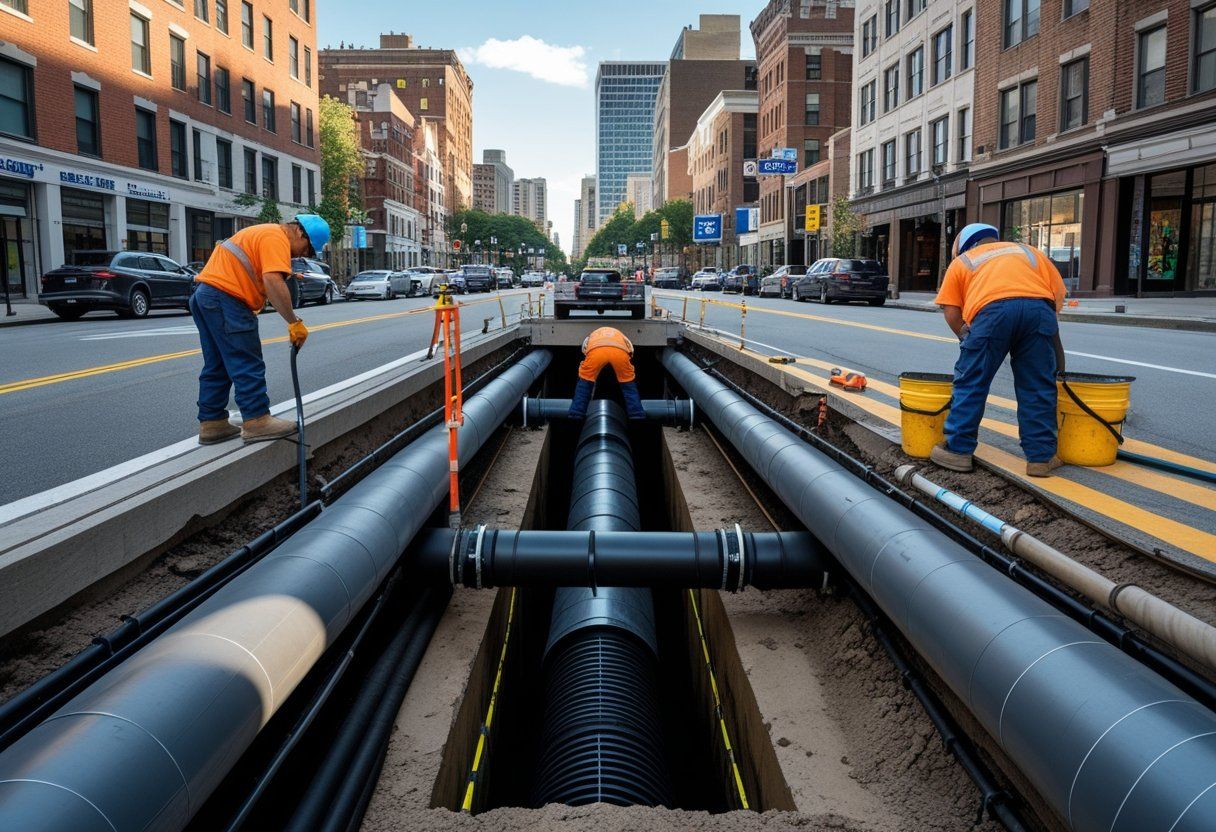
Trenchless sewer repair and camera inspections have changed how we maintain underground lines. Instead of large-scale digging, trenchless technology uses small access points, reducing yard disruption and lowering costs compared to traditional sewer line repairs.
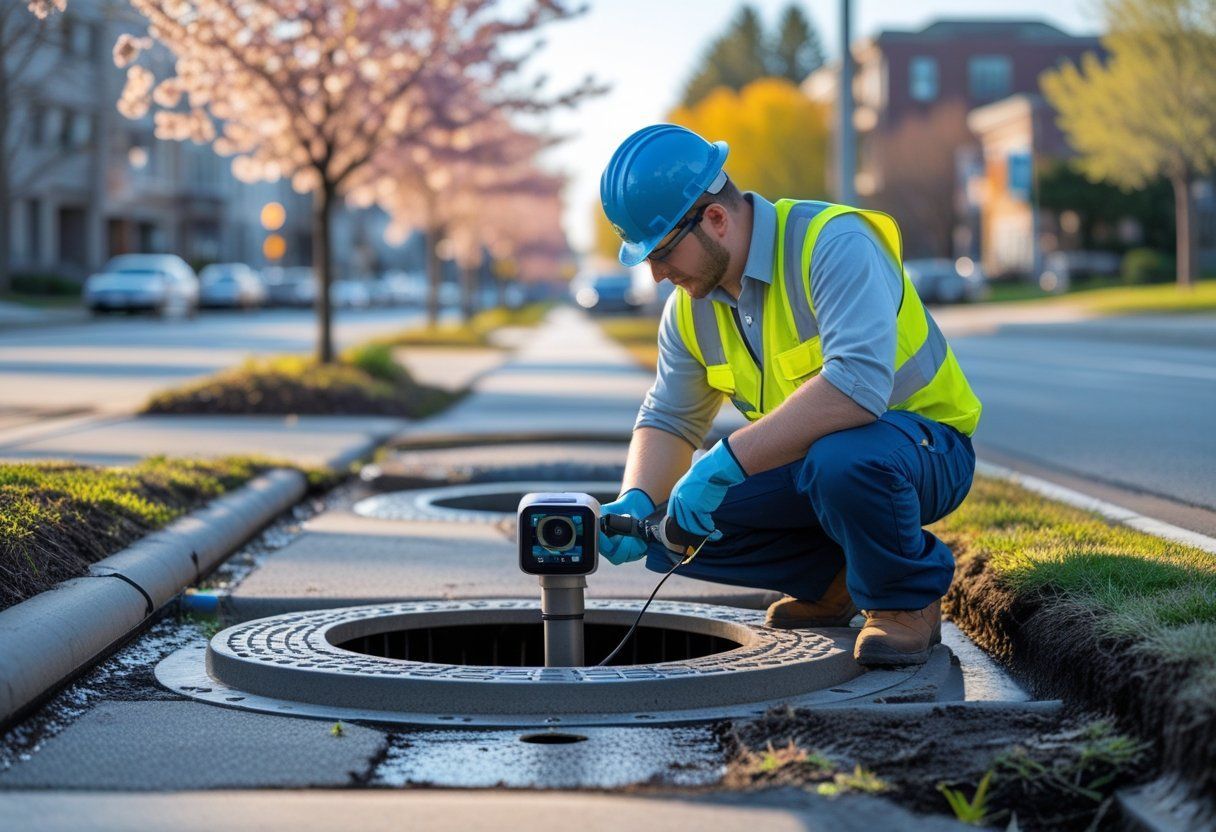
A camera inspection gives a detailed view inside the pipes. It helps us locate structural cracks, pipe sags, or partial blockages in the drainage system without guessing.
Technicians often use trenchless methods like pipe lining or pipe bursting. Pipe lining adds a durable layer inside existing pipes, while pipe bursting replaces damaged lines by pulling a new one through a small entry point. These services extend pipe life and protect the property’s landscape.
Managing Tree Roots and Blockage Prevention
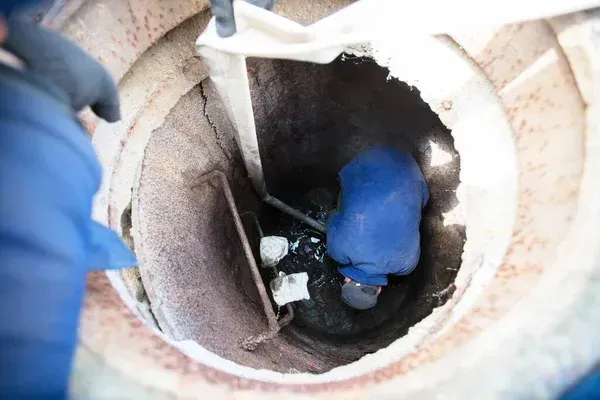
Root intrusion is one of the most common causes of sewer line damage. Tree roots seek moisture and can enter small cracks in the sewer system, eventually creating blockages.
We should plant trees and shrubs at least 10-15 feet away from sewer lines. In older neighborhoods, mapping where lines run before planting can help avoid future problems.
Routine camera inspections also detect early root presence. If intrusion occurs, professionals can use root-cutting machines or apply safe root inhibitors to clear pipes. Avoid chemical drain cleaners, as they may damage plumbing systems. Keeping gutters and surface drainage clear also prevents excess water pressure on the sewer line.
Understanding Local Codes and the Role of Professional Services
Local regulations determine how we handle sewer maintenance, septic system care, and sewer repair work. Many areas require licensed professionals for sewer line repairs to ensure compliance with environmental and safety standards.
We need to know our town’s sewer and plumbing codes, including rules for connecting private sewer systems to public mains. Hiring qualified drain and sewer service companies ensures that all permits and inspections are properly completed.
Professional maintenance not only protects our property value but also prevents fines or delays in future real estate transactions. Staying informed about regional standards keeps our entire sewage system efficient and reliable for years.