Strange Odors: A Sign Your Sewer Line Needs Attention And How To Address It

Strange smells drifting through a home can make anyone uneasy. They often signal something more serious than a simple plumbing issue. A strong, unpleasant odor indoors can mean the sewer line needs attention before a small problem becomes a costly repair.

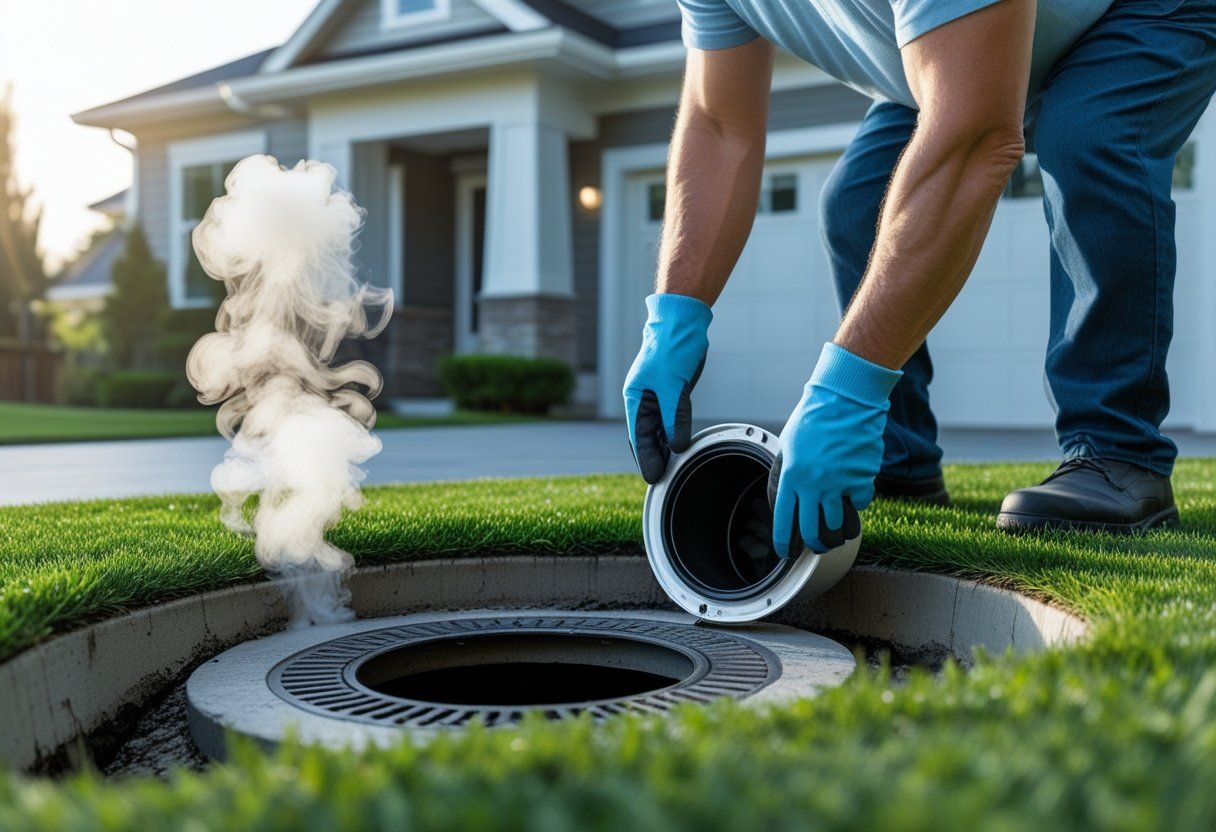
A person inspecting an open sewer cleanout pipe outside a house with faint vapor rising.

We deal with these issues more often than most people realize. When sewer lines start to fail, the first warning usually isn’t visible; it’s what we smell. Knowing what those odors mean helps us act quickly and avoid major damage or health concerns.

As we explore why strange smells happen, how to spot early warning signs, and what causes sewer line damage, we’ll also explain how prevention and professional care keep plumbing systems running safely and efficiently.

Why Strange Odors Signal Sewer Line Problems

Unpleasant odors in a home often point to leaks or blockages in the plumbing system. When we notice a sewage smell or other foul odors indoors, it usually means our sewer lines or vent pipes need attention to prevent damage and health issues.

How Sewer Gases Enter the Home

Sewer gases escape into the air when part of the plumbing system fails to contain them. Cracks in pipes, loose fittings, or dried-out traps allow these gases to move from the sewer lines into our living spaces. Even a small leak can release a strong sewage smell that lingers.

A working plumbing system keeps gases sealed behind water barriers in P-traps. When drains remain unused, the water in these traps can evaporate, removing the seal and letting sewer gases rise through the drain openings. Damaged sewer vents on the roof can also redirect gases indoors instead of safely venting them outside.

We can often trace the issue by noting where the foul odors occur. If multiple drains smell at once, it’s likely a bigger problem in the main sewer line rather than a single fixture.

Health Risks Associated with Sewer Odors

Sewer odors do more than make a home unpleasant. The gases that cause these smells; such as hydrogen sulfide, methane, and ammonia; can lead to health problems if we breathe them over time. Low levels may cause headaches, dizziness, or nausea. High concentrations can pose serious risks by reducing oxygen in the air.

Hydrogen sulfide has a distinct “rotten egg” scent. It can irritate the eyes, nose, and throat, while methane, which is odorless, raises the risk of fire or explosion in enclosed spaces. For this reason, strong or ongoing sewer odors should not be ignored.

Maintaining proper ventilation and water in all traps helps limit gas buildup. Regular inspection of vents, drains, and seals can prevent gases from escaping into our homes or workplaces.

Common Locations Where Odors Appear

Sewer odors often appear first in bathrooms, kitchens, laundry rooms, or basements. Each of these areas connects directly to the plumbing system through multiple drains and vent lines. A broken or loose pipe joint behind a wall or floor can make smells stronger near those spaces.

Basements may have floor drains that dry out if not used, breaking the water seal and letting gases rise. In kitchens, garbage disposals or sink traps often collect debris that produces foul odors when bacteria break it down. Bathrooms may develop sewage smells near shower drains or toilets if wax seals or gaskets fail.

We can track odor sources by checking drains for moisture, cleaning traps, and ensuring vents are not blocked. A consistent sewage smell means the issue is deeper in the sewer line and needs professional inspection to avoid further damage.

Key Indicators Your Sewer Line Needs Attention

Sewer line problems often start with subtle signs such as slow drainage, unusual gurgling sounds, or small sewage backups. When we notice changes in how water drains, odors linger, or toilets flush unevenly, these signals can point to a damaged or leaking sewer line that needs prompt inspection and repair.

Slow Drainage and Multiple Slow Drains

A single slow drain often means a minor clog, but multiple slow drains signal a deeper sewer line issue. When several fixtures; like sinks, bathtubs, and toilets; drain slowly, the problem often lies within the main sewer line, not the individual pipes.

We may also see standing water in tubs or showers after use. This happens when debris, grease, or tree roots restrict water flow. Over time, the buildup worsens, leading to sewer backups and possible pipe damage.

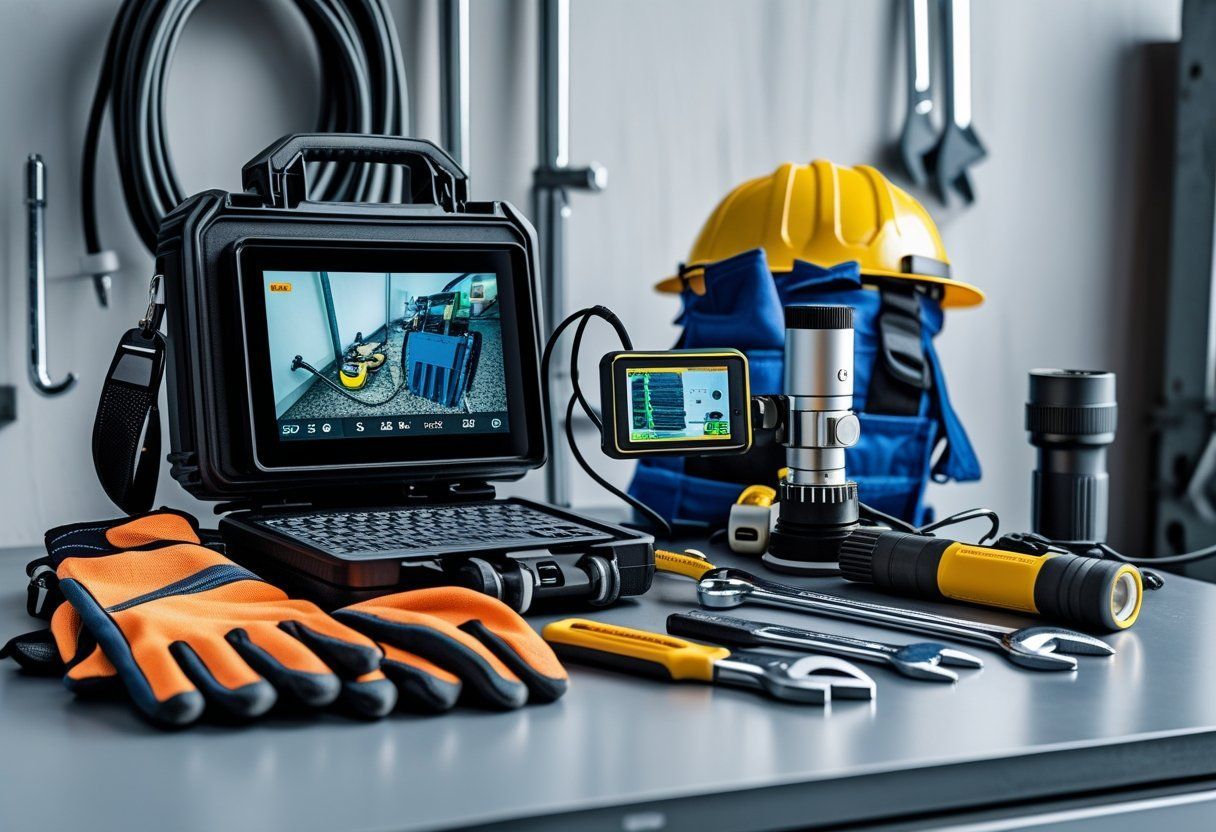
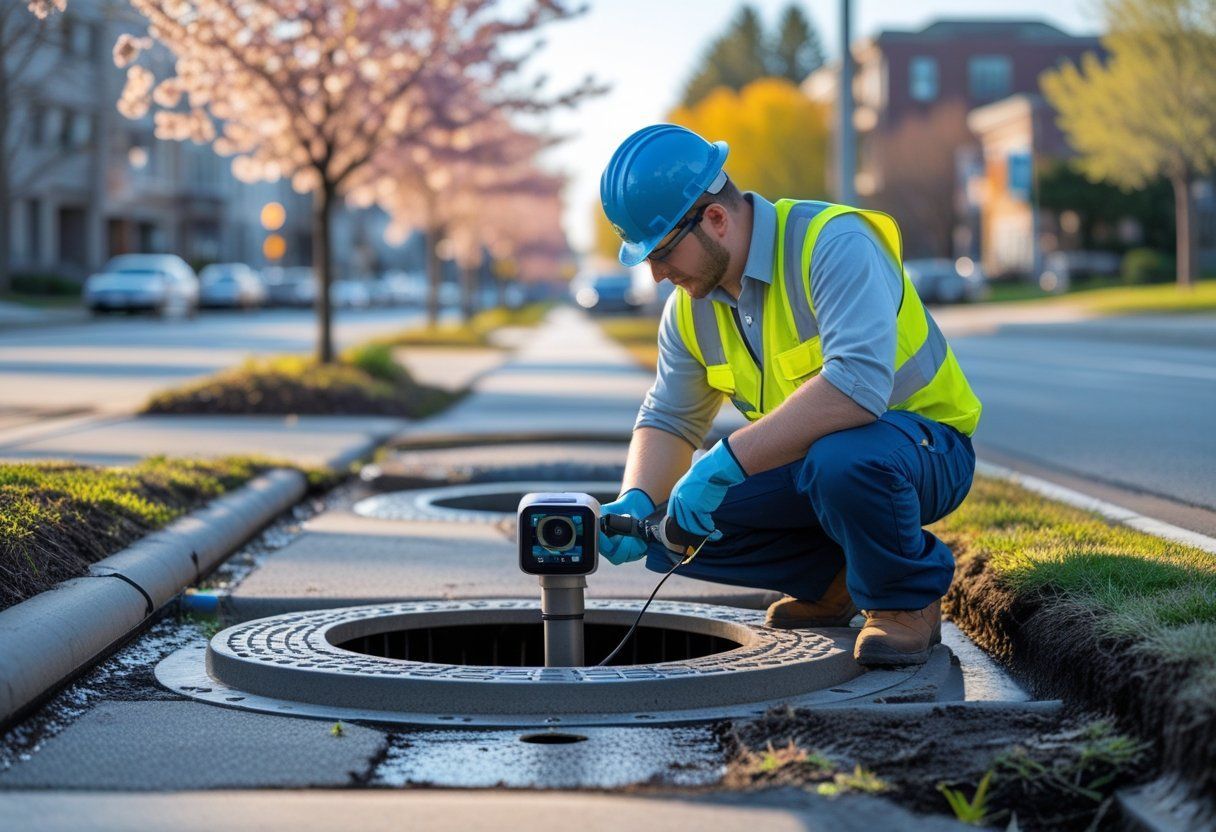
If plunging or basic cleaning doesn’t restore normal drainage, it’s wise to call a professional plumber for a sewer line inspection. Using a camera inspection, the plumber can find cracked or collapsed sewer lines before they cause greater damage or require costly sewer line repair.

Frequent Sewage Backups and Overflows

When toilets overflow or sewage backs up into drains, it’s a strong sign of a sewer line problem. A sewage backup usually results from a blocked or broken main line that prevents waste from leaving the home.

These backups may show up first in lower-level fixtures such as basements or floor drains. Even small backups can spread bacteria and odors, making fast cleanup essential. Repeated overflows suggest sewer line damage, possibly from cracks, corrosion, or root intrusion.

We should never ignore recurring backups. Each incident adds stress to the plumbing system, increasing the risk of leaks under the yard or even sinkholes around buried pipes. A licensed plumber can test the line, locate the blockage, and recommend proper sewer line repair or replacement.

Gurgling Sounds and Noises

Gurgling sounds or air bubbles coming from drains, sinks, or toilets usually mean air is trapped inside damaged or blocked pipes. A gurgling toilet can indicate restricted airflow or a partial clog deep in the main sewer line.

We may hear these gurgling noises when using nearby fixtures. The sound occurs because wastewater competes for space in the pipe, forcing air through standing water. This noise is not normal and often precedes slow drains or sewer backups.

Monitoring when and where the sounds occur helps plumbers pinpoint the problem. If ignored, trapped air and pressure may lead to cracks or leaks in old, fragile pipes. Quick diagnosis prevents more severe pipe damage that might require digging and replacement.

Sewer Flies and Pests as Warning Signals

An unexplained appearance of sewer flies, roaches, or other pests inside the home can point to a leaking sewer line. These insects breed in waste and damp conditions, so when they show up, it often means sewage is pooling somewhere it shouldn’t.

We might notice small black flies near drains, toilets, or basement floors. They thrive on organic matter from leaking or cracked sewer lines. Their presence often accompanies a musty or foul odor, which further supports the possibility of pipe leaks underground or within walls.

Addressing pests alone won’t fix the root cause. A professional plumber can use smoke or dye tests to locate unseen leaks. Repairing the damaged line stops infestations, protects indoor air quality, and prevents future sewer line issues.

Hidden and Advanced Signs of Sewer Line Damage

Sewer line problems often appear as changes in the yard, foundation, air quality, or pest activity. These signs may develop slowly but can point to serious issues like sewer leaks, soil instability, and structural damage if ignored.

Lush or Soggy Lawn Patches

Patches of grass that grow greener or thicker than the rest of the yard often signal a sewer line leak beneath the surface. Leaking wastewater provides extra moisture and nutrients, causing vegetation to grow unevenly. In contrast, other areas may appear normal or dry.

We might also see wet spots or areas where the ground feels soft even without recent rain. This can happen because the leaking sewage keeps the soil saturated. Over time, this moisture weakens soil structure, which may lead to soil instability and sinkholes.

If standing water or a soggy patch appears and produces a foul odor, it likely points to a sewage leak. Quick inspection helps prevent contamination and further damage to nearby landscaping or irrigation systems.

Warning signs checklist:

  • Isolated lush growth
  • Persistent damp areas
  • Mushy soil texture
  • Sewage odor outdoors

Foundation Cracks and Structural Damage

Leaks hidden beneath or near the foundation can cause foundation damage that leads to cracks in walls or floors. Wastewater escaping underground erodes the soil, removing support from under concrete slabs. Over time, this results in shifts or settling.

We may notice small cracks widening, uneven flooring, or doors and windows that no longer close properly. These symptoms often stem from soil movement caused by constant moisture from a leaking sewer line.

Continued erosion may produce uneven foundation pressure and eventually structural damage to floors, beams, or basement walls. Addressing this issue requires both plumbing repairs and soil stabilization to prevent further shifting.

Important indicators:

  • Expanding wall or floor cracks
  • Uneven surfaces indoors
  • Damp spots along the foundation

Mold and Mildew Growth

Persistent moisture from a sewer line leak or sewage backup encourages mold and mildew growth inside the home. We often detect it first by a musty, unpleasant smell in basements, walls, or floors.

Mold spreads easily in damp drywall, insulation, and wood framing. It can appear as black, green, or white spots near plumbing lines, especially where wet spots remain after cleaning.

Excess indoor humidity can also cause mildew growth on ceilings or window frames. Although cleaning removes surface mold, ongoing dampness will bring it back until the leak gets fixed.

Common moisture-prone areas:

  • Basement corners
  • Behind toilets or sinks
  • Along baseboards and carpets

Rodent and Insect Infestations

Sewer leaks often attract rodents and insects because they seek out moisture and food sources found in sewer gases and wastewater. If we notice a rise in pest infestations, it might mean a crack or opening in the sewer system.

Cockroaches, flies, and drain gnats can enter through sewer line leaks or faulty drain traps. Rodents such as rats may follow damaged pipes into crawl spaces or foundations.

Besides being unsanitary, these infestations can damage insulation, wiring, and stored belongings. Eliminating pests without stopping the sewer leak will only offer temporary relief.

Common pests linked to sewer issues:

Pest TypeLikely Entry PointTypical Signs
RodentsBroken sewer pipeScratching sounds, droppings
CockroachesCracked drains or pipesOily smell, visible insects
Flies/GnatsStanding sewage or leaksSwarming near drains

Causes, Prevention, and Professional Response

Sewer line issues often start small, such as a slow drain or faint odor, and can grow into major problems if ignored. We can reduce damage by knowing what causes these issues, checking the system regularly, and calling a professional at the right time.

Common Sources of Sewer Line Problems

Sewer lines can clog, crack, or collapse for several reasons. Tree root intrusion is one of the leading causes. Roots grow toward moisture and can enter small cracks in a sewer pipe, expanding and blocking the line. Over time, this can cause leaks or even complete pipe failure.

Another frequent cause is grease buildup inside drains. When cooking grease cools, it hardens and sticks to pipe walls, trapping debris. Items like wipes, paper towels, and hygiene products also contribute to blockages.

Soil shifting, aging pipes, and corrosion can weaken pipes and create sewer line leaks. We can prevent many of these issues by being selective about what we dispose of through sinks and toilets. Avoiding drain cleaner chemicals that can damage pipes also helps maintain the sewer line’s integrity.

Importance of Early Detection and Regular Inspection

Finding problems early keeps repair costs lower and prevents health risks. Regular plumbing inspections allow us to spot leaks, cracks, or blockages before they become emergencies. A typical inspection might include a camera check, which helps locate trouble areas deep within the line.

We should pay attention to warning signs like frequent clogs, slow drainage, gurgling pipes, and unexplained foul odors. These often signal hidden damage or buildup. Acting early helps limit property damage and reduces contamination risks.

Scheduling inspections every one to two years works best for older homes or those with a lot of trees nearby. Keeping maintenance records also helps licensed plumbers track system health and plan drain cleaning when needed.

When to Call a Licensed Plumber

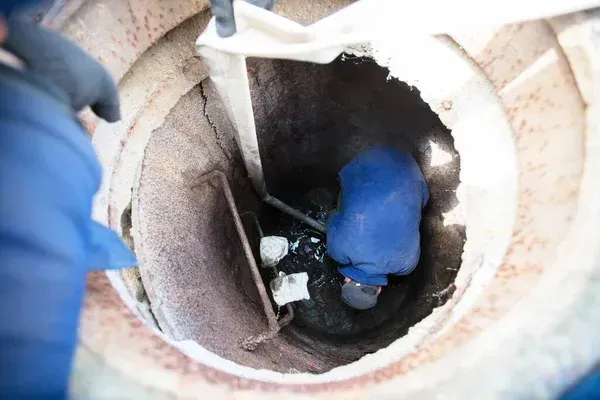
Some sewer line problems need more than simple home fixes. We should call a licensed plumber when drains continue to back up after cleaning or if multiple fixtures clog at once. Persistent odors coming from floor drains, sinks, or toilets also require professional attention.

Plumbers have specialized tools to locate and clear blockages safely. They can perform hydro jetting, which blasts water at high pressure to remove grease and debris without harming pipes. This method works better and lasts longer than chemical cleaners.

If we smell sewage indoors or notice water pooling in the yard, that could indicate a sewer line leak or break. In such cases, emergency plumbing services can help stop further contamination and protect surrounding soil.

Repair and Replacement Methods

Repairing sewer lines depends on the cause and extent of damage. For minor clogs or root intrusion, hydro jetting or mechanical cutting can clear the line. When cracks or leaks appear, pipe lining methods can seal damage without full excavation.

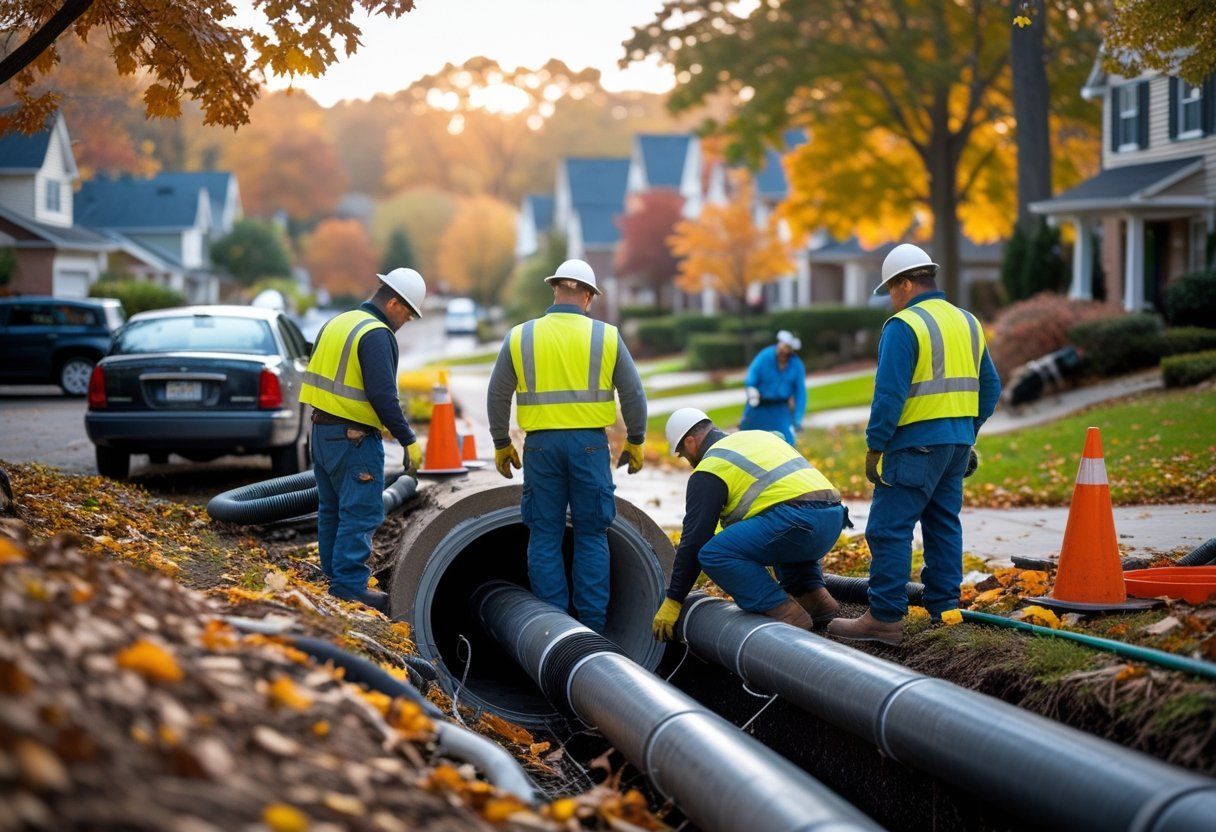
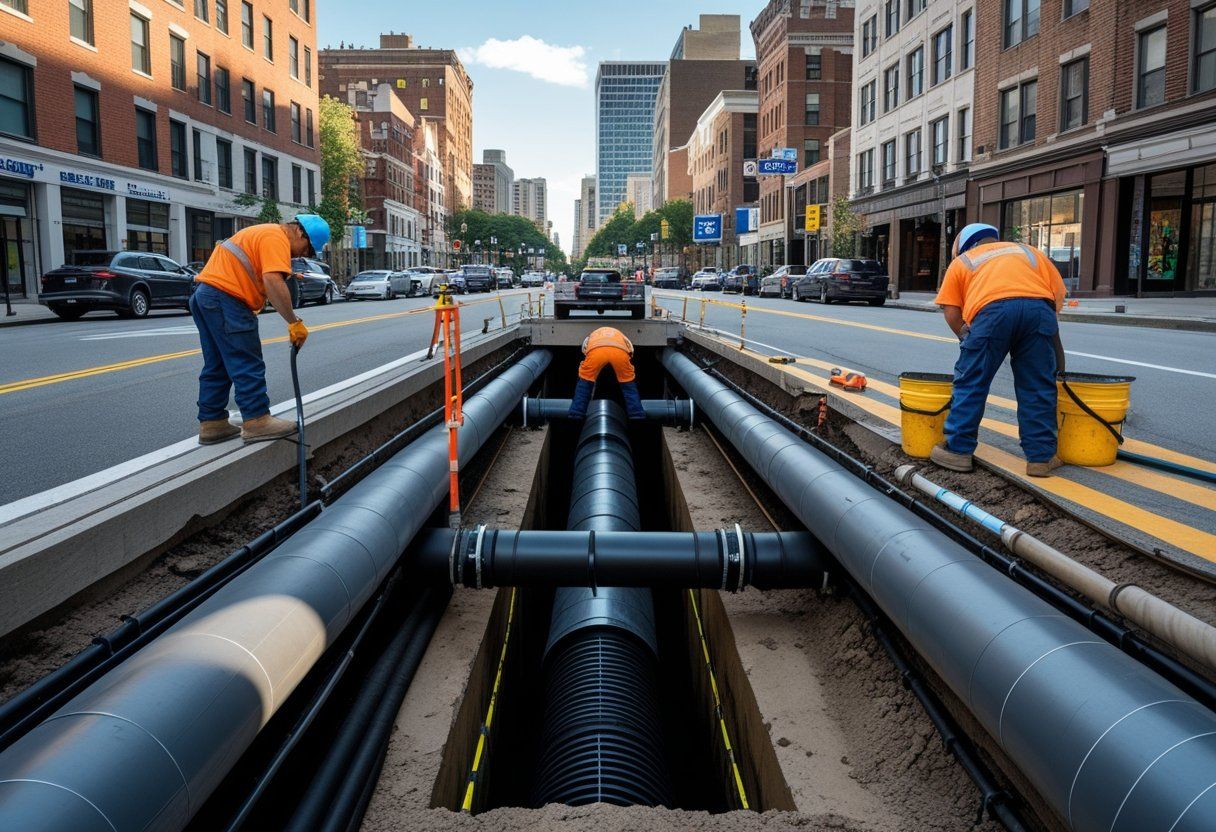
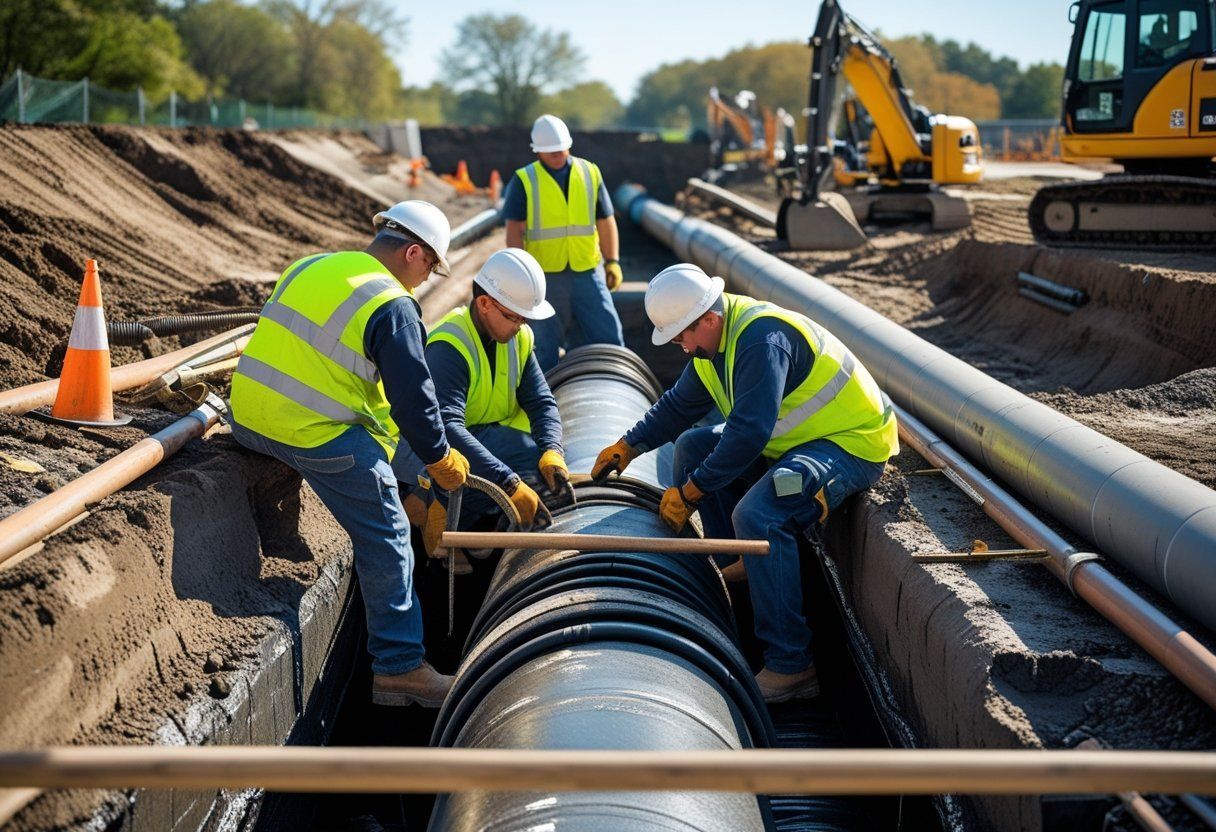
Severe issues, such as collapsed or corroded pipes, often require sewer line replacement. Modern methods like trenchless pipe replacement minimize digging and reduce property damage.

To prevent repeated problems, we should maintain a steady schedule of inspections and cleanings. Installing root barriers can help keep tree roots from invading pipes again. Preventive care costs less over time and keeps the sewer system working reliably.