Importance Of Proper Drainage To Protect Sewer Lines And Prevent Costly Damage

When water doesn’t drain where it should, we face more than puddles or damp soil. Poor drainage can cause major stress on our sewer lines and lead to costly repairs. Proper drainage protects sewer lines by keeping excess water from entering and damaging the system.

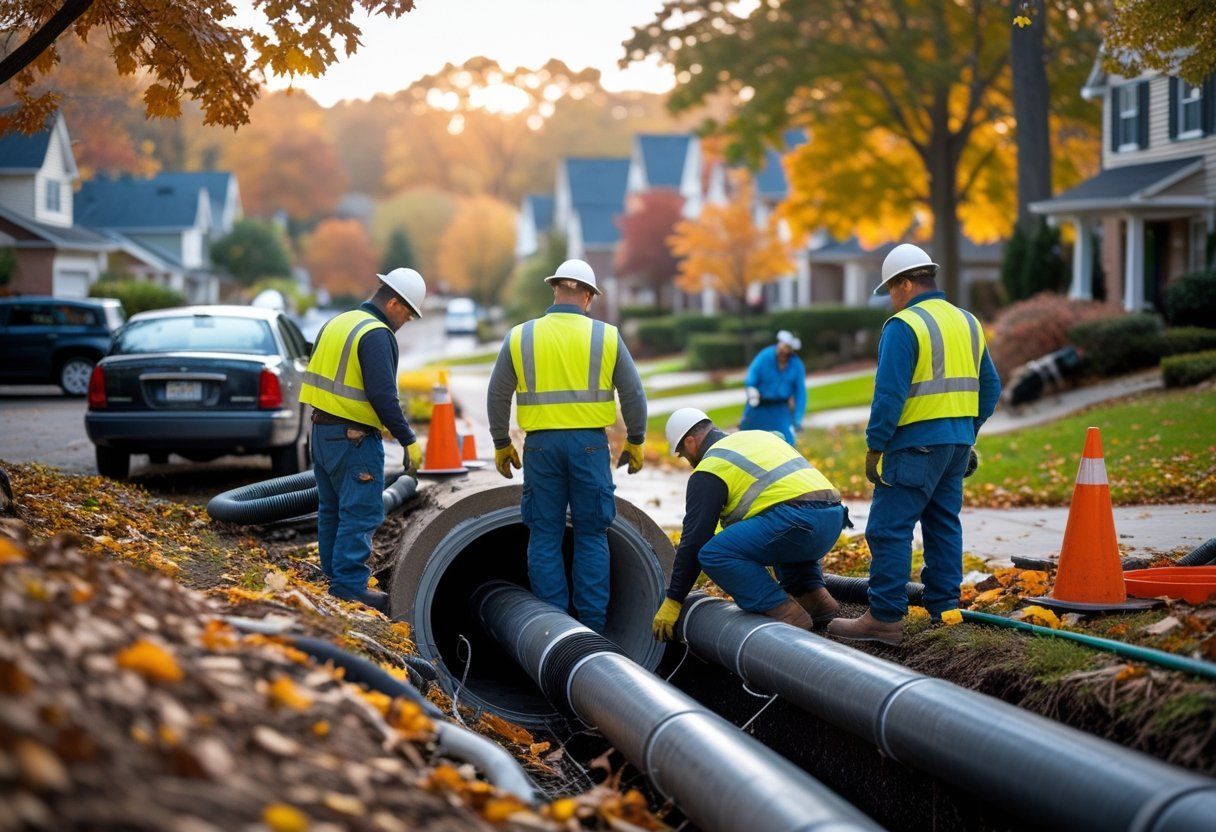
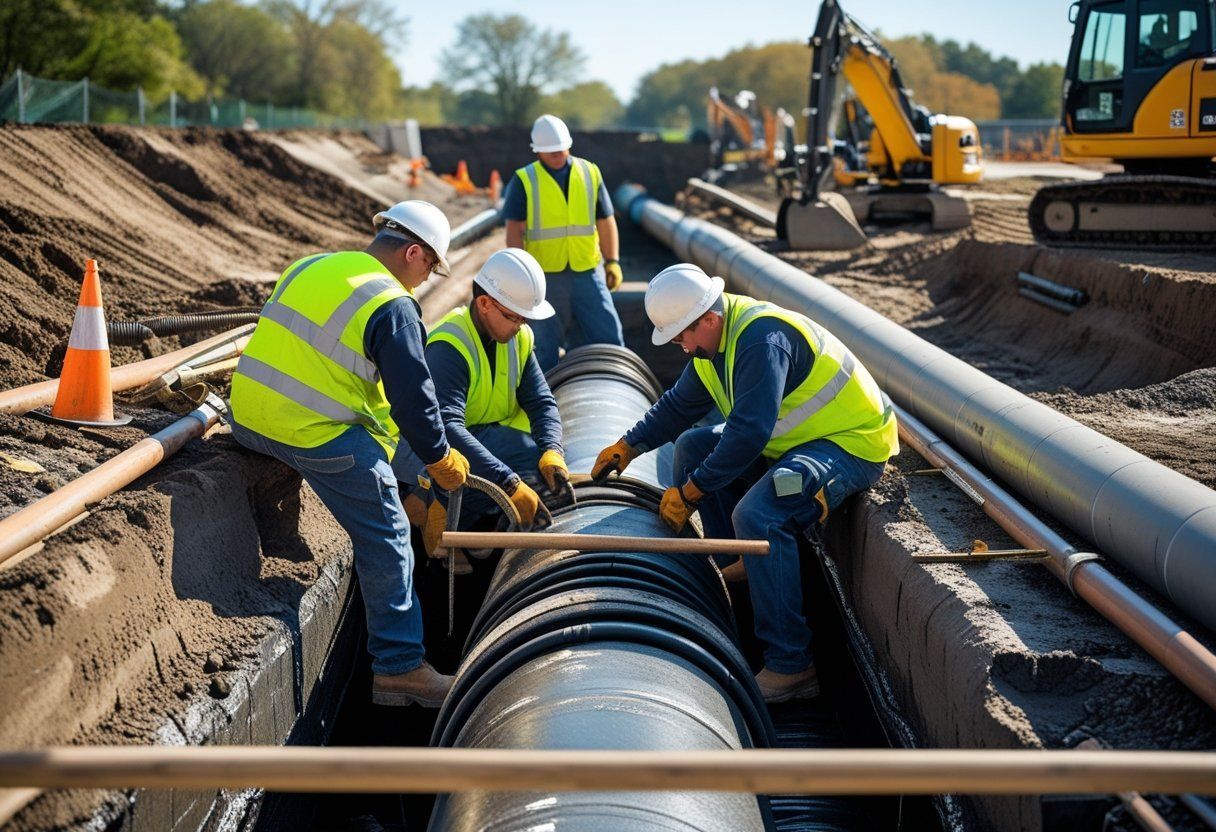
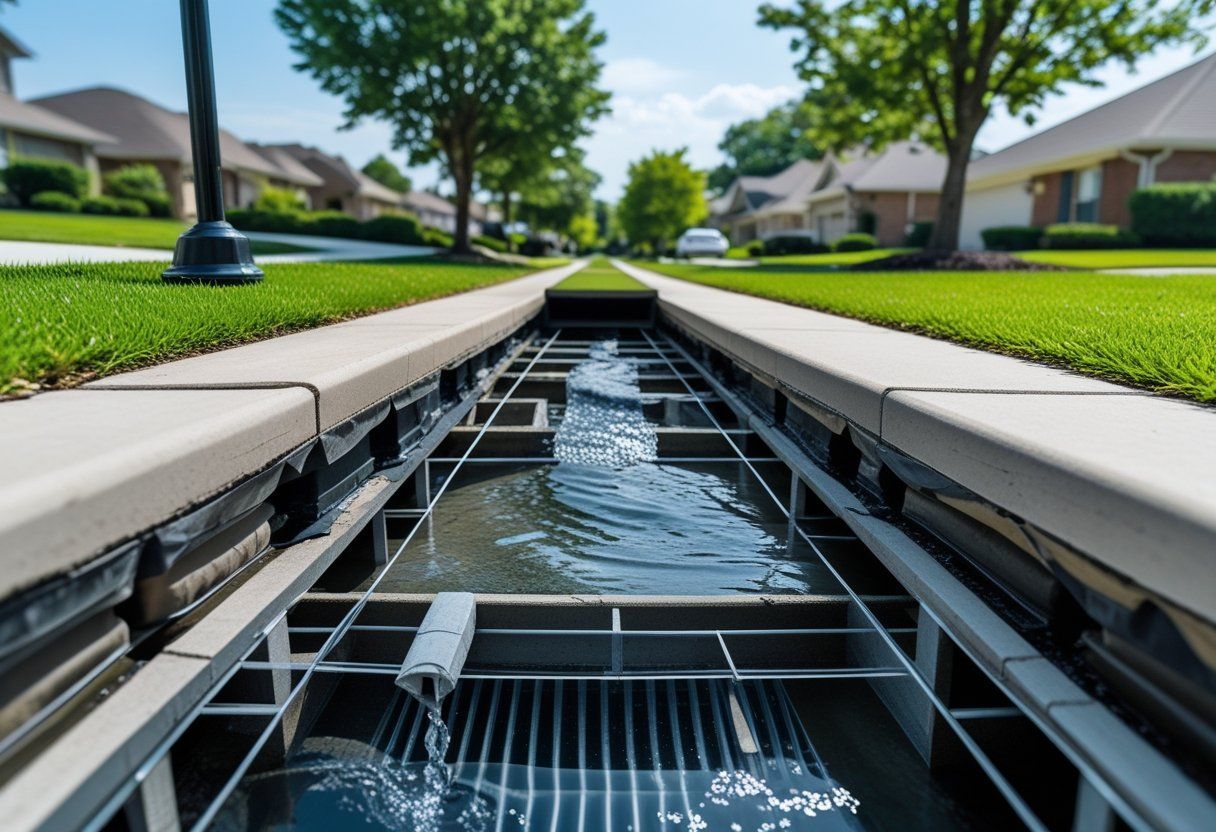
A residential street with clear rainwater flowing into storm drains and a cross-section showing protected sewer pipes underground.

We often overlook how rainwater and wastewater move around our property. If that flow slows down or gets blocked, it can back up and put pressure on pipes. Over time, this pressure weakens the sewer lines and shortens their life.

By learning how to manage drainage correctly, we can reduce risk and save money. Understanding what causes drainage problems and how to fix them helps us keep our sewer systems working well for years.

How Proper Drainage Protects Sewer Lines

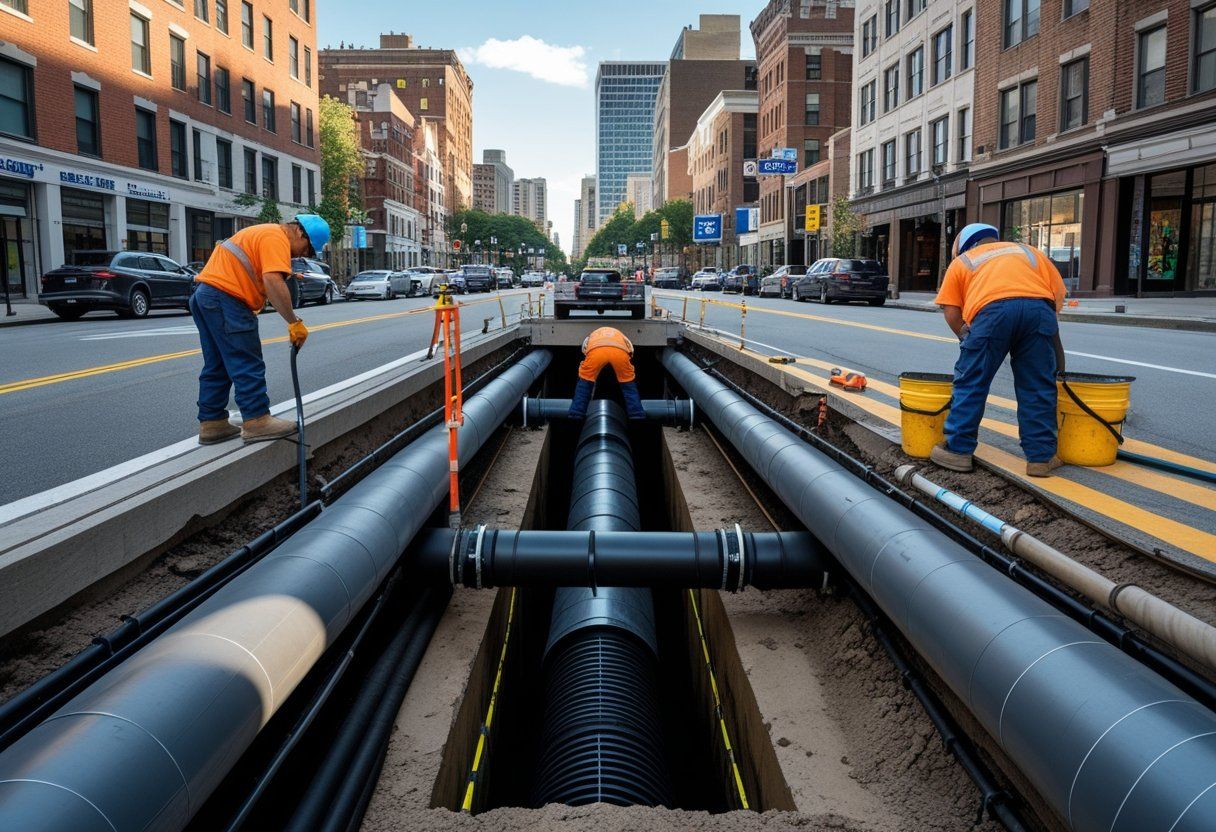
A residential street with storm drains and an underground view of clear sewer pipes showing water flowing smoothly.

Proper drainage keeps wastewater systems working efficiently by controlling how water flows through and around sewer lines. It limits soil movement, prevents excessive pressure on pipes, and helps avoid expensive repairs caused by blockages or structural stress.

Preventing Water Damage and Soil Erosion

When drainage systems route water away from sewer lines and foundations, they stop excess moisture from collecting in the soil. Standing water can soften the ground and cause soil erosion, leaving pipes without stable support. Over time, unsupported sections may sag or crack.

We design proper drainage to maintain consistent soil density. This means using sloped surfaces, gutters, and downspouts that move water outward rather than inward. Good grading also reduces the chance of surface flooding during heavy rain.

In areas with clay soils, proper drainage helps control how much the soil expands or contracts. This stability prevents the shifting that can bend sewer lines or strain joints. By keeping water levels balanced, we minimize the risk of both foundation damage and weakened pipe connections.

Key benefits:

EffectResult
Controlled runoffLess soil erosion
Balanced moistureReduced ground shifting
Protected foundationLower repair costs

Reducing Risk of Sewer Line Blockages and Clogs

Water that drains correctly carries waste through pipes at a steady rate. If the ground or pipes slope poorly, debris may slow down and collect. Over time, this buildup can form blockages that restrict flow and cause backups in the plumbing system.

Proper drainage helps maintain consistent water velocity in sewer lines, which limits residue on interior surfaces. It also reduces the amount of silt and sediment that enters the pipes from surrounding soil.

We can further lower clog risks by making sure stormwater systems stay clear of obstructions and direct runoff away from sewer inlets. When fewer solids enter the sewer, the entire network works more efficiently. Reliable drainage keeps water moving instead of standing still, which discourages odor and bacterial growth.

Maintaining Structural Integrity Around Sewer Lines

Stable and well-drained soil keeps sewer lines secure. When excess water saturates the ground, it can put uneven pressure on pipes or cause the soil to settle. This movement may crack joints or misalign sections of pipe.

Proper drainage supports soil stability by keeping moisture levels consistent around the line. We avoid pooling water that might erode support under the pipe beds or wash out fill materials.

By maintaining these conditions, we help preserve the structural integrity of both the sewer system and nearby foundations. Preventing soil displacement also reduces the chance of hidden leaks, which can worsen erosion and increase maintenance costs later.

In summary, managing drainage correctly strengthens the surrounding environment, protects pipe alignment, and upholds the long-term durability of the entire plumbing system.

Common Drainage Problems and Their Impact on Sewer Lines

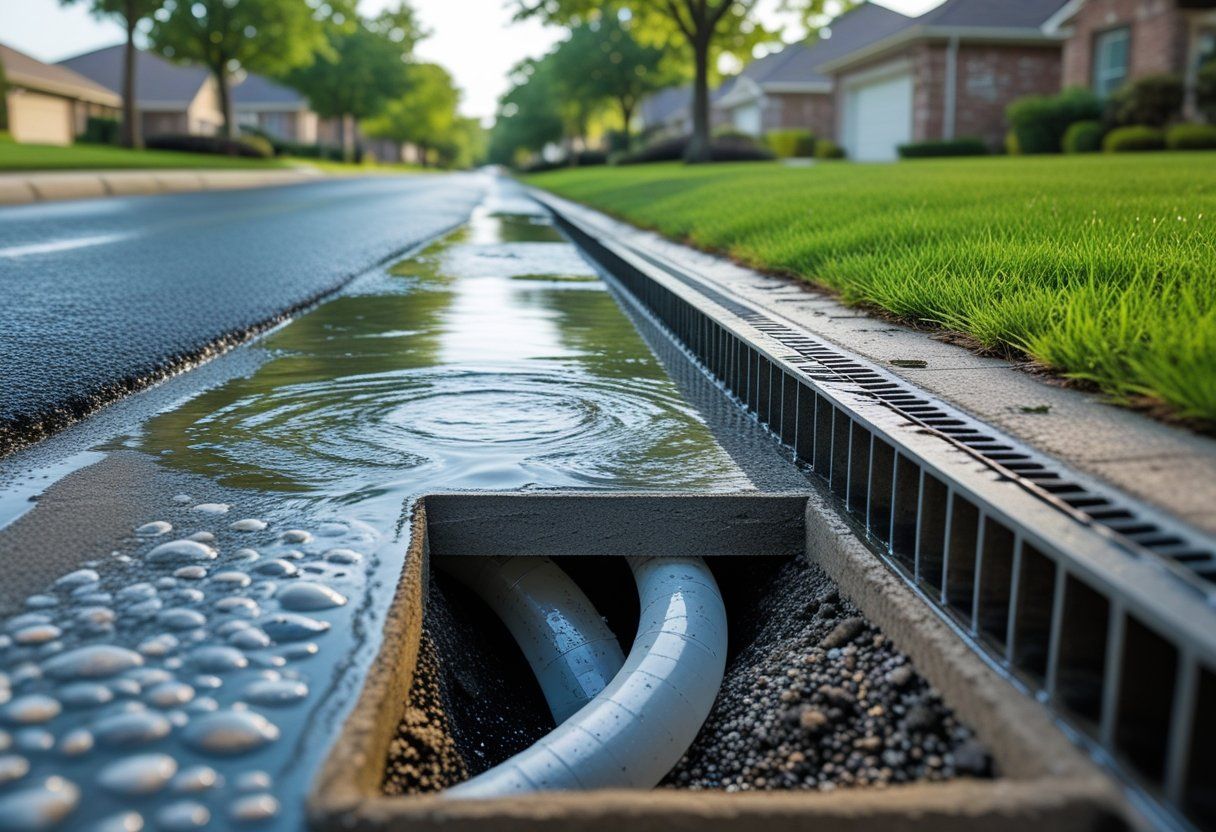
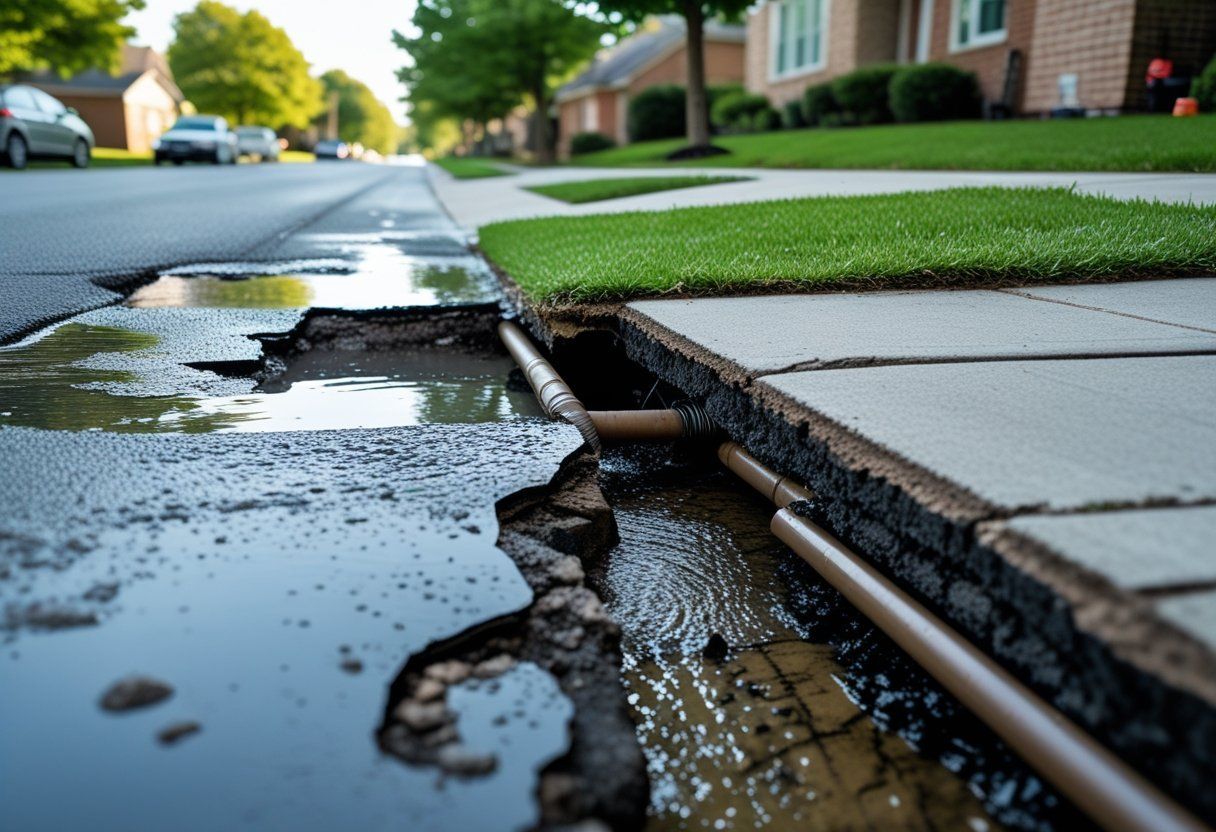
A close-up view of a residential street showing overflowing storm drains, cracked pavement, and exposed sewer pipes beneath a damaged sidewalk, surrounded by trees and grass.

Poor drainage leads to several hidden issues that damage sewer lines and surrounding structures. When water cannot move away efficiently, it causes blockages, leaks, and soil movement that threaten both plumbing and building foundations.

Clogging and Sewage Backups

When drains collect debris like grease, hair, or food waste, waterflow slows and eventually stops. Clogging prevents wastewater from leaving the property, and this backup can cause pipes to burst under pressure. In many cases, sewage backups release foul odors and harmful bacteria into sinks, tubs, or basements.

Standing wastewater is more than unpleasant; it can damage flooring, drywall, and furniture. We often find that homes without regular drain cleaning face this problem repeatedly.
To prevent it, we should:

  • Dispose of grease in containers, not sinks
  • Install drain screens
  • Avoid flushing wipes or paper towels

Consistent maintenance keeps sewer lines clear and lowers repair costs.

Leaks, Mold, and Mildew Risks

Leaks in drainage lines often go unnoticed until they create damp spots or discoloration. Water that seeps into walls or floors increases humidity, leading to mold and mildew growth. These organisms release spores that can irritate allergies and spread quickly in enclosed areas.

Even small leaks allow moisture to weaken wooden framing and drywall. Early detection through inspection and moisture sensors helps stop deterioration before it becomes extensive.
Common warning signs include:

IssueIndicator
Pipe leakDamp patches or bubbling paint
Mold growthMusty or earthy odor
MildewDark stains around baseboards or ceilings

By sealing leaks and maintaining ventilation, we reduce both structural decay and health hazards.

Hydrostatic Pressure and Foundation Issues

When groundwater collects around a home due to poor drainage, hydrostatic pressure builds against basement walls and the foundation. Over time, this pressure causes cracks, uneven settling, and sometimes water intrusion. These foundation problems allow more moisture to enter, creating a cycle of damage.

As soil becomes saturated, it loses stability, and structural shifting may occur. Proper grading, sump pumps, and functional drain tiles relieve water buildup before it reaches this stage. We also need to direct roof runoff through gutters and downspouts that carry water away from the structure.
Taking these preventive steps protects sewer lines from misalignment and keeps foundation surfaces dry and stable.

Effective Drainage Solutions for Protecting Sewer Lines

Proper drainage depends on how we shape the land, manage water flow, and install drainage systems that move water away from sewer lines. Each method strengthens long-term protection by reducing soil saturation, easing pressure on pipes, and preventing water from entering damaged joints.

Grading and Slope Management

Accurate grading and slope management keep water moving away from buildings and sewer lines. We design the ground surface so water drains naturally downhill and does not pool near pipes or foundations. A slope of about 2% (or ¼ inch per foot) usually provides reliable drainage for most yards.

We evaluate the pipe slope during installation to maintain steady water flow through the sewer system. Flat slopes cause standing water, while slopes that are too steep can lead to erosion and pipe stress. Proper grading also supports foundation drains and limits stormwater runoff that forces water toward sewer laterals.

To check grading, we use tools like a leveling rod or laser level. Routine drainage assessment helps identify uneven areas or settlement that might change how water drains. Adjusting the topsoil or adding fill in low spots restores the original slope and prevents long-term moisture issues.

French Drains, Swales, and Catch Basins

We install French drains to collect subsurface water and guide it through a gravel-filled trench with a perforated pipe. This setup directs excess moisture away from the pipe trench and reduces pressure from saturated soil. In larger landscapes, swales handle surface water by channeling flow through shallow, grass-lined ditches that slow erosion and filter runoff.

Catch basins serve as collection points for surface drains in paved areas or low-lying parts of a property. Their grates trap debris while the basin drains water into underground pipes. The combination of swales and catch basins protects sewer lines by preventing water buildup that could seep into joints or cracks.

Below is a basic layout showing where each feature often fits:

FeatureMain PurposeIdeal Location
French DrainMoves subsurface waterAlong foundations or wet zones
SwaleGuides surface runoffBetween slopes or large yards
Catch BasinCollects surface waterDriveways, patios, or corners of lots

Surface and Subsurface Drainage Systems

Surface drainage systems remove rainwater from paved areas, lawns, and other open surfaces before it seeps underground. We use surface drains, grated inlets, and permeable paving that lets water pass through instead of pooling. Rain gardens and infiltration zones absorb stormwater runoff, easing the load on sewer pipes.

Subsurface drainage systems operate below ground to manage hidden water near foundations or pipe trenches. Systems like foundation drains and perforated collector pipes move excess moisture through gravel layers into safe discharge points. These systems lower soil saturation and prevent uplift or settlement around sewer lines.

We design both system types based on site slope, soil type, and planned water flow. By combining surface and subsurface drainage, we achieve balanced water management that keeps sewer lines stable and functioning efficiently.

Maintenance Practices to Ensure Long-Term Sewer Line Health

We protect our sewer lines best through steady maintenance, smart use of water, and careful handling of waste. Regular checks, clean systems, and simple habits help prevent buildup, leaks, and expensive repairs.

Preventative and Predictive Maintenance

Preventative maintenance keeps small issues from turning into major sewer problems. We use scheduled cleaning and inspection to remove debris that can block pipes. A routine approach also helps maintain proper flow in connected plumbing systems and gutters.

Predictive maintenance uses warning signs to plan repairs before damage spreads. For example, slow drains, odors, and unusual noises may indicate clogs or cracks in the lines. We can also track water pooling or standing water around property edges to catch early pipe leaks.

A simple checklist helps us stay consistent:

  • Flush lines periodically to remove sediment.
  • Check downspouts for proper runoff direction.
  • Maintain outdoor drainage to avoid soil erosion near pipes.

By focusing on prevention, we reduce emergency calls and help preserve property value.

Professional Inspections and Cleaning

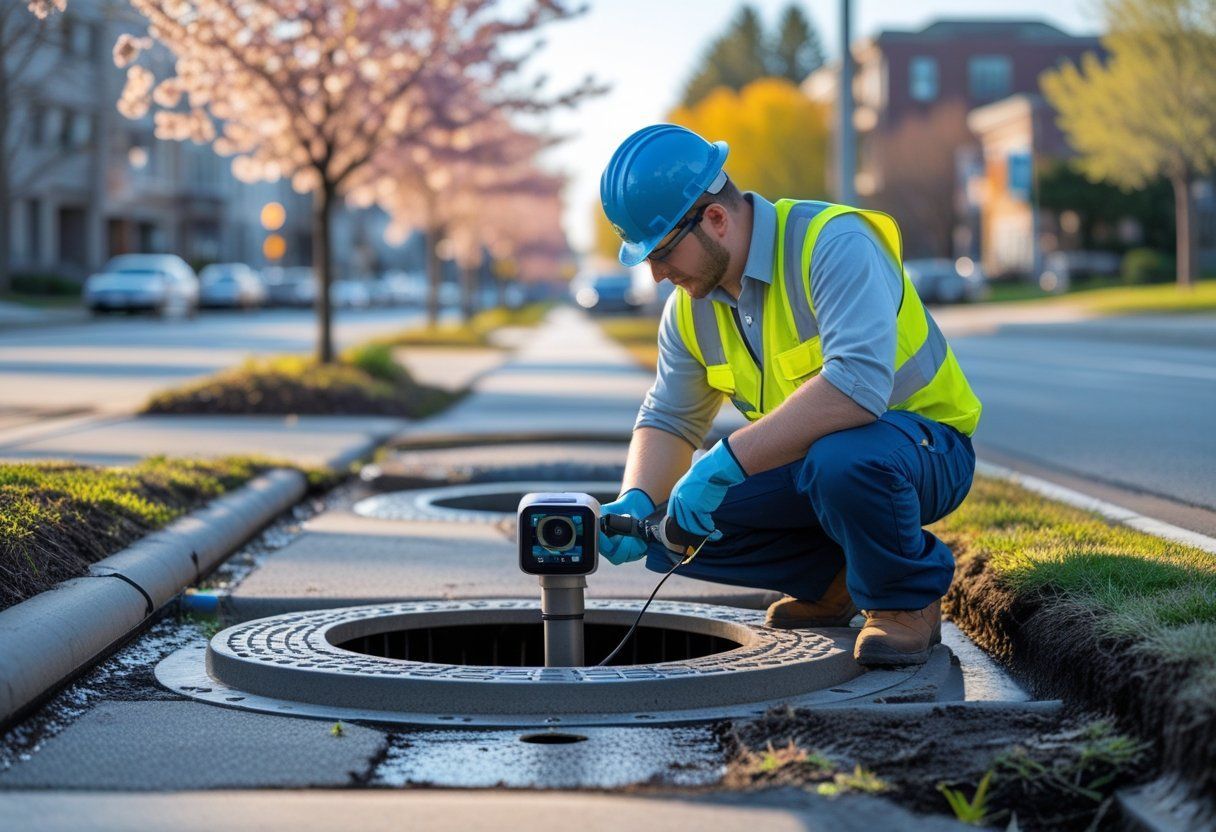
Professional inspections give us a clear look inside the sewage system. Using video inspection tools, plumbers can locate cracks, roots, or buildup that we cannot see from above ground. This method limits digging and helps diagnose problems faster.

Regular sewer maintenance cleaning also prevents grease, soap, and mineral deposits from narrowing pipe space. We often schedule jet cleaning or mechanical rodding based on pipe materials and usage frequency.

A qualified service team checks for early signs of corrosion or shifting ground that affects pipe stability. They can record footage, document findings, and suggest fixes before leaks reach the surface. Timely inspection lowers repair costs and keeps plumbing systems working efficiently.

Managing Waste Disposal and Water Management

What we send down drains affects sewer line health directly. Fats, oils, paper towels, and non-flushable materials cause clogs and strain the sewage system. Proper waste disposal habits; like keeping grease out of sinks; reduce future blockages.

We also manage wastewater flow by spacing water use during the day. Avoiding large surges helps pipes handle drainage evenly. Maintaining clean gutters and downspouts ensures that stormwater flows away from foundations instead of overloading sewer lines.

Good water management supports plant health around the property by preventing excess runoff. When drainage works properly, the soil stays balanced, roots remain stable, and the overall plumbing system lasts longer.