Identifying Residential Sewer Line Problems Before It’s Too Late: Key Warning Signs and Prevention Tips

Sewer line problems often start small but quickly grow into costly repairs if ignored. We usually notice only after water backs up, drains slow down, or strange smells appear near sinks or yards. Spotting early warning signs of sewer line issues helps us take action before serious damage occurs.

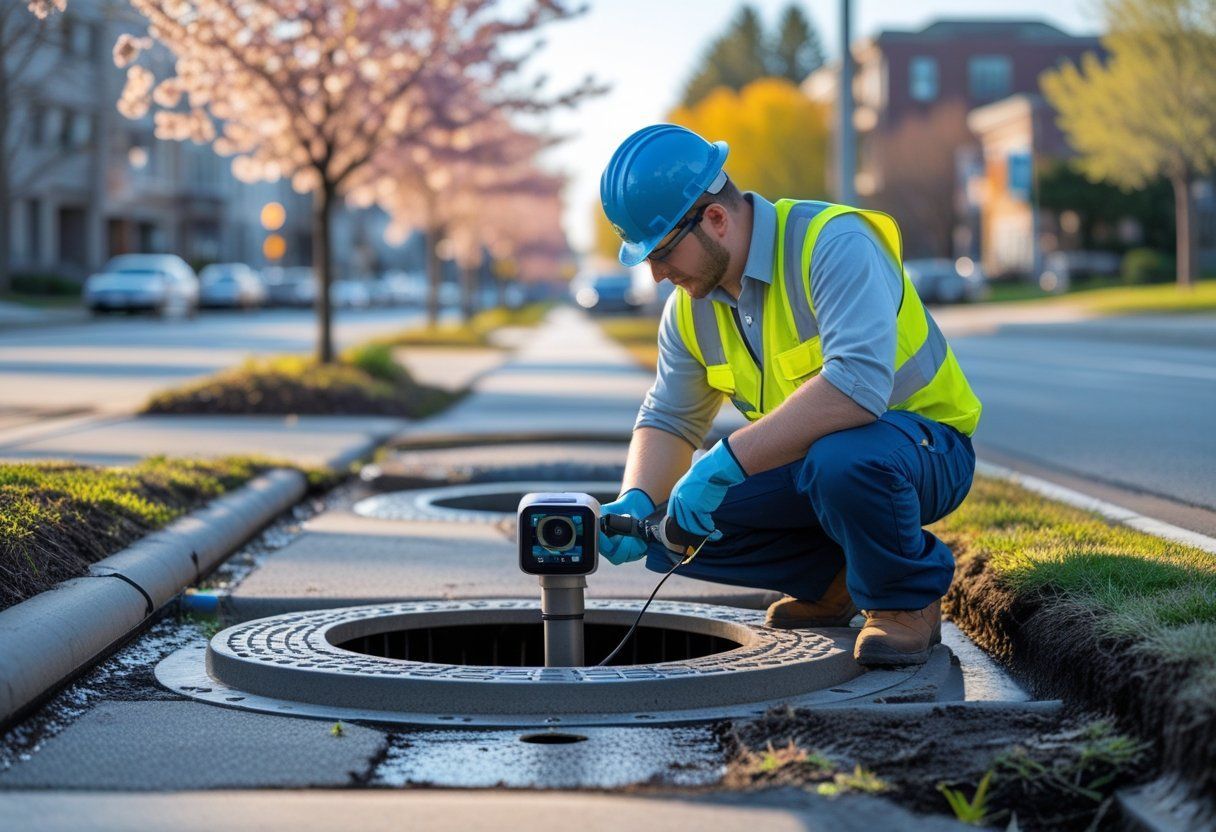
A plumber inspecting a residential sewer pipe underground using a sewer camera near a house in a suburban neighborhood.

We can look for changes both indoors and outdoors to find problems early. Unusual wet spots in the yard, foundation cracks, or gurgling drains can all point to hidden sewer trouble. Our goal is to understand why these issues happen, what risks make them worse, and how to inspect and fix them before it’s too late.

By learning what causes sewer line failures and how plumbers diagnose them, we can protect our homes and avoid expensive repairs. Simple awareness and timely action keep our pipes; and our property; working as they should.

Key Warning Signs of Residential Sewer Line Problems

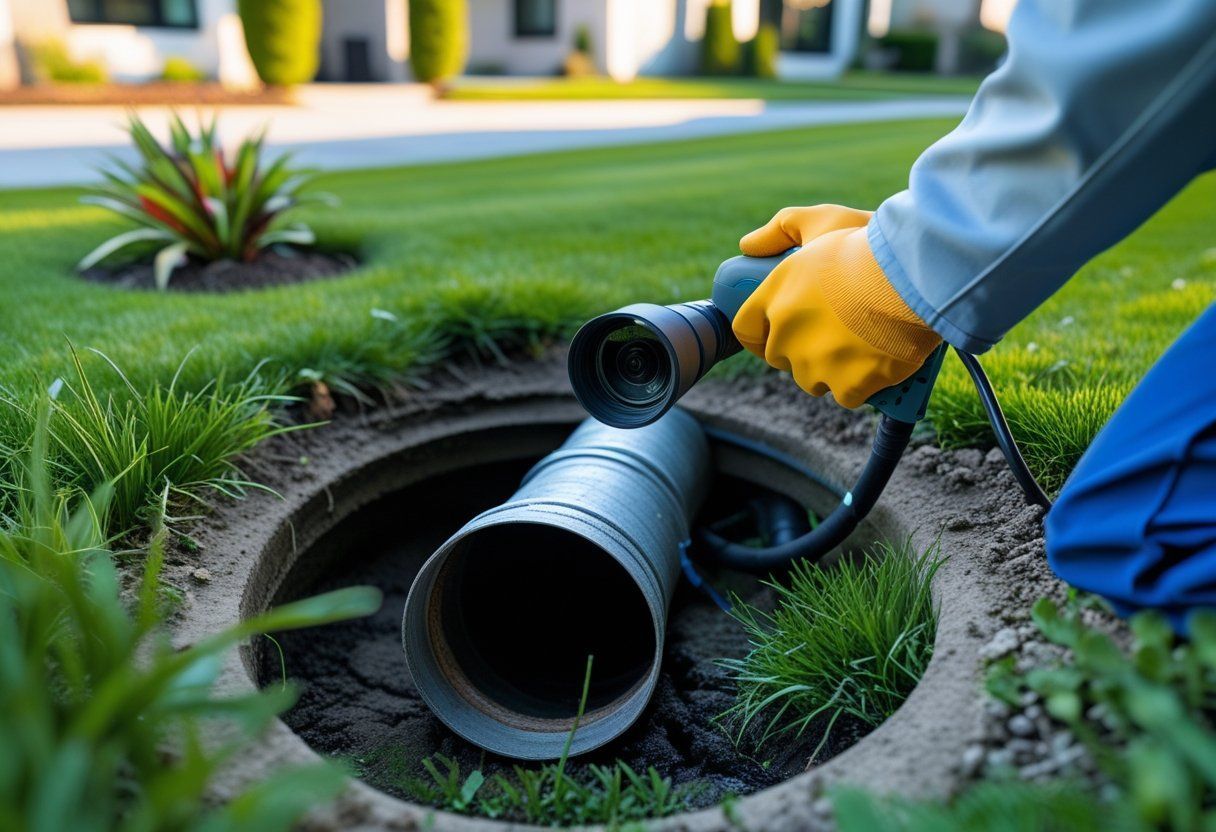
A plumber inspecting an open sewer cleanout pipe in a suburban yard near a house.

Sewer line problems often show clear signs long before major damage occurs. We can detect trouble by paying attention to slow drains, unpleasant smells, unusual plumbing noises, and frequent sewage backups.

Recurring Slow Drains and Clogged Fixtures

When water drains slowly from sinks, tubs, or toilets, it often signals a partial blockage in the main sewer line. These blockages can come from grease buildup, hair, soap residue, or even tree roots entering the line. If we notice several fixtures draining slowly at once, that usually points to a larger issue beyond a simple clog.

Repeated clogs, especially in lower-level drains, also raise concern. Clearing the drain with a plunger or store-bought cleaner may temporarily help, but the problem often returns.

Common warning patterns include:

  • Multiple slow drains throughout the home
  • Water pooling in the shower or tub
  • Toilet bubbling when the sink drains

Persistent slow drains suggest the need for a professional inspection to prevent a full sewer backup.

Unpleasant and Foul Odors Indoors or Outdoors

A strong sewage odor inside or outside the house is one of the most obvious signs of a sewer problem. Plumbing systems are sealed to prevent sewer gases from escaping, so any unpleasant smell means a leak or vent issue.

We might smell foul odors near floor drains, sinks, or in the yard where the sewer line runs. Outdoors, moist areas or patches of greener grass can indicate a leak allowing sewage to escape into the soil.

If we notice these smells, we should check:

SourceLikely CauseAction
Bathroom drainsDry traps or pipe leaksRun water to fill traps, inspect seals
Basement or crawl spaceSewer line leakHave lines inspected
Yard areaBreak or blockage undergroundContact a plumber

Ignoring odor issues can allow hazardous sewer gases to accumulate, which can also affect indoor air quality.

Gurgling Noises and Bubbling Sounds in Plumbing

Unusual sounds like gurgling noises or bubbling from drains and toilets often indicate trapped air inside the pipes. This happens when wastewater cannot flow freely through the sewer line due to a partial clog or blockage.

We might hear the sink or tub gurgle when flushing a toilet or notice bubbling water as drains empty. This noise results from air escaping through water seals when the line is not venting correctly.

Typical sound patterns include:

  • Toilet gurgling after other fixtures drain
  • Bubbling sink in the kitchen or bathroom
  • Intermittent noises that worsen over time

These noises are rarely normal. They usually mean a restriction is forming that could soon lead to a sewer backup.

Frequent Sewage Backups and Water Overflows

Sewage backups are one of the most serious and unmistakable signs of sewer line failure. When wastewater flows back into toilets, tubs, or floor drains, it shows that pressure is building somewhere in the system. The main sewer line may be cracked, collapsed, or blocked by roots or debris.

We often see backups start in basement drains or lower-level fixtures first. Water overflows after heavy rain can also indicate an overloaded or damaged pipe.

Key things to watch for:

  • Water rising in tubs when toilets flush
  • Dirty water pooling in floor drains
  • Frequent need to call for drain cleaning

Any sewer backup requires immediate action to prevent property damage and health risks. Professional cleaning and camera inspections help confirm the cause and prevent future overflows.

Outdoor and Structural Indicators of Sewer Line Issues

We can often detect sewer line problems by observing subtle outdoor and building changes. These signs may appear in the yard or on the structure itself before plumbing issues become severe or costly. Careful inspection helps us act early and protect the property from long-term damage.

Lush Grass Patches, Wet Spots, and Sinkholes

Uneven yard conditions can point to underground sewer leaks. When sewage escapes into the soil, it releases moisture and nutrients. Lush grass patches that look greener or grow faster than surrounding areas often mark the location of a leak.

We may also notice wet spots or pools that stay damp even during dry weather. This can suggest ongoing seepage from a cracked or broken pipe. Over time, the ground above a leak can soften and collapse, leading to sinkholes or uneven surfaces.

In some cases, we might smell sewage near these areas. That odor, along with soggy soil, is a strong clue of a leaking sewer line. Regularly walking our yard after heavy rain helps us spot spots that do not drain properly, which helps us find sewer issues before they worsen.

Foundation Cracks, Settlement, and Structural Damage

A damaged sewer line can weaken the ground that supports the foundation. Leaking water erodes soil, causing it to shift or settle unevenly. Foundation cracks or gaps between floors and walls often appear as the structure moves.

We should check for doors or windows that stick, or walls that begin to tilt. These signs may result from foundation damage connected to long-term moisture exposure. Even small leaks can lead to structural damage if ignored.

A simple inspection checklist can help us track early warning signs:

IndicatorPossible Cause
Cracks near baseboardsSoil shift from sewer leaks
Uneven floorsFoundation settlement
Gaps around doorsStructural movement

Addressing soil erosion or leaks quickly prevents much larger repair costs later.

Visible Water Damage, Mold or Mildew Growth

Indoor conditions can also hint at hidden sewer issues. Water damage along lower walls, floors, or basements often ties back to leaks that seep through building materials. Stains or peeling paint near these areas may show long-term moisture problems.

Persistent dampness creates the right environment for mold growth and mildew growth. These appear as dark spots or a musty odor, especially near plumbing lines or basement corners. We should investigate the source rather than simply cleaning the surface.

When moisture from a sewer leak keeps returning after cleanup, it likely means water is seeping in from underground. Timely repairs and proper ventilation reduce bacteria and odor while protecting the structure from ongoing water backup or moisture damage.

Common Causes and Risk Factors for Sewer Line Failure

Many sewer line failures start small and grow worse over time. Our main risks come from aging infrastructure, environmental stress like root growth and soil movement, and poor maintenance or disposal habits that speed up deterioration.

Aging Pipes, Corrosion, and Pipe Damage

Older pipes lose strength as materials wear down. Cast iron can rust, while clay and concrete lines may crack under pressure. When corrosion eats through the pipe wall, wastewater can leak into the soil and create soft ground or sinkholes.

Common signs include slow drains and gurgling noises from toilets. Metal pipes often develop thin spots that collapse without warning. Extreme weather changes can also expand and contract materials, causing fatigue.

Preventive steps:

  • Replace pipes made before the 1970s.
  • Use modern PVC or HDPE piping for corrosion resistance.
  • Schedule camera inspections to detect small leaks early.

Pipe lifespan table:

MaterialTypical Lifespan (Years)
Cast Iron50-75
Clay50-60
PVC70+
Orangeburg (fiber)30-40

Tree Root Intrusion and Soil Movement

Tree roots seek water and nutrients from drain lines that leak or vent moisture. Fine roots enter through small fractures, then thicken inside the pipe, creating blockages and clogs. Once inside, they trap debris and slow flow, adding pressure on weak joints.

Soil movement compounds this. Ground shifting from heavy rain, drought, or settlement can bend or break pipes. A small misalignment often becomes a full separation or collapse when combined with root force.

We can limit these risks by avoiding deep-rooted trees near service lines and maintaining steady ground moisture. Clay soils that expand and shrink are common trouble zones, especially when the pipe bedding lacks support.

Improper Disposal Habits and Grease Buildup

Household habits play a major role in sewer failures. Pouring grease, oil, coffee grounds, and wet wipes down drains creates layers of buildup inside pipes. Over time, that buildup hardens, narrowing the flow path and causing backups in kitchens and bathrooms.

Grease cools as it travels, sticking to pipe walls and mixing with debris to form solid blockages. The pressure of standing wastewater can lead to cracks or even full pipe rupture.

To reduce clogs and stress on the system:

  • Dispose of fats and oils in sealed containers with trash.
  • Avoid flushing non-dissolving items.
  • Use enzyme-based cleaners to break down small deposits safely.

Even small, repeated mistakes in disposal can shorten a pipe’s service life.

Blocked Vents, Joint Failures, and Plumbing Issues

Vent stacks keep air pressure balanced in plumbing. When blocked by debris, nests, or ice, the pipes lose airflow and drain slower. Poor venting can cause suction that damages seals or draws sewer gases back inside.

Loose or misaligned joints let wastewater leak out and soil enter. Joint failures often occur at transition sections between old and new materials. If not sealed properly, these leaks create odor problems and weaken connections.

Routine checks on vent openings, sealing points, and cleanout access reduce pressure surges that can damage fittings. Using flexible couplings and professional installation prevents strain that leads to leaks or partial collapse in complex plumbing systems.

Inspection, Diagnosis, and Solutions for Sewer Line Problems

We rely on careful inspection, accurate diagnosis, and proper repair methods to keep sewer systems working efficiently. Using the right tools and techniques lets us spot damage early and address it with minimal disruption.

Professional Sewer Line Inspection and Camera Assessment

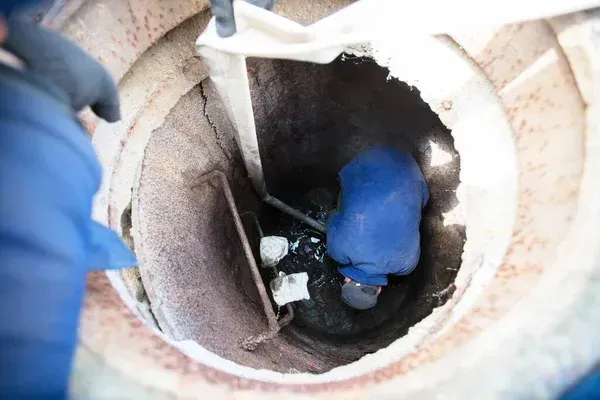
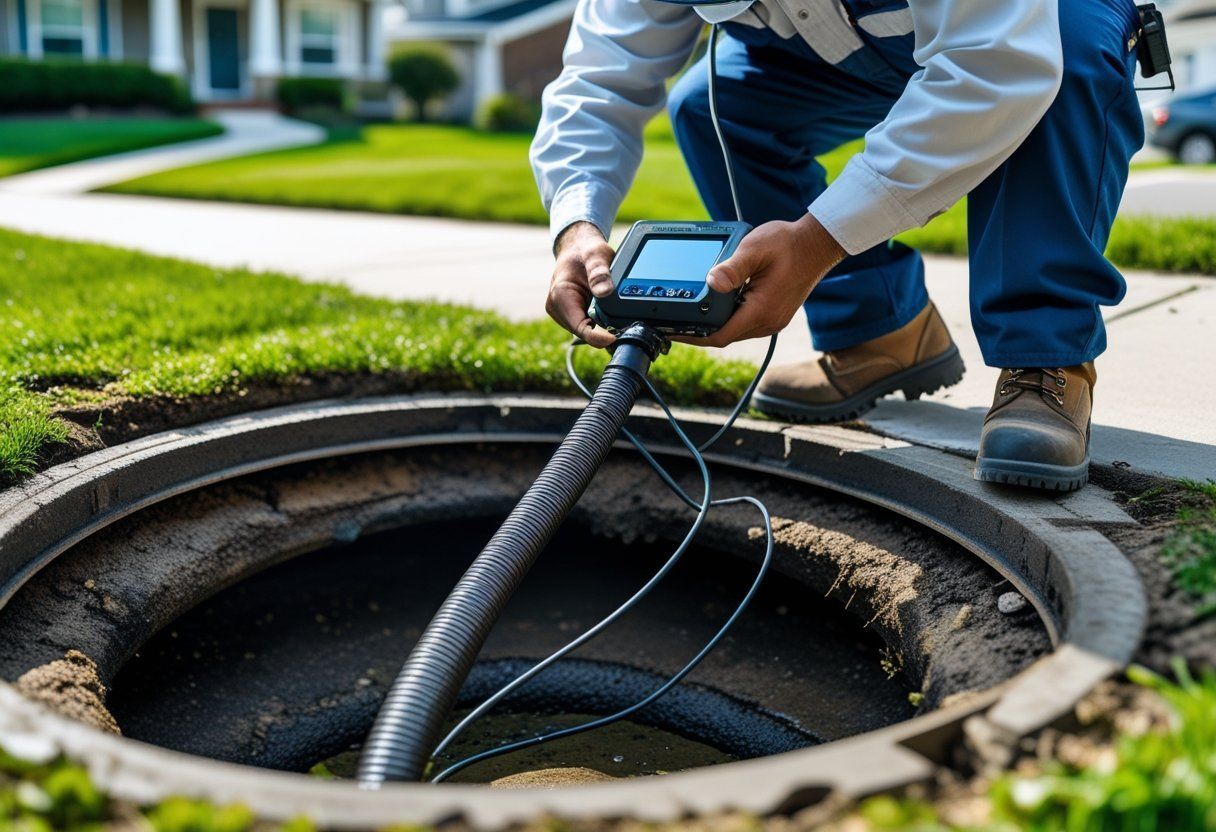
A sewer line inspection helps us locate cracks, blockages, and leaks without guessing. We often start with a video inspection using a waterproof sewer camera that travels through the pipes. This camera inspection provides live footage of the interior condition, letting us see issues such as tree root intrusion, grease buildup, or corrosion.

We record and review the sewer camera inspection footage to identify exact problem areas. This precise view saves time and prevents unnecessary digging. A professional plumber or licensed plumber uses these findings to recommend the most effective repair or maintenance solution.

We typically use the results of each sewer inspection to plan cleaning or repair work. With clear visuals and measurements, we can determine whether we need a small pipe repair or a full sewer line replacement.

Modern Sewer Line Repair and Replacement Methods

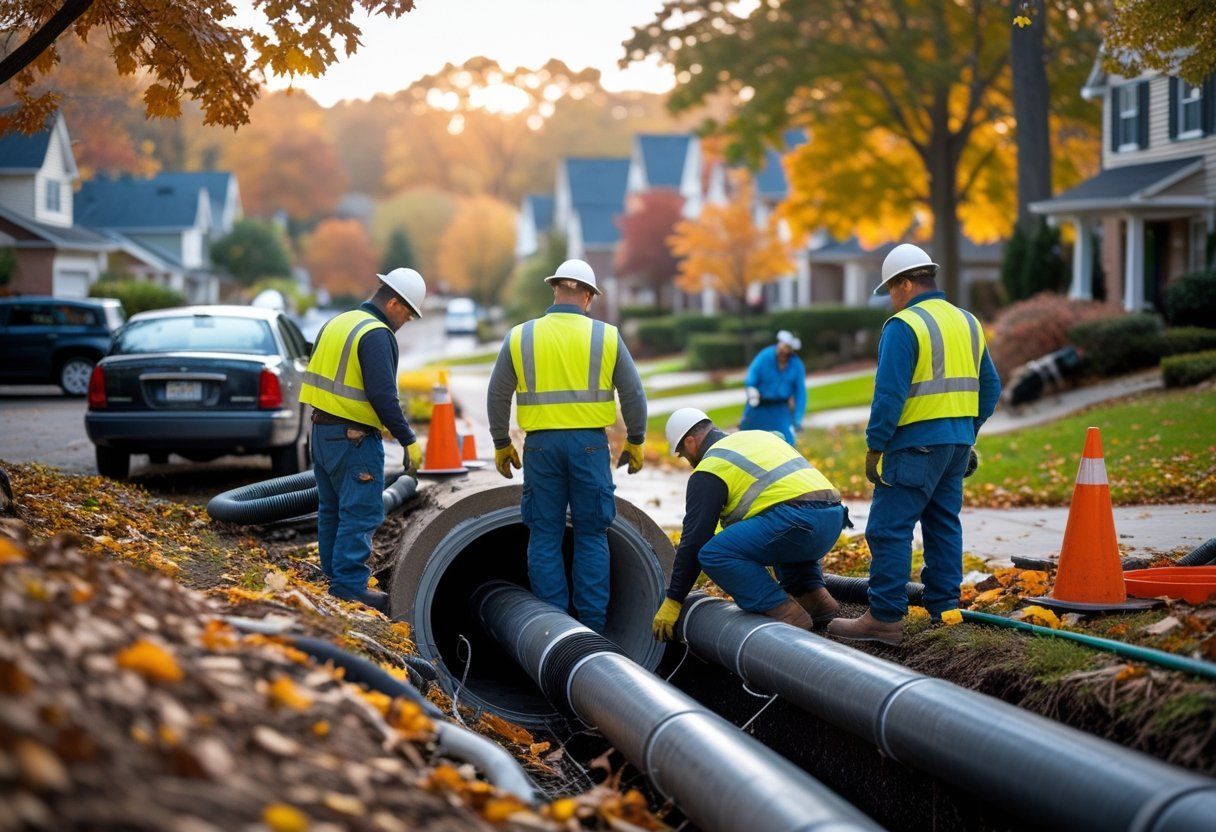
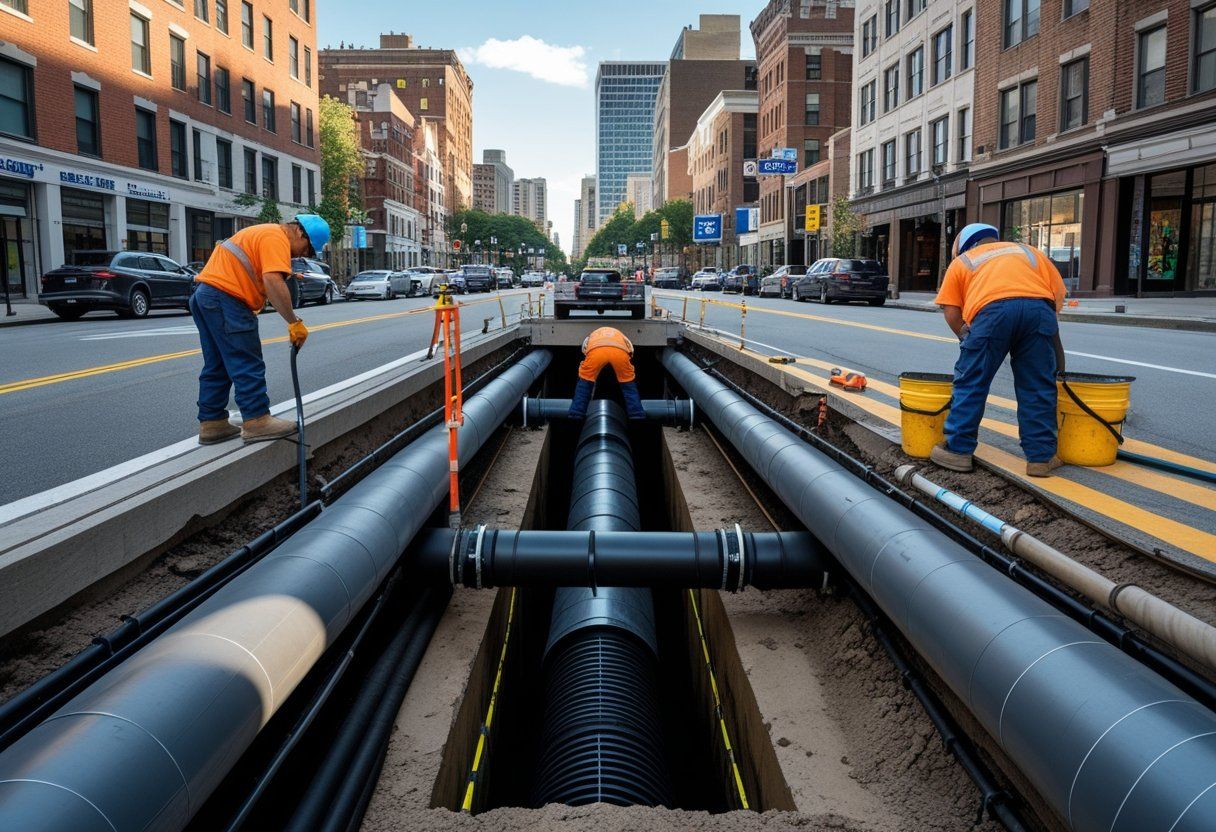
Once we confirm damage, we choose a solution that balances cost, durability, and disruption. Modern sewer line repair often uses trenchless repair methods such as pipe bursting or pipe relining. These options reduce excavation and keep landscaping intact.

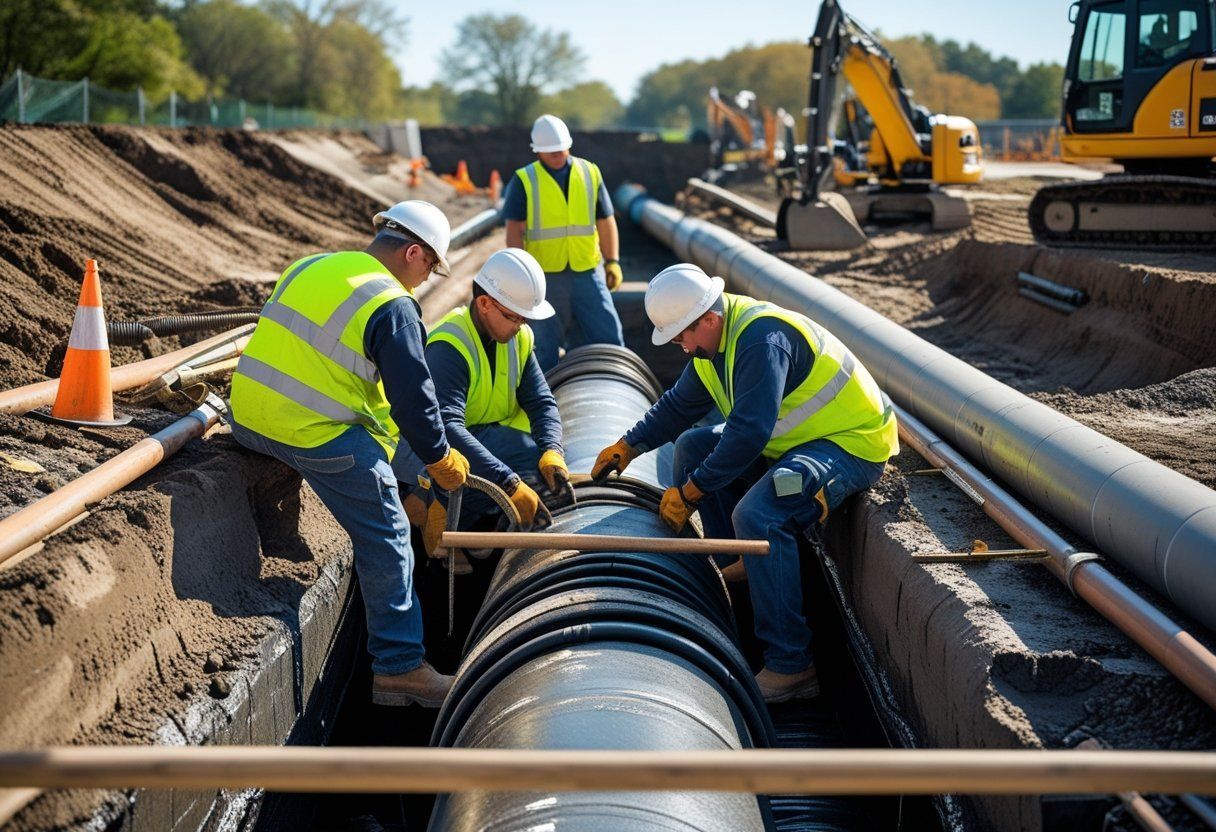
For smaller issues, a pipe repair may involve sealing cracks or replacing short pipe sections. Larger problems like collapsed lines might require a full sewer line replacement. Both approaches restore flow and prevent waste leaks or backups.

We also use hydro jetting when pipes are blocked but structurally sound. This method blasts high-pressure water through the line to clear out grease, roots, and debris. Once cleaned, additional inspection ensures the pipe stays open and functional.

Preventative Maintenance and Drain Cleaning

Ongoing preventative maintenance protects sewer lines from unexpected failure. Regular drain cleaning and professional drain cleaning services keep buildup under control and improve water flow.

We usually recommend a hydro‑jetting service every year or two, especially for older homes or properties with heavy water use. This keeps grease, soap, and sediment from narrowing the line.

Routine sewer line inspections also help spot cracks and corrosion before they worsen. By tracking pipe conditions, we can schedule timely sewer line repairs and extend the lifespan of the system.