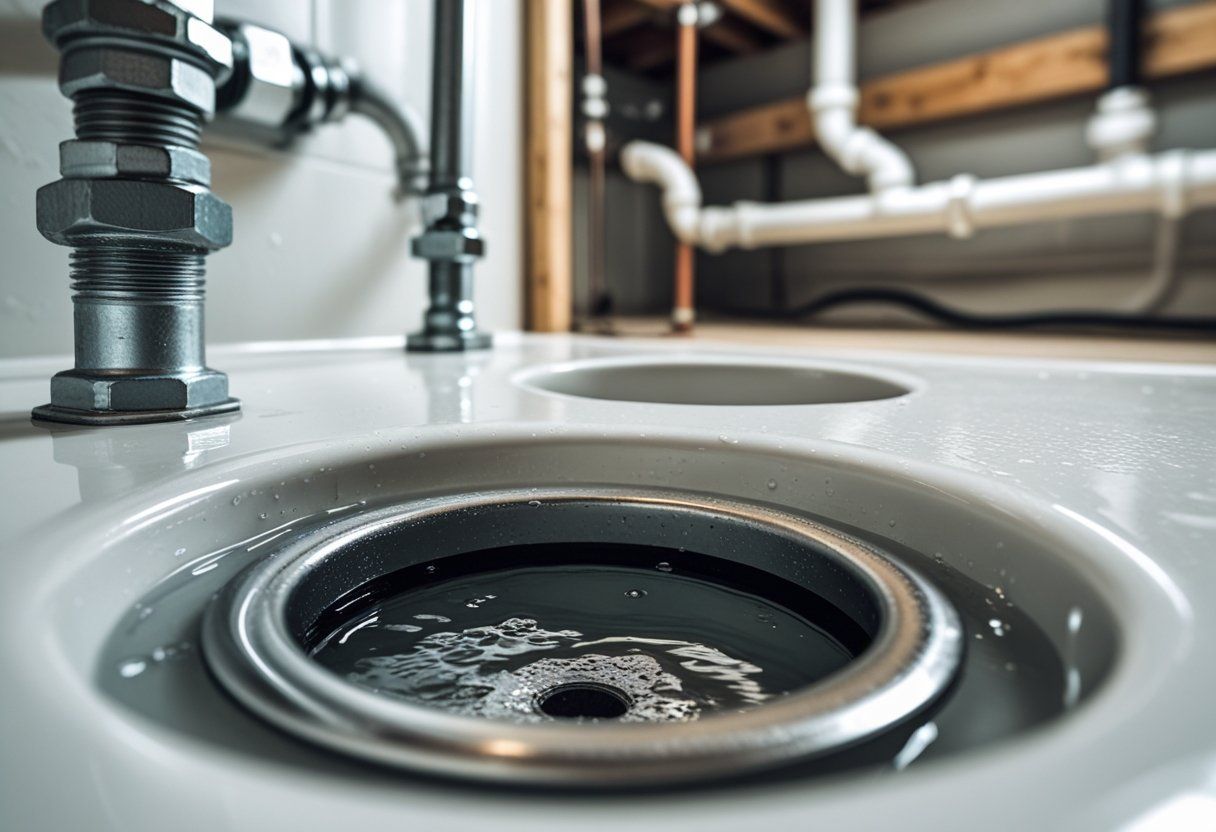
A sewer line clog can lead to serious plumbing damage if ignored. Slow drains, bad smells, or water backing up in sinks often appear before the problem grows worse. We can recognize a clogged sewer line early by watching for small but clear warning signs inside and outside the home.
When we catch these issues soon, we avoid costly repairs and protect our property from water damage. Paying attention to how drains, toilets, and yard areas behave helps us spot early changes.
In this guide, we’ll cover what signs to look for, what might cause a clog, and how to prevent future issues with regular maintenance and inspection.
Key Early Warning Signs of a Clogged Sewer Line

When our sewer system starts showing problems, the first signs often appear in the drains, toilets, or through unusual smells and sounds. Recognizing these early helps us prevent larger issues like sewage backups or costly repairs.
Slow or Multiple Drains Backing Up
Slow drains in sinks, tubs, or showers often point to a problem deeper than a simple drain clog. When water drains slowly despite cleaning or plunging, the issue may lie in the main sewer line. Over time, buildup from grease, hair, or debris collects inside the pipe, narrowing the flow path.
If more than one fixture drains slowly, the problem is likely beyond individual plumbing. For example, when we notice a slow kitchen sink and bathtub at the same time, it’s often due to a sewer line obstruction. Multiple slow drains are one of the earliest warning signs of a clogged sewer line rather than isolated clogged drains.
We can perform a quick check by running water in different fixtures. If water backs up in another drain or we hear gurgling noises, the main sewer line may need professional inspection or drain cleaning.
Frequent Toilet Backups
When a toilet clogs often without an obvious reason, it may indicate a clog somewhere in the main sewer line. Toilets usually connect directly to the main drain, so they are the first fixtures to show trouble.
A single toilet clog can be caused by paper or debris. However, recurring toilet backups; especially across multiple toilets; usually mean waste can’t flow freely through the sewer pipe. Each flush adds pressure, and when it can’t pass through, wastewater comes back up.
We should watch for these patterns:
- Several toilets backing up together.
- Water rising or bubbling in the tub when flushing.
- Gurgling noises from nearby drains.
If these occur, using a plunger or drain snake may only provide temporary relief. The best step is to inspect the sewer line for blockages or tree root intrusion.
Unpleasant or Foul Odors
Persistent sewer odors coming from drains or near clean-out points signal trapped sewage or gas in the plumbing. When a clog blocks airflow, gases that should vent outdoors instead escape through household drains.
These unpleasant odors may smell like rotten eggs or waste. They often appear stronger near floor drains, sinks, or toilets connected to the main sewer line. In some cases, we might also notice damp spots or residue near the drain due to minor sewage backups.
We can test for airflow blockage by briefly running water in nearby drains. If the smell worsens or lingers, it’s a sign the sewer line needs attention. Regular drain cleaning or vent inspection helps clear buildup that traps gases and prevents proper flow.
Gurgling or Bubbling Noises From Drains
Odd gurgling sounds and bubbling noises often occur when air pushes through trapped water in the drainpipe. These sounds mean air can’t move freely because of a partial blockage.
When we flush a toilet and hear bubbling in a nearby sink or shower, the main sewer line may have a clog restricting airflow. These noises can appear before water backs up, giving us an early clue to act.
We can note when and where the noises happen:
- Gurgling after flushing means pressure in the line.
- Bubbling while draining a bathtub suggests partial blockage.
- Repeated sounds even after cleaning point to a deeper issue.
These signs should not be ignored. Persistent gurgling noises indicate that the sewer system is struggling to vent properly and may soon cause visible drainage issues if left untreated.
Visible and Environmental Clues Around the Property
Changes outdoors or indoors can signal a sewer line leak long before a backup occurs. We can spot early warnings like damp soil, unusual plant growth, or cracks in solid surfaces that point to hidden pipe damage.
Lush or Soggy Patches in the Yard
A leaking sewer line often releases water and nutrients underground. This extra moisture can cause patches of grass to appear unusually green or thick compared to the rest of the yard. While that might seem harmless, it usually means wastewater is seeping into the soil instead of moving through the pipe.
Over time, soil becomes spongy or soggy, especially near the pipe path. We might notice pooling water or a soft area that stays wet after rain has stopped. These are signs the ground is oversaturated due to a broken sewer pipe or pipe cracks.
A simple check involves walking the property and pressing lightly on the grass. Uneven spots or sunken soil near sewer lines can suggest loss of support beneath the surface. If ignored, the damage can spread and create larger issues like property instability and foul odors.
Standing Water or Damp Spots Indoors
Inside the house, persistent damp spots or wet flooring can indicate a broken or leaking sewer line below the slab or behind walls. When wastewater escapes, it soaks nearby materials such as flooring or drywall, leading to water damage, mold growth, and unpleasant odors.
We might notice musty smells near bathrooms, basements, or laundry areas first. These odors often appear before visible moisture. Early action helps reduce property damage and prevents more costly repairs later.
Using a moisture meter or simply watching for dark stains around baseboards can help identify the problem area. A professional inspection can confirm if the source is a sewer leak or another plumbing issue. Quick attention limits structural harm and prevents long-term foundation damage.
Sinkholes or Foundation Cracks
When a broken sewer line allows water to leak underground, it can wash away soil that supports parts of the property. This erosion weakens the ground and can lead to small sinkholes or cracks in the foundation.
We may first spot tiny fissures in sidewalks, patios, or basement walls. These can grow larger as more soil erodes, creating uneven surfaces. Over time, the structure can shift or settle in ways that cause expensive foundation repairs.
Other warning signs include doors or windows that no longer fit properly and bulging walls. These changes often mean the soil beneath is unstable from consistent moisture loss or saturation. Noticing these early and checking for pipe damage helps prevent serious structural decline.
Common Causes and Risk Factors for Sewer Line Clogs
Sewer line clogs often result from materials building up inside pipes, structural damage, or the natural aging of the plumbing system. Recognizing what leads to these problems helps us prevent costly and unpleasant backups later.
Grease and Debris Buildup
Grease is one of the most common causes of sewer line blockages. When we pour cooking oil, fat, or greasy food scraps down the drain, they cool and harden inside the pipes. Over time, this sticky layer catches debris such as food particles, hair, or paper products, creating a thick blockage.
Even small amounts of grease can cause buildup when combined with soap residue and waste. Once the passage narrows, wastewater cannot pass smoothly, leading to slow drains or complete sewer line clogs.
We can lower this risk by keeping grease out of sinks, scraping plates before washing, and running hot water to clear minor residue. Installing a sink strainer also helps catch larger debris before it enters the plumbing system.
| Common Grease Sources | Resulting Problem |
|---|---|
| Cooking oil, butter, and lard | Sticky blockages |
| Fat from meat or dairy | Partial flow restriction |
| Residue from dish soap and detergent | Combines with grease to form buildup |
Tree Root Intrusion and Pipe Damage
Tree root intrusion is another frequent cause of sewer line damage. Roots naturally seek out water and can find small cracks or joints in underground pipes. Once inside, they expand, creating a dense network that blocks the flow of wastewater.
This kind of pipe damage can be hard to detect early because it happens gradually underground. We often notice the problem only after drains begin to gurgle or back up. Broken pipes caused by roots may also lead to leaks that wash away surrounding soil, which can make pipes sag or collapse.
To reduce this risk, we can plant trees away from sewer lines and schedule regular inspections with a plumbing camera. Professional root removal and line maintenance help prevent large blockages from forming.
Aging Pipes and Corrosion
Older sewer lines face higher risks of failure from pipe corrosion and structural wear. Many older homes still have cast iron or clay pipes that weaken over time. As the pipe material corrodes or cracks, rough surfaces trap solids and cause blockages that escalate into full sewer line clogs.
Corrosion also leads to thinning pipe walls, which increases the chance of leaks and collapse. In some cases, shifting soil can worsen sewer line blockage or further pipe damage by pressing against weakened sections.
We can manage this by having old or fragile pipes inspected and, when needed, replaced with modern materials such as PVC. Routine maintenance reduces breakdowns and extends the life of the entire sewer line system.
Prevention, Professional Inspection, and Next Steps
We can avoid major sewer line issues by acting early, keeping drains clean, and scheduling regular inspections. Staying alert to drainage performance, pest activity, and health risks helps us manage problems before they lead to expensive repairs.
When to Call a Licensed Plumber
We should call a licensed plumber when drains back up in multiple fixtures, gurgling sounds come from toilets, or there is sewage odor indoors or outdoors. These signs usually show a blockage or damage in the main sewer line, not just a single drain.
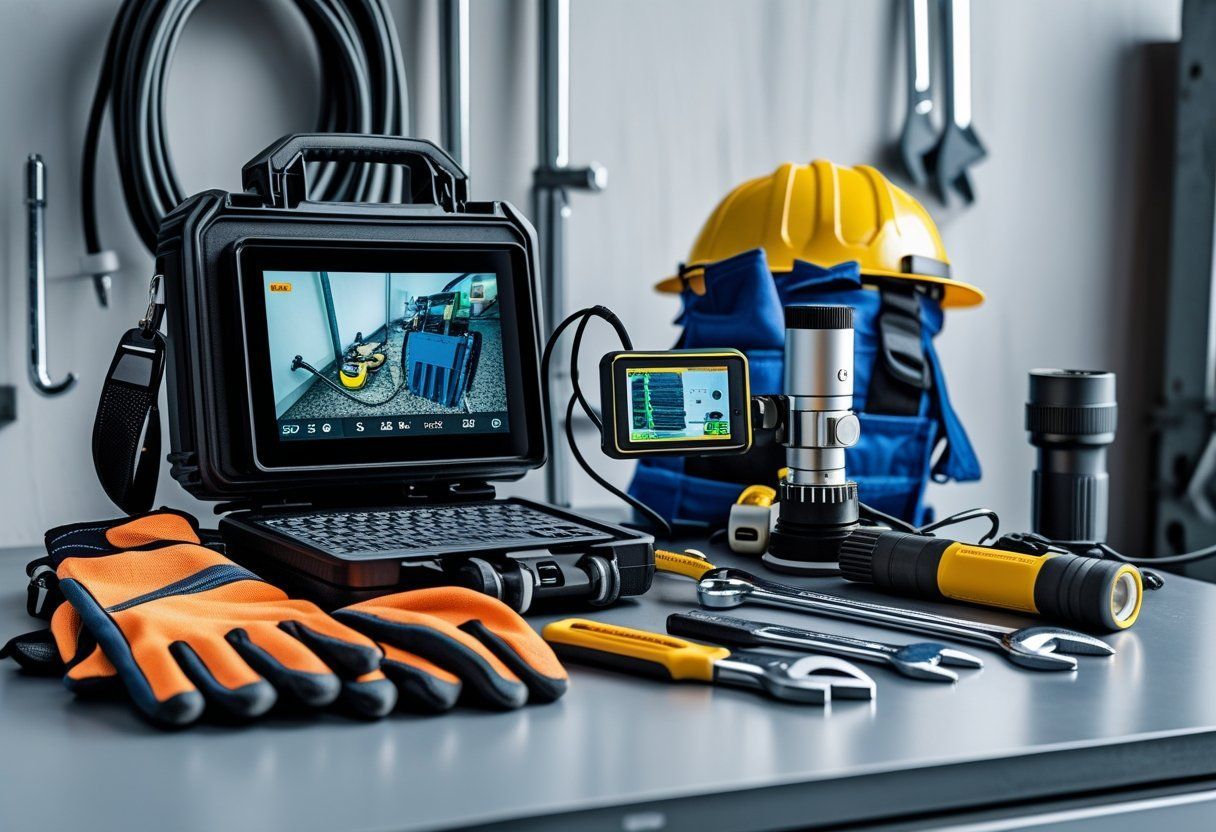
A professional plumber can perform a sewer line inspection to confirm the cause. Using special equipment, they can locate tree root intrusions, cracks, or buildup that restricts flow. Acting quickly can prevent wastewater from backing up into sinks, tubs, and floors.
Hiring a professional plumber also ensures work meets local code and safety standards. They have the right tools and experience to handle sewer line repairs safely. Delaying help may worsen blockages, create health hazards, or lead to higher repair costs later.
Professional Drain Cleaning Methods
Professional drain cleaning offers several reliable methods. Common options include mechanical drain cleaners, augers, and hydro jetting, which uses high-pressure water to remove stubborn debris. Hydro jetting works well for grease, soap, and mineral buildup, restoring pipe efficiency.
We should rely on professionals to decide when hydro jetting is safe, as older or damaged pipes may need gentler cleaning methods. Some plumbers also use enzyme-based cleaners for maintenance between major cleanings.
Before cleaning, a camera inspection helps verify the condition of the line. After cleaning, the plumber often flushes the system to check flow and confirm that blockages are fully cleared. Keeping up with periodic cleaning helps prevent future clogs and reduces stress on the pipes.
Inspection Tools and Modern Repair Options
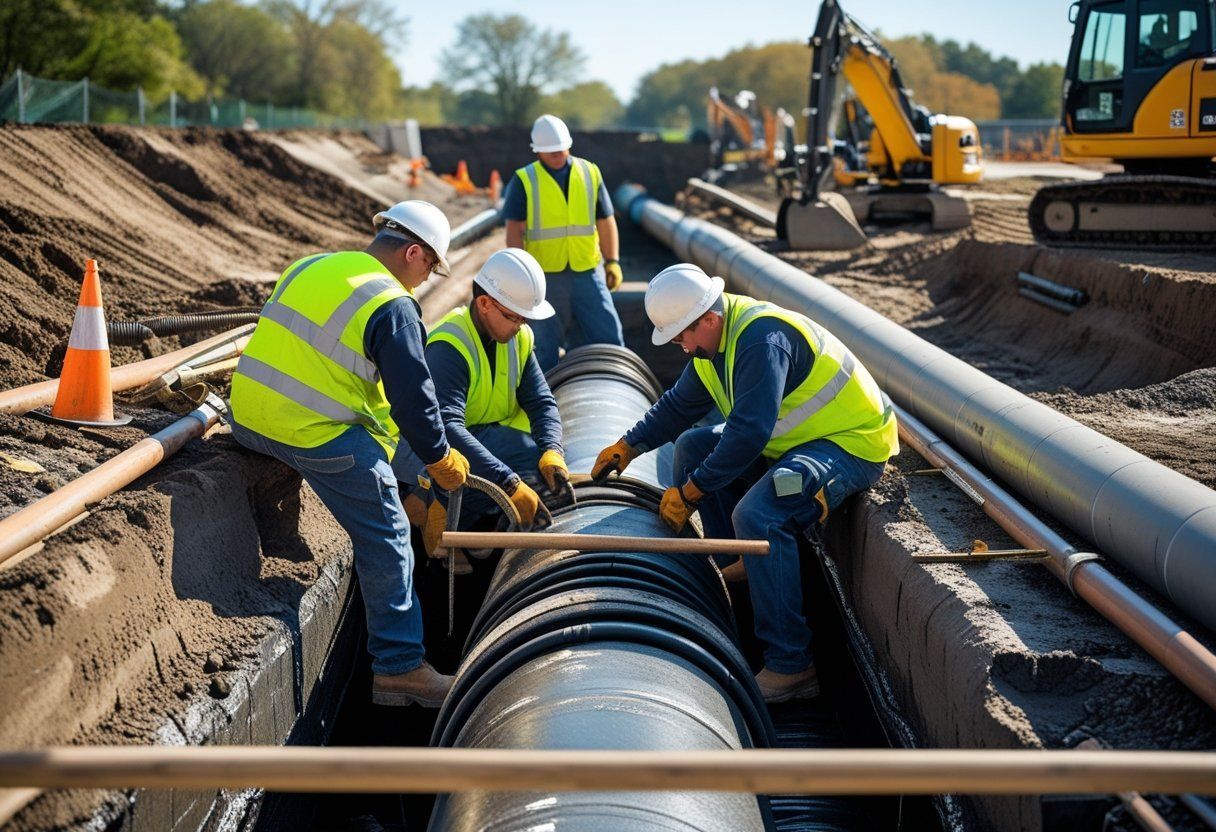
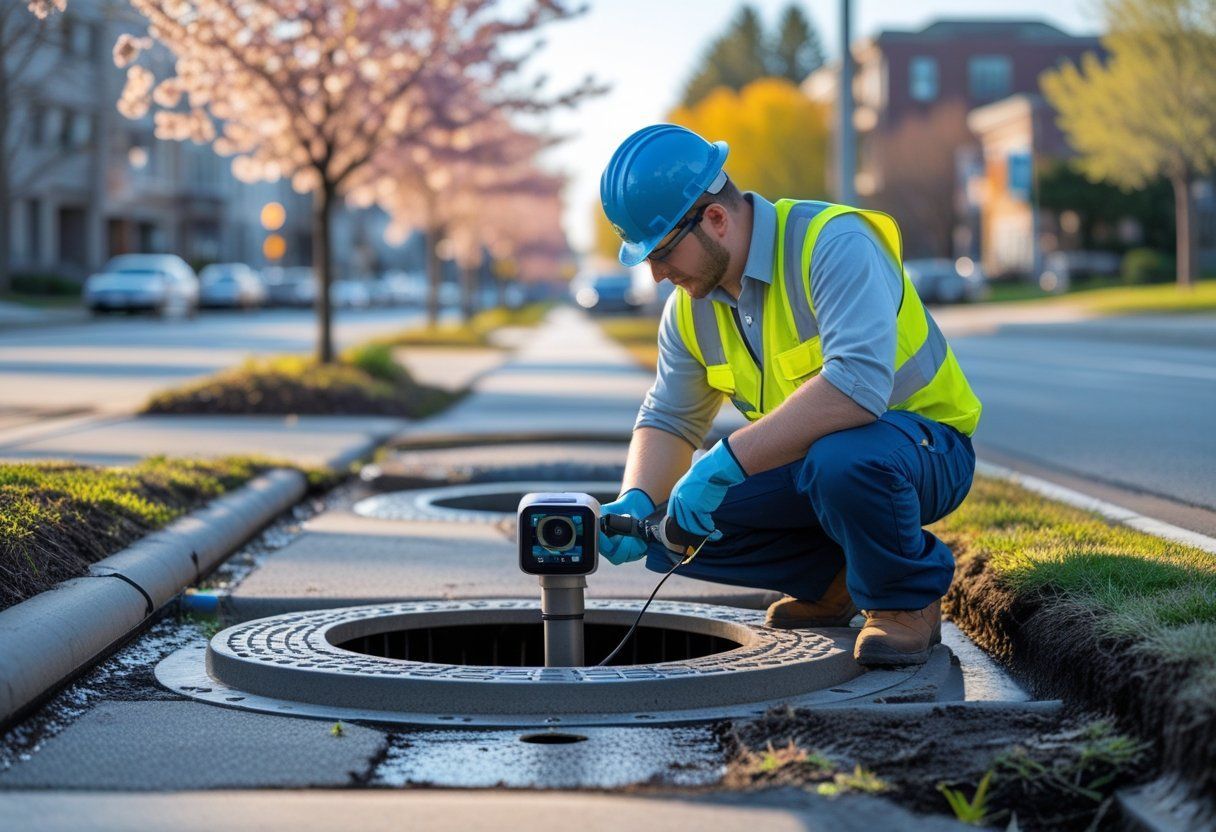
Modern sewer line inspection tools give us precise information before opening the ground. Camera inspections let us view pipe interiors in real time to find cracks, leaks, or root intrusion. Smoke testing can reveal hidden leaks that let gases escape into living spaces.
If we find problems, several sewer line repair methods are available. For minor cracks or corrosion, pipe lining creates a new layer inside the old pipe without full replacement. For more serious damage, partial excavation may still be needed, but technology can often limit disruption.
Licensed plumbers use digital locators and mapping software to mark the exact repair spot. This reduces unnecessary digging and saves both time and cost. Regular inspection every few years helps us track pipe condition and plan timely maintenance.
Health and Pest Hazards to Watch For
Sewage leaks can create health hazards such as exposure to bacteria, mold, and foul gases. Even small leaks beneath floors or in the yard can harm indoor air quality. We must act quickly when we notice unusual odors or damp areas around drains.
Cracks and breaks in sewer lines attract pests and rodents. They can follow the smell or warmth of sewage and enter through open joints. Signs of pest activity may include droppings, gnaw marks, or movement around drain openings.
We should not ignore these issues. Pest entry often shows a break or gap in the system that needs immediate attention. Addressing leaks and sealing access points protects the property from contamination and structural damage.