How Regular Inspections Can Prevent Serious Sewer Issues And Protect Long-Term Infrastructure

Many people don’t think about their sewer system until something goes wrong. By that point, repairs often cost more and cause major stress. Regular inspections help prevent serious sewer issues before they become expensive emergencies. They give us clear insight into early warning signs that we might otherwise miss.

When we schedule routine checks, we protect our property and keep our system running efficiently. Simple maintenance steps can stop backups, blockages, and leaks that damage pipes over time. With the right inspection plan and professional help, we gain peace of mind knowing our system stays in good condition year-round.

How Regular Inspections Prevent Serious Sewer Issues

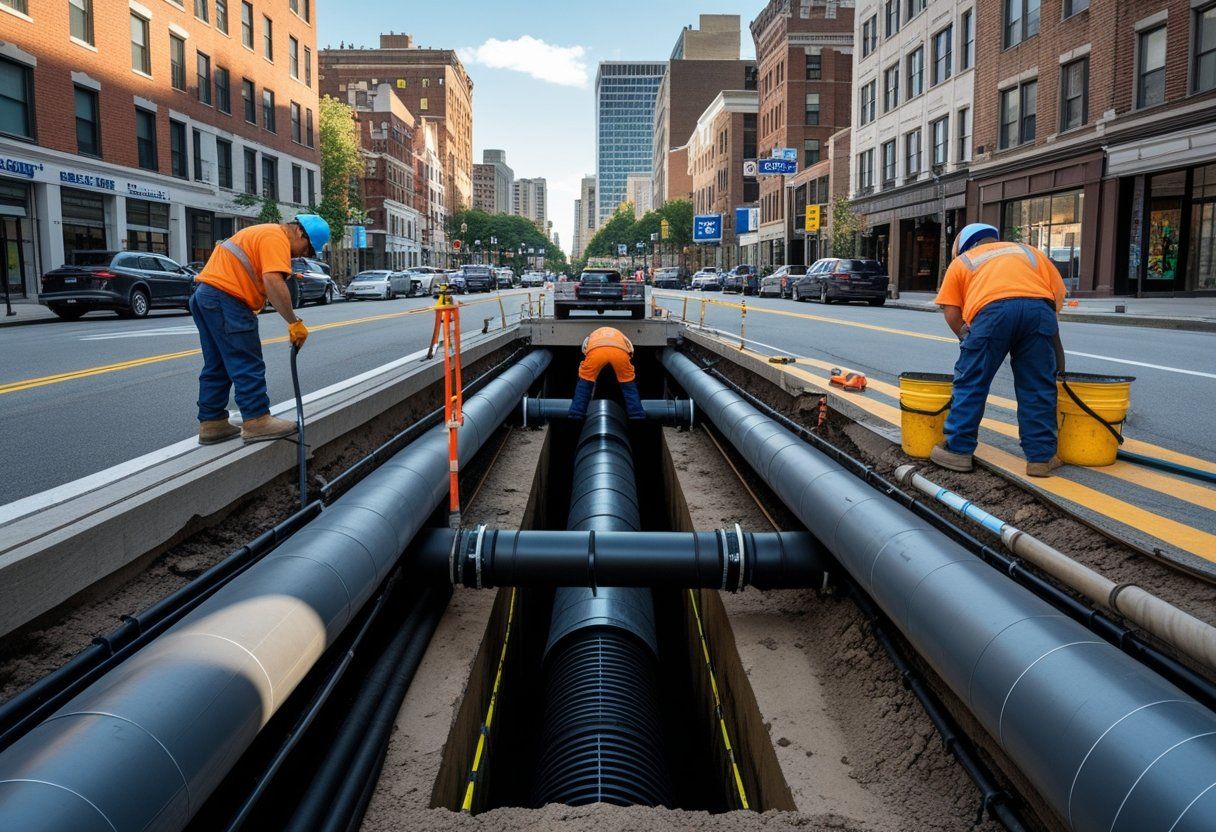
Technician operating a sewer inspection camera near a manhole on a city street.

Regular inspections allow us to find problems in the sewer system early, reduce repair costs, and extend the life of our plumbing system. By checking for buildup, damage, and root intrusion on a routine schedule, we can prevent sewer backups and other serious issues before they cause expensive damage.

Early Detection of Blockages and Clogs

Regular sewer line inspections help us find blockages and clogs before they stop the flow of wastewater. Small items like grease, paper products, and debris can build up over time. If we identify these early, we can remove them through cleaning methods such as hydro jetting.

We often use camera inspections to look inside sewer lines and locate trouble spots. This process shows signs of narrowing pipes or buildup. Once found, these areas can be cleared to prevent sewer backups later.

Early detection also lets us plan preventive maintenance instead of paying for emergency repairs. The cost of a scheduled cleaning is usually far less than the cost of fixing a burst or blocked pipe. Keeping the pipes clear protects both our property and our peace of mind.

Mitigating Risks of Tree Root Intrusion

Tree root intrusion is one of the most common causes of long-term sewer line issues. Roots naturally seek moisture and can enter even the smallest cracks in aging pipes. Over time, they grow larger and block the pipe, leading to backups and slow drains.

During regular inspections, we can see the early signs of root intrusion. Tools like video cameras and root cutters allow us to assess how far roots have grown into the system. Once detected, we can use root removal methods such as mechanical cutting or safe chemical treatments to stop the growth.

Addressing roots early helps us avoid broken pipes and costly excavation. It also extends the life of our sewer lines by keeping joints tight and preventing further cracking. This preventive approach limits stress on the entire plumbing system.

Preventing Major Sewer Line Damage

Routine inspections also help us find signs of pipe corrosion, sagging sections, and leaks before they cause major sewer line damage. Pipes wear down with age, and older materials like clay or cast iron are especially vulnerable to cracks.

By examining these lines regularly, we can plan preventative maintenance or repairs at the right time. Replacing a damaged section early is usually much cheaper than fixing a full line collapse. This helps us prevent costly repairs and maintain system reliability.

A simple inspection schedule also helps track the condition of pipes over many years. When we monitor the same areas, we notice small changes that might indicate future problems. This steady process keeps the entire sewer system running efficiently and safely.

Key Signs and Common Problems Detected During Inspections

Routine inspections reveal early warning signs like backups, leaks, corrosion, and unusual sounds that help us address sewer problems before they become costly repairs. By checking these signs in time, we can prevent water damage, protect health, and keep the plumbing system working properly.

Sewer Backups and Water Damage

Sewer backups often signal a blockage in the main line. When wastewater cannot move freely, it can back up into sinks, toilets, or drains. This situation poses health hazards due to bacteria and waste exposure.

We usually notice dark water pooling around floor drains or lower plumbing fixtures first. Moisture can then spread to surrounding walls and flooring, leading to mold growth and structural issues. Even a small backup can damage drywall and flooring materials if we do not act quickly.

To detect potential backups early, we should:

  • Check for slow-draining fixtures throughout the home.
  • Watch for wet spots near basement floors or foundation cracks.
  • Inspect for signs of repeated overflow in toilets or tubs.

Early treatment often prevents full plumbing emergencies and reduces costly cleanup.

Identifying Leaks, Pipe Corrosion, and Deterioration

A sewer line leak can occur from small cracks, seal damage, or worn joints. Over time, wastewater seeps into surrounding soil or walls, creating foul odors and soggy patches above buried lines. Inside the home, leaks may appear as isolated damp areas beneath pipes or in basements.

Pipe corrosion weakens metal pipes. Rust and mineral buildup narrow the pipe interior and restrict flow. We can sometimes spot corrosion by looking for discolored water, flaking metal, or visible rust near fittings.

Pipe deterioration affects both metal and older clay pipes. As materials age, they weaken from soil pressure or tree root invasion. Regular camera inspections help pinpoint these weaknesses so we can repair sections before they collapse. Detecting mild corrosion or leaks early reduces long-term repair costs and water loss.

Slow Drains, Gurgling Sounds, and Foul Odors

Slow drains indicate partial blockages within the sewer line. We often find grease buildup, hair, or soap residue narrowing pipes. These clogs allow wastewater to drain slowly, especially from showers or kitchen sinks.

Gurgling sounds or gurgling noises from toilets or drains suggest trapped air in the plumbing system. Air pockets form when water flow meets an obstruction. Persistent sounds often point to deeper issues like venting problems or a developing blockage in the main line.

A foul odor from drains or near floor grates can mean gas or wastewater is escaping. Cracks or worn seals allow sewer gases into living spaces, creating unpleasant smells and potential health hazards. Addressing these problems promptly keeps the sewer system sealed and sanitary.

Modern Inspection Methods and Professional Maintenance

We use reliable tools and proven methods to identify sewer problems early and maintain clean, working lines. These modern approaches help us find blockages, remove buildup, and ensure the sewer system lasts longer without recurring issues.

Camera and Video Inspections

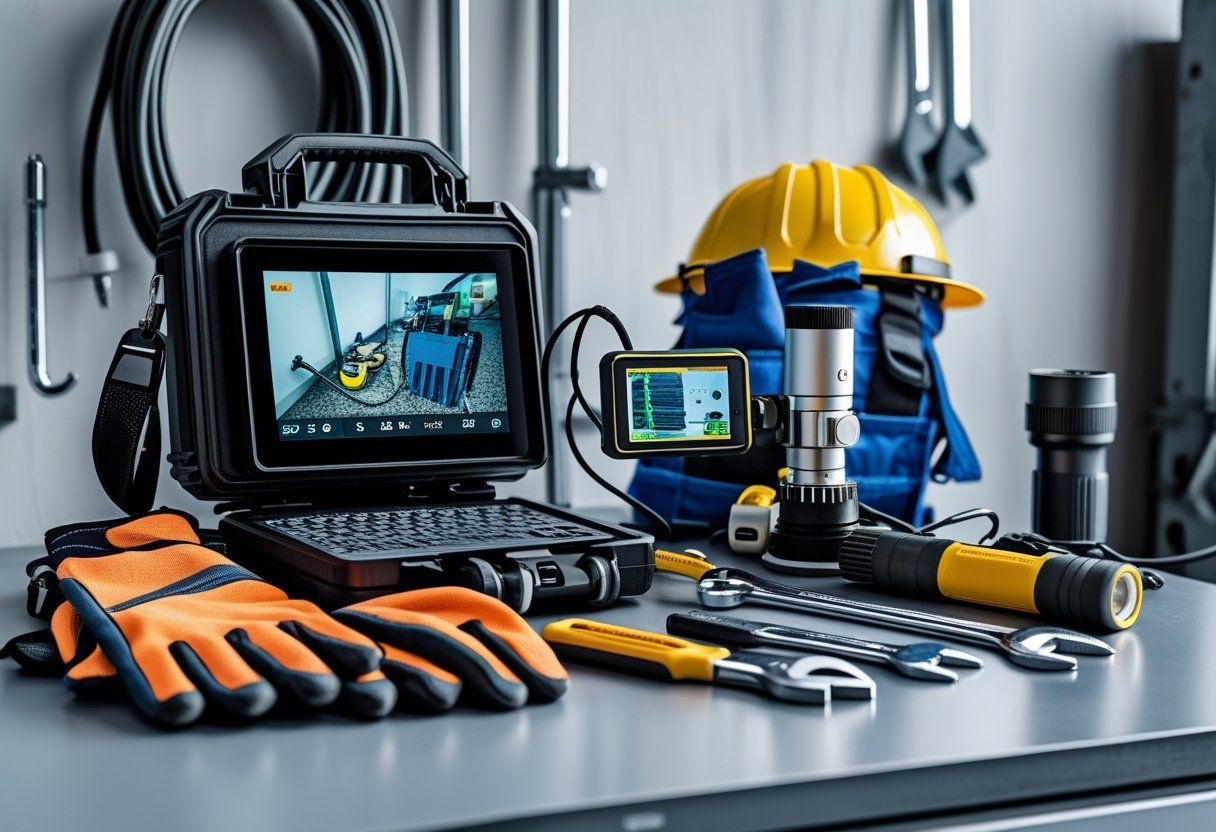
Camera and video inspections use a small, waterproof sewer camera attached to a flexible cable. We guide the camera through the line to view every section of the pipe in real time. This method helps us locate cracks, corrosion, and blockages without digging or guessing the cause.

A video camera inspection also provides a clear record of the sewer’s condition. We can save the footage for comparison during regular sewer inspections, which helps track changes over time. By identifying problems early, sewer inspections reduce repair costs and prevent emergencies.

BenefitDescription
AccuracyFinds exact location and cause of issues
EfficiencySaves time and reduces unnecessary digging
DocumentationCreates visual evidence for future reference

These inspections work for both homes and commercial properties, allowing us to plan targeted maintenance instead of reacting to severe damage.

Hydro Jetting and Root Removal

Hydro jetting uses a high-pressure water stream to clear blockages and remove stubborn buildup. We use this method during drain cleaning or after an inspection reveals debris or tree roots clogging the line.

Unlike mechanical snaking, hydro jetting cleans the entire pipe surface. It removes grease, sand, and sludge that slow water flow. This process supports long-term sewer line maintenance and helps prevent future backups.

For root invasion, we use specialized jets that cut through roots safely. Regular sewer inspections let us spot early root growth before it causes pipe cracks or breaks. After cleaning, we recommend maintenance intervals based on pipe material and property type to keep lines clear and efficient.

The Role of Professional Plumbers

A professional plumber plays a key role in keeping the sewer system reliable. We have the training and tools to perform professional sewer inspections, evaluate results, and recommend cost-effective repairs.

Using professional plumbing services ensures the work meets code and protects property value. A licensed plumber knows how to handle camera tools and hydro jetting equipment safely.

We also create service plans that fit each property’s needs. Regular visits by trained professionals keep minor issues from turning into expensive damage, extending the life of the entire system.

Long-Term Benefits of Regular Sewer Inspections

Regular inspections help us spend less money on emergency repairs, keep our sewer system working longer, and protect our health and property. They also make home maintenance easier by finding problems early before they require major sewer line repair or replacement.

Reducing Repair and Replacement Costs

When we inspect our sewer systems on a regular schedule, we can detect cracks, clogs, and leaks before they turn into serious damage. Small issues cost much less to fix than a full sewer line replacement or excavation. Preventing buildup of grease, tree roots, or debris keeps maintenance predictable and avoids surprise expenses.

We often notice that homes with consistent inspections have fewer emergency repairs. Those unplanned calls can cost several times more than routine service. Regular checks also let us plan repairs at convenient times and budget for them.

Inspection FrequencyPotential Savings
Every 12 monthsUp to 30% lower repair costs
Every 24 monthsModerate savings, less risk

By identifying potential faults early, we extend the value of past sewer line repairs and maintain steady expenses instead of sudden, large bills.

Extending Sewer System Lifespan

Clean, well‑maintained pipes last decades longer. Regular inspections remove buildup that strains the system and causes corrosion. Over time, constant pressure on weakened joints leads to cracks and leaks that shorten the sewer’s lifespan.

When we use cameras to check the condition of our lines, we get accurate data that guides maintenance decisions. Knowing where deterioration begins allows for targeted sewer maintenance instead of replacing entire sections unnecessarily.

Investing in this proactive approach not only delays sewer line replacement but also means less disruption to our property. A longer‑lasting sewer system also supports stable water flow and safer waste removal, which reduce future maintenance demands.

Protecting Health and Property Value

Broken or leaking sewer lines can expose our property to harmful bacteria and unpleasant odors. Regular inspections help us prevent these issues and keep the environment around our home safe. They also reduce the risk of sewage backing up into basements or yards.

Property value often drops when buyers see signs of sewer problems. On the other hand, well‑documented inspection and maintenance records signal good home care. Many buyers appreciate evidence of responsible home maintenance and proper sewer management.

In turn, keeping our sewer system in good condition safeguards health, maintains property value, and ensures that our home remains a clean and safe place to live.