Gurgling sounds coming from your drains can be easy to ignore, but they often point to a problem that needs attention. When water gurgles in your pipes, it usually means air is trapped in your sewer line, which can signal a blockage or venting issue. Ignoring it can lead to slow drains, foul smells, or even sewage backups.
We’ve all heard those strange bubbles after a flush or while running the sink. They might seem harmless, but they can reveal what’s happening inside your plumbing system. By understanding what causes the noise and what it says about your sewer line, we can take steps to spot trouble early and prevent costly repairs.
In this post, we’ll look at what gurgling means, what causes it, and how to diagnose and fix the issue before it gets worse.
Understanding Gurgling Sounds in Your Sewer Line

Gurgling water or bubbling noises often point to airflow or blockage issues inside our plumbing system. These sounds can tell us how well waste and air move through our pipes and vents, helping us find early signs of sewer line problems before they grow worse.
What Causes Gurgling Noises?
Gurgling noises usually happen when air struggles to move through drains or pipes. When wastewater flows but air cannot escape easily, the trapped air forces bubbles upward, creating that gurgling sound in sinks, tubs, or toilets.
This noise can come from several common sources:
- Partial clogs in the drain or sewer line
- Blocked or damaged vent pipes
- Improper drain slope that slows water movement
Sometimes gurgling sounds appear when fixtures share the same waste line. For example, flushing a toilet might cause the nearby sink to gurgle because the displaced air has nowhere else to go. If that happens often, we may be facing a developing blockage deeper in the system.
A small amount of occasional gurgling can occur naturally, but repeated or loud bubbling means the line is not venting correctly and could need cleaning or inspection.
How Air Gets Trapped in Plumbing Systems
Every plumbing system relies on airflow to maintain proper pressure and drainage. Vent pipes let air enter and exit the system, keeping water flowing smoothly through the pipes. If a vent pipe is clogged with debris, leaves, or nests, air becomes trapped.
When air cannot move freely, pressure builds up and escapes through the nearest opening; often a sink or toilet drain; producing that gurgling noise. In other cases, pipe blockages restrict both air and water movement, leading to bubbling at several fixtures.
Vent issues can also appear in older homes with outdated or poorly connected systems. We sometimes see gurgling drains in places where vent pipes are undersized or run too far from the fixtures. Proper venting ensures wastewater flows evenly and prevents unpleasant odor release.
Why Gurgling Sounds Signal Sewer Line Problems
Persistent gurgling often points to restricted flow or buildup inside the sewer line. If waste cannot move freely, it traps air pockets that push back toward fixtures. This backpressure makes the bubbling sound we hear in drains and toilets.
A simple gurgling drain can hint at larger plumbing problems such as tree root intrusion, pipe collapse, or grease buildup. These issues narrow the sewer line, forcing both air and water to compete for space. Over time, the pressure may cause slow drainage and even backups.
We should pay attention to where and when the gurgling happens. If multiple fixtures gurgle at once, the problem likely sits in the main sewer line rather than individual drains. Early attention can prevent costly repairs and restore quiet, steady drainage throughout our plumbing system.
Common Causes of Gurgling and Sewer Line Problems
Gurgling in sinks, tubs, or toilets often points to restricted air movement or disrupted water flow inside the plumbing system. These noises usually come from blockages, venting issues, pipe damage, or root growth that interfere with normal drainage and air pressure balance.
Clogs and Blocked Drains
We often find that gurgling starts with clogs in household drains. When waste, grease, food particles, hair, or soap scum build up, water cannot move freely. This leads to trapped air that escapes as bubbling sounds. A clogged drain line can also cause slow drainage and standing water in sinks or tubs.
Common areas for buildup include kitchen sinks and bathroom drains. Toilets can clog when non-flushable items, like wipes or sanitary products, get stuck in the trapway. Over time, minor clogs merge into a blocked drain or even a partial sewer line blockage.
Simple maintenance helps prevent these problems. Running hot water, using strainers, and avoiding grease disposal down drains can reduce buildup. In cases where home remedies fail, professional drain cleaning ensures the blocked drain line is cleared without damaging pipes.
Sewer Line Blockages and Damage
A blocked sewer line is a more serious cause of gurgling. Sewage buildup in the main line restricts water flow through every connected drain. We often see warning signs like slow drains, water backup, or multiple fixtures gurgling at the same time.
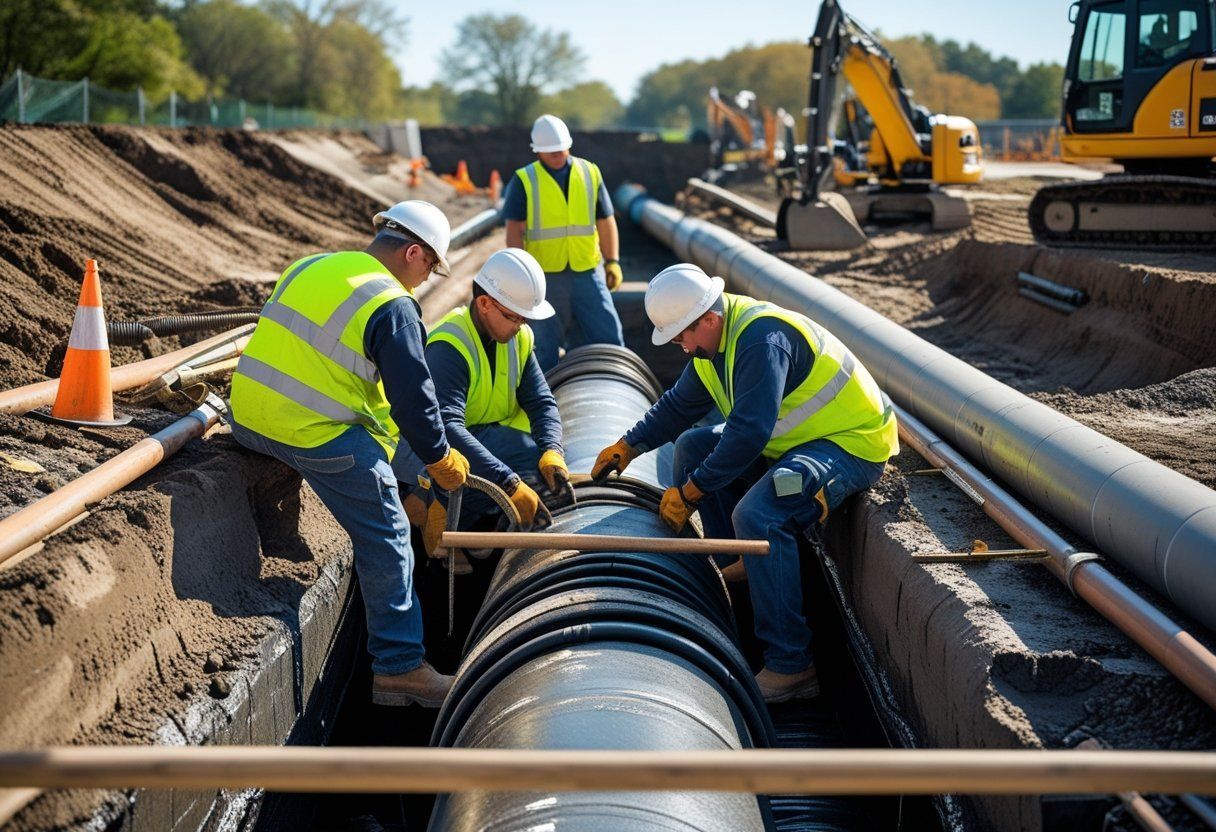
A sewer line blockage can result from accumulated waste, collapsed pipes, or shifting soil around old clay or cast-iron piping. Damage such as cracks, misaligned joints, or pipe collapse lets debris collect and slows waste movement. These sewer line problems worsen over time without prompt repair.
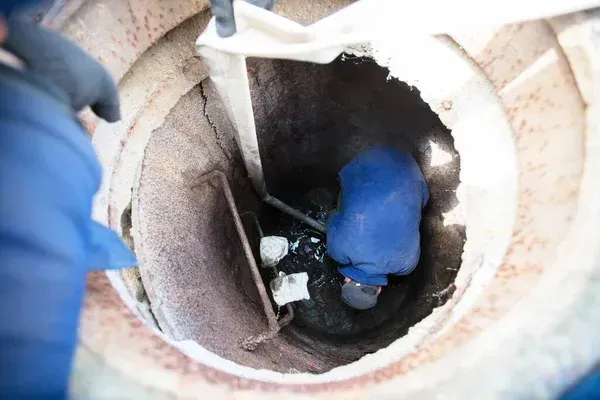
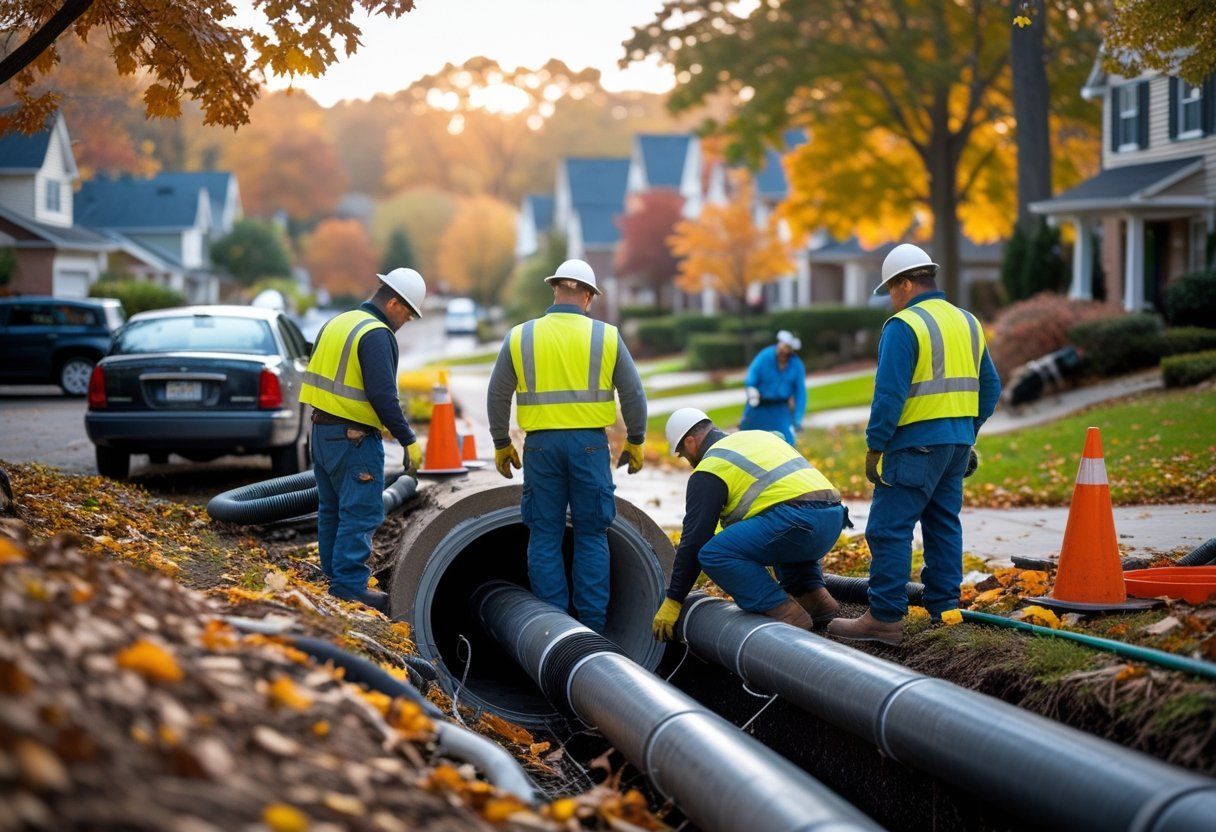
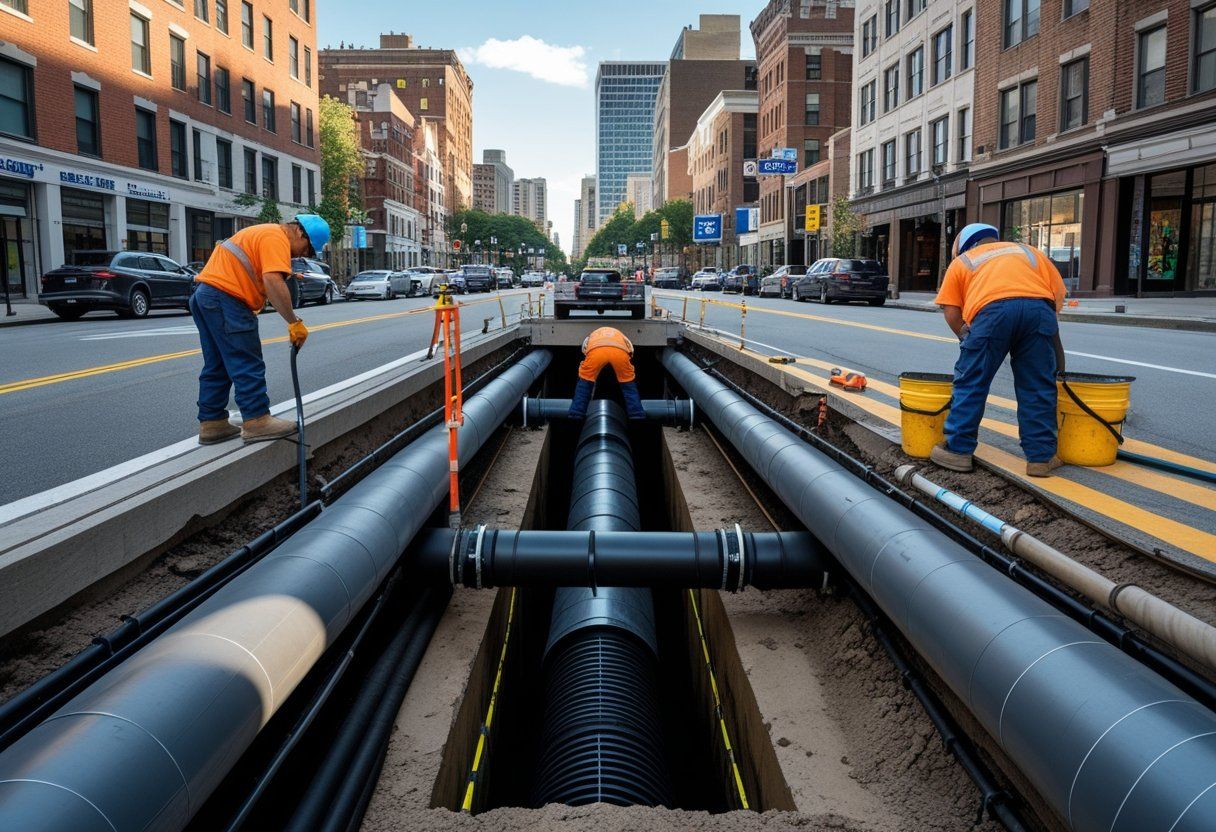
Inspecting the line with a camera helps locate the damaged pipe or obstruction. Depending on the severity, plumbers may perform hydro jetting, pipe patching, or full pipe replacement. Taking action early can prevent sewage leaks and major property damage.
Vent Pipe Obstructions and Improper Venting
We rely on vent pipes to balance pressure inside drain lines. When they are blocked or poorly designed, air cannot escape properly, causing the drain water to gurgle. Blocked vent pipes often result from bird nests, leaves, or even snow obstructing the rooftop vent openings.
Poor or improper venting can mimic symptoms of a clog because pressure builds up in the line. The sound of bubbling occurs when trapped air pushes back through the water seal in a P-trap. Toilets and tubs may drain slowly or produce bubbling noises after flushing.
To correct improper venting, a plumber can clear blockages or extend the vent system for better airflow. Ensuring vents remain clean and open supports stable water flow and prevents slow draining in multiple fixtures.
Tree Root Intrusion and Pipe Corrosion
Tree root intrusion is a hidden but common source of sewer line issues. Roots naturally seek moisture, entering pipes through small cracks or loose joints. Once inside, they expand, blocking the flow of wastewater and creating the gurgling associated with trapped air and poor drainage.
Root intrusions can break or dislodge sections of pipe, leading to pipe damage and leaks into the surrounding soil. In older homes, corrosion in metal pipes can worsen these weaknesses, making it easier for roots to penetrate or for sections of pipe to crumble.
A combination of video inspections, root cutting, and sometimes pipe lining restores function. Preventive care includes maintaining distance between large trees and sewer lines and scheduling professional inspections to identify early signs of corrosion or tree root intrusion before major damage occurs.
Warning Signs and Risks of Ignoring Gurgling Sounds
When we hear gurgling in our drains, it usually points to trapped air or blockages in the sewer line. If we ignore it, we risk sewage backing up, harmful gases entering our home, and long-term structural damage that can be expensive to fix.
Sewage Backups and Water Damage
A gurgling sound often signals that wastewater is having trouble flowing through the pipes. This can lead to sewage backups, where dirty water and waste push back into sinks, tubs, or toilets. These backups can spread bacteria and create unsanitary conditions that require professional cleaning.
If not fixed quickly, sewer water can soak into floors and walls. This moisture can weaken materials and cause water damage, including rot and mold growth. Even small leaks can lead to costly repairs when left untreated.
We can spot early signs by checking for slow drains, bubbling toilets, or damp areas near plumbing lines. Handling these warning signs early helps us avoid large cleanup costs and long-term property damage.
Foul Odors and Sewer Gas Exposure
Ignoring gurgling sounds can also cause foul odors to escape through drains. These smells often come from sewer gas, a mix of methane, ammonia, and other compounds produced by decomposing waste.
Even low levels of sewer gas can irritate the eyes, throat, and lungs. In high amounts, it may displace oxygen in enclosed spaces and become dangerous. Persistent odors often mean the vent system is blocked or there’s a break in the sewer pipe.
We can track the source by checking drain traps and vent stacks. Keeping traps filled with water and clearing blockages prevents gases and odors from entering our home’s air.
Structural and Health Hazards
Sewage and water backups can cause more than unpleasant smells or clogs. Over time, moisture from leaks can weaken wooden framing, concrete foundations, and other structural elements. These problems reduce the stability of our home and raise repair costs.
Standing water also attracts insects and rodents that spread disease. Mold from damp materials can trigger allergies and breathing issues.
We protect our property and health by fixing leaks quickly, inspecting pipes, and maintaining good drainage. Early action limits both health risks and structural harm, keeping our plumbing system reliable and safe.
Diagnosing and Fixing Gurgling Sewer Lines
When gurgling noises come from drains or toilets, they signal trapped air or blockages inside the sewer line. We can often identify the cause through simple observation, targeted cleaning, or a professional plumbing inspection using specialized tools.
DIY Solutions for Minor Gurgling Issues
We should start with easy fixes before calling a professional. A plunger can remove trapped air or a light clog in the p-trap or nearby pipes. Using strong, steady plunges helps push water and air through the line, restoring smooth flow.
If the plunger doesn’t work, a drain snake or a hand auger can reach deeper buildup. We feed the cable gently to avoid pipe damage. For mild buildup, a mix of baking soda and vinegar can break down residue without the harsh effects of a chemical drain cleaner. If we do use a commercial drain cleaner, we choose one labeled safe for our pipe type and avoid frequent use, since strong chemicals can erode plumbing over time.
Installing drain screens in sinks and showers also prevents hair, grease, and debris from entering the line. These small steps often stop minor gurgling before it becomes a major blockage.
Professional Inspection and Advanced Tools
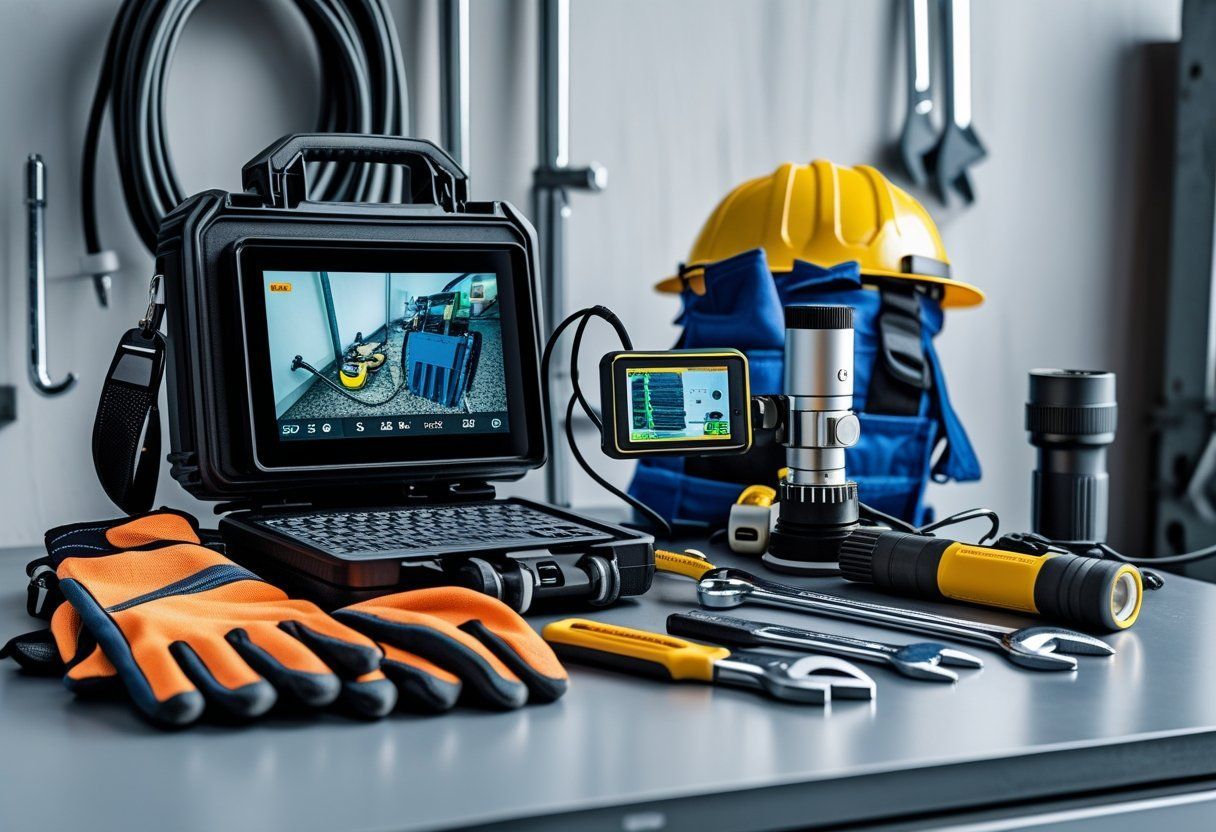
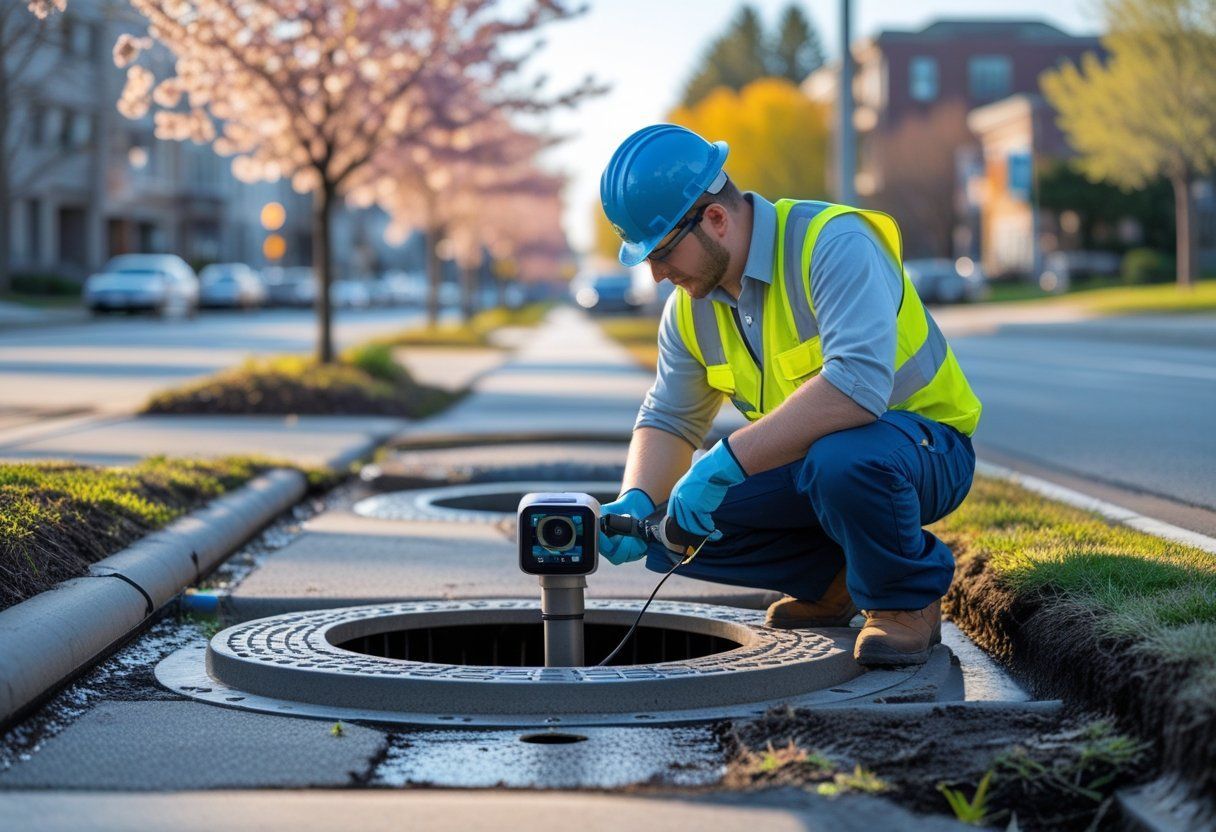
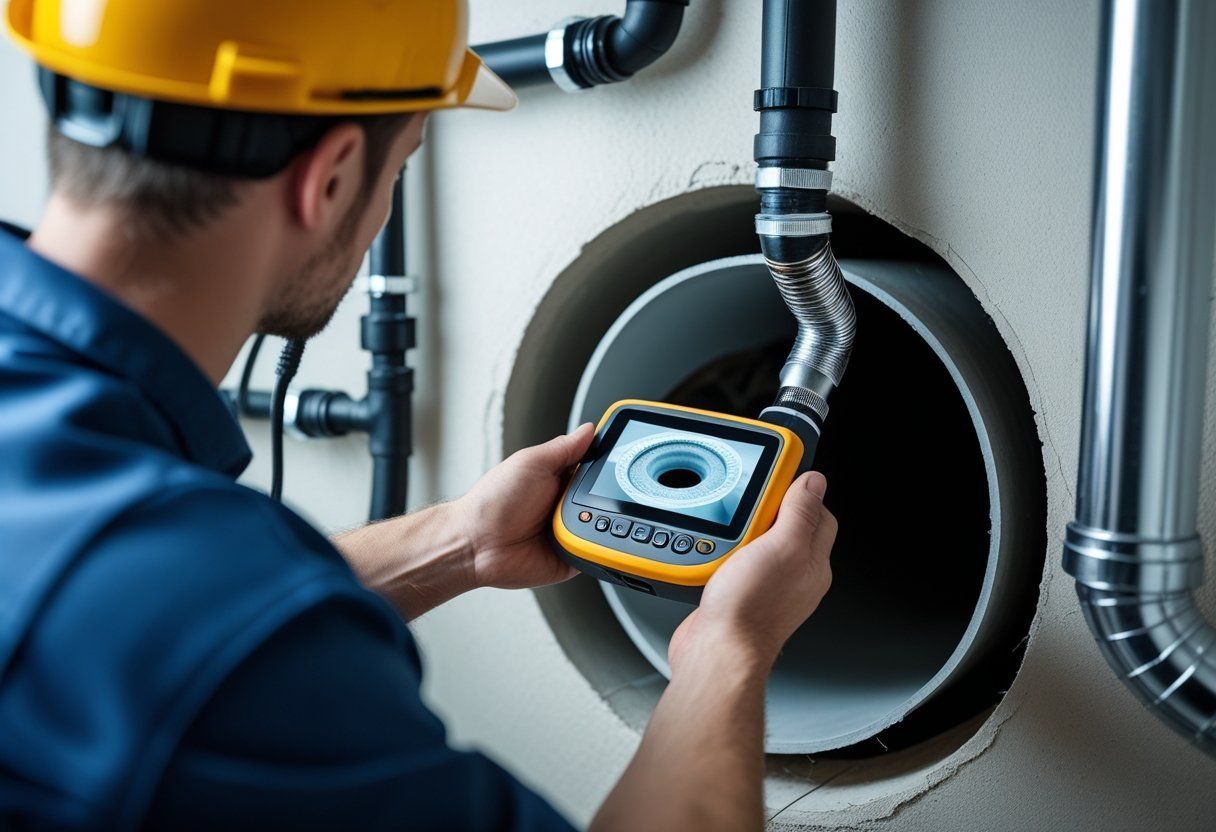
If gurgling continues after basic cleaning, a professional plumber can identify problems through video inspections. This process uses a small camera to check for cracks, buildup, or collapsed sections inside the sewer line. It helps confirm if sewer line repair or a full drain cleaning service is needed.
For heavy clogs, many plumbers use hydro jetting. This high-pressure water method clears grease, roots, and hardened debris from pipe walls without chemicals. In some cases, a full plumbing inspection also includes checking the roof vent, which allows airflow through the system. A blocked vent can trap pressure and cause the same gurgling sounds as a clog.
If we have a septic system, the plumber can check tank levels and drain fields to ensure they aren’t backing up into indoor lines. These services provide a lasting fix instead of short-term relief.
Preventative Maintenance Strategies
Keeping our sewer lines clear requires consistent preventative maintenance. Simple habits like avoiding grease disposal in sinks and cleaning drain screens regularly reduce buildup over time. We should also limit soap scum and wipe residue from bathroom drains weekly.
Scheduling professional drain cleaning every year helps flush out small blockages before they turn into larger ones. Using enzymatic or gentle cleaners monthly can maintain flow without relying on chemical drain cleaners.
In homes with older pipes or frequent backups, professional video inspections every few years can catch early signs of wear. For properties with a septic system, regular pumping and system checks keep the line free from overload. By taking small, consistent steps, we prevent gurgling sounds and maintain reliable drainage throughout our plumbing.