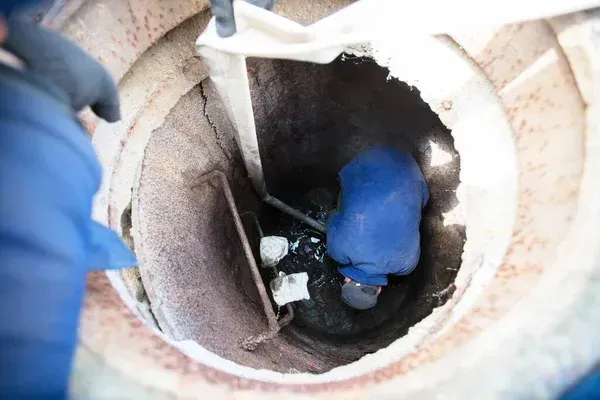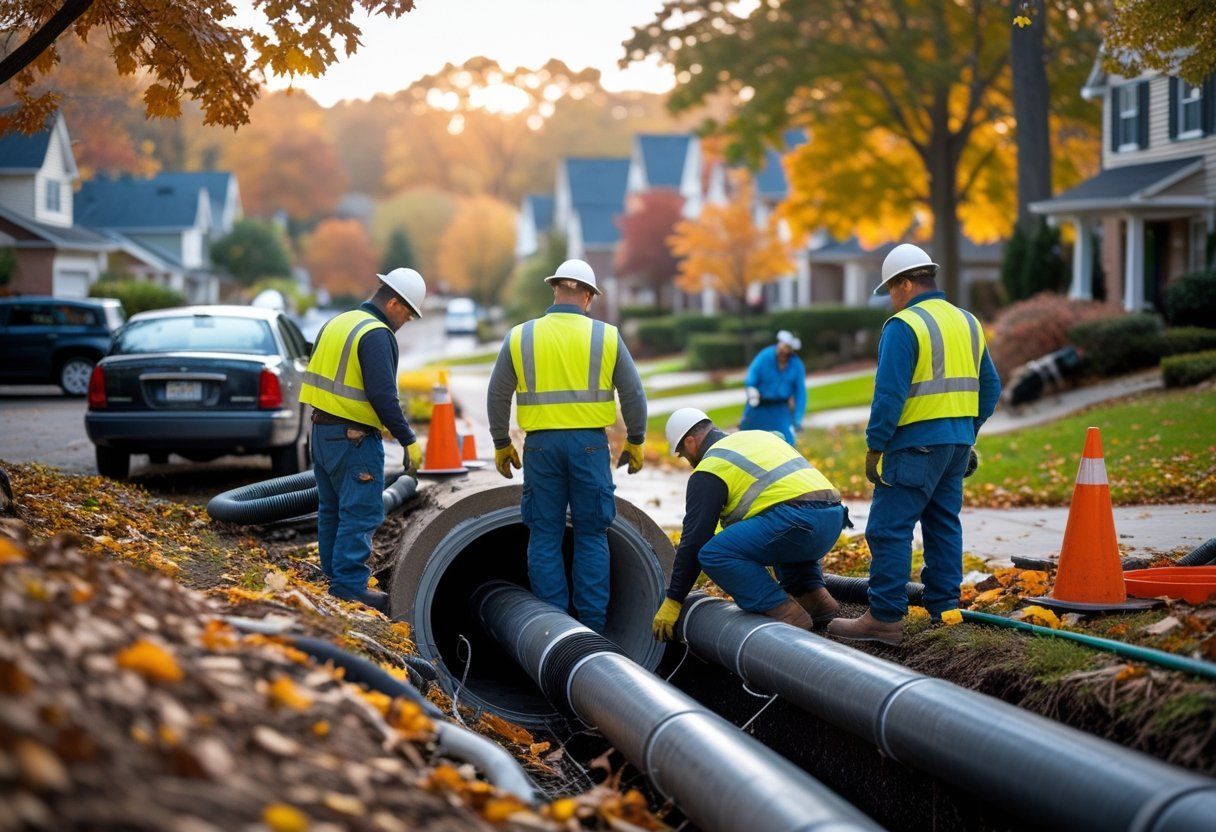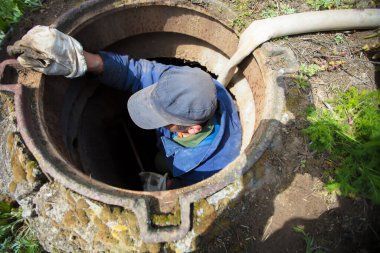
Frequent drain backups can signal bigger issues hiding in your sewer line. Ignoring them can lead to costly damage and serious plumbing problems later. Frequent backups are your sewer line’s way of warning you that something deeper needs attention.

In this post, we’ll break down what these backups mean, why they keep happening, and how to tell when you need a professional inspection. We’ll also look at common causes, practical ways to prevent future problems, and the repair options that keep your system running efficiently.
By understanding the warning signs early, we can protect our homes, save money, and avoid unnecessary stress from unexpected sewer line failures.
Frequent Backups and Your Sewer Line’s Warning System
Frequent backups often point to a deeper issue within our sewer line, not just a surface-level clog. By paying attention to changes like recurring slow drains, gurgling noises, or unexplained odors, we can catch early signs of a failing sewer system before it leads to costly damage.
Why Backups Signal Underlying Sewer Line Issues
When water or waste backs up often, it usually means our main sewer line is struggling. A single slow drain might come from a small clog in one pipe, but frequent backups across different fixtures point to a blockage in the main line that connects our home to the sewer system.
These blockages can come from tree root intrusion, grease buildup, sagging pipes, or debris that has collected over time in the drain lines. Each problem restricts flow, causing pressure that forces wastewater to reverse direction.
Ignoring these signs can cause overflows in floors or basements, leading to unsanitary conditions. By understanding that repeated sewer line backups are symptoms of a larger structural issue, we can act early to prevent failures instead of just clearing temporary blockages.
Recognizing Key Warning Signs in Plumbing Fixtures
Common symptoms of sewer line problems often start small. A slow drain in the kitchen sink or bathroom might seem harmless, but if several drains slow down at once, it suggests a problem deeper in the plumbing system.
Other clear warning signs include gurgling noises, unpleasant odors, or sewage reappearing in lower fixtures like basement drains. These sounds and smells indicate trapped air or waste buildup inside the line.
We can use a quick checklist to stay aware:
| Sign | What It May Indicate |
|---|---|
| Multiple clogged drains | Main sewer line blockage |
| Gurgling toilet | Air in sewer line |
| Bad smell near drains | Sewage backup or vent issue |
| Water backup in basement | Serious sewer failure |
By watching for these conditions, we can spot developing problems before they result in a full sewer line backup.
Understanding the Risks of Delayed Response
Delaying repairs after frequent backups can cause health risks and property damage. Sewage backups expose us to bacteria and mold, which can spread easily in damp areas like the basement. Prolonged moisture can also weaken flooring, drywall, and electrical systems.
A small repair can quickly grow into a major project if wastewater continues to overflow. Over time, the pressure may cause cracks in the main sewer line or misaligned pipe joints, leading to recurring failures.
Taking prompt action helps protect both our plumbing and our living space. Scheduling inspections, using camera diagnostics, and cleaning lines when problems begin keep our system stable and the environment safe.
Primary Causes of Frequent Sewer Line Backups

Frequent sewer backups often come from physical damage, material buildup, or outside conditions that overwhelm the system. Understanding these problems helps us find and prevent issues before they turn into expensive repairs.
Root Intrusion and Tree Root Damage
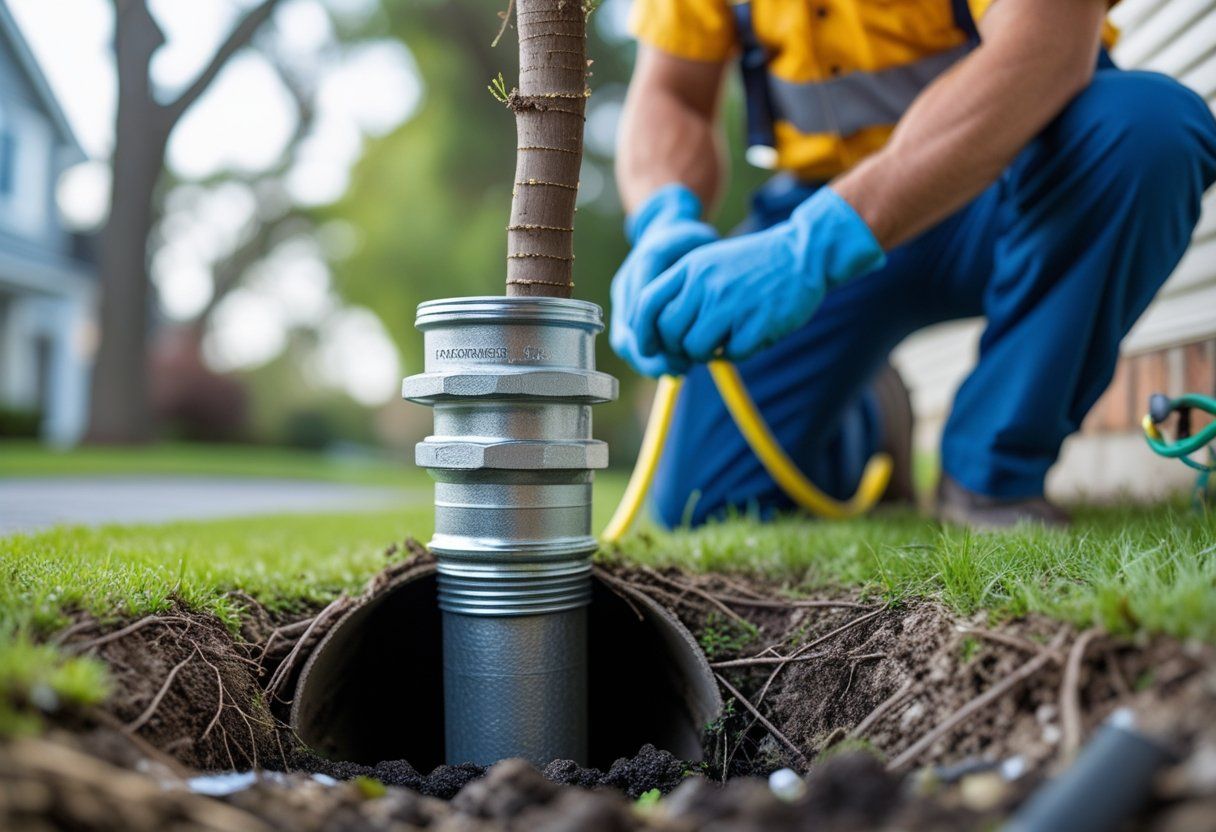
Tree roots naturally seek moisture, and sewer lines provide an ideal source. Root intrusion happens when small roots enter tiny openings or joints in pipes, growing larger over time. This intrusion can block or break pipes, restricting flow and increasing pressure in the line.
We often find tree root intrusion around older clay or concrete pipes, which are more prone to cracks and loose joints. Once roots enter, they trap paper, waste, and debris, making clogged sewer lines more common.
Regular cleaning and using root barriers or chemical treatments can help manage the problem. In severe cases, root cutting or pipe replacement becomes necessary to stop recurring backups. Maintaining a clear zone between trees and sewer lines reduces the risk of future damage.
Debris, Grease, and Improper Disposal
Clogs often form from items that should never enter the drain. Grease buildup from cooking oils, non-flushable items like feminine hygiene products or paper towels, and other waste create thick deposits along the pipe walls. Over time, these materials combine with soap and waste, narrowing the pipe and blocking flow.
Improper disposal habits play a major role. When we pour hot grease into sinks, it cools and hardens inside the pipes. Foreign objects accidentally flushed also stick to grease layers, forming dense clogs that cause sewage to back up into homes.
To prevent this, we can:
- Avoid flushing anything other than toilet paper.
- Collect grease in disposable containers instead of pouring it down drains.
- Use strainers to catch debris in sinks and tubs.
Maintaining good disposal habits keeps the line clear and reduces the risk of repeat blockages.
Aging, Corrosion, and Structural Failures
Pipes wear down over time. Aging pipes made of cast iron or clay often show signs of pipe corrosion and deterioration, especially when exposed to constant moisture and chemical waste. Metal pipes can rust and thin, leading to leaks or collapses, while clay pipes may crack under soil movement.
We sometimes see cracked pipes and line misalignment where foundations shift or heavy roots grow nearby. These faults restrict water flow and let groundwater or soil enter the system, increasing blockage risk.
Routine inspections, pipe relining, and trenchless repair methods extend the life of old systems without major digging. Addressing corrosion early controls sewer backup frequency and protects the structural integrity of the line.
External Factors: Heavy Rainfall and Municipal Sewer Issues
Even well-maintained sewer lines can back up during heavy rainfall or flooding. When stormwater enters the municipal sewer system faster than it can handle, pressure forces water back through vent pipes and drains into private lines.
Nearby construction, damaged municipal sewer mains, or shared system overloads can also trigger an unexpected sewer backup inside properties. In combined storm and sanitary systems, the risk increases during severe weather.
Installing backwater prevention valves helps block reverse flow from city lines. During storms, limiting water use at home can also reduce strain on connected sewer lines. Understanding how our system interacts with local infrastructure helps us manage backups caused by municipal or environmental factors.
Preventing and Diagnosing Sewer Line Backups
We can reduce sewer line backups by keeping our system clear, monitoring warning signs, using plumbing fixtures properly, and calling a licensed plumber when needed. Staying proactive lowers the chance of major repairs and helps maintain safe and reliable wastewater flow throughout our property.
Regular Maintenance and Inspection Practices
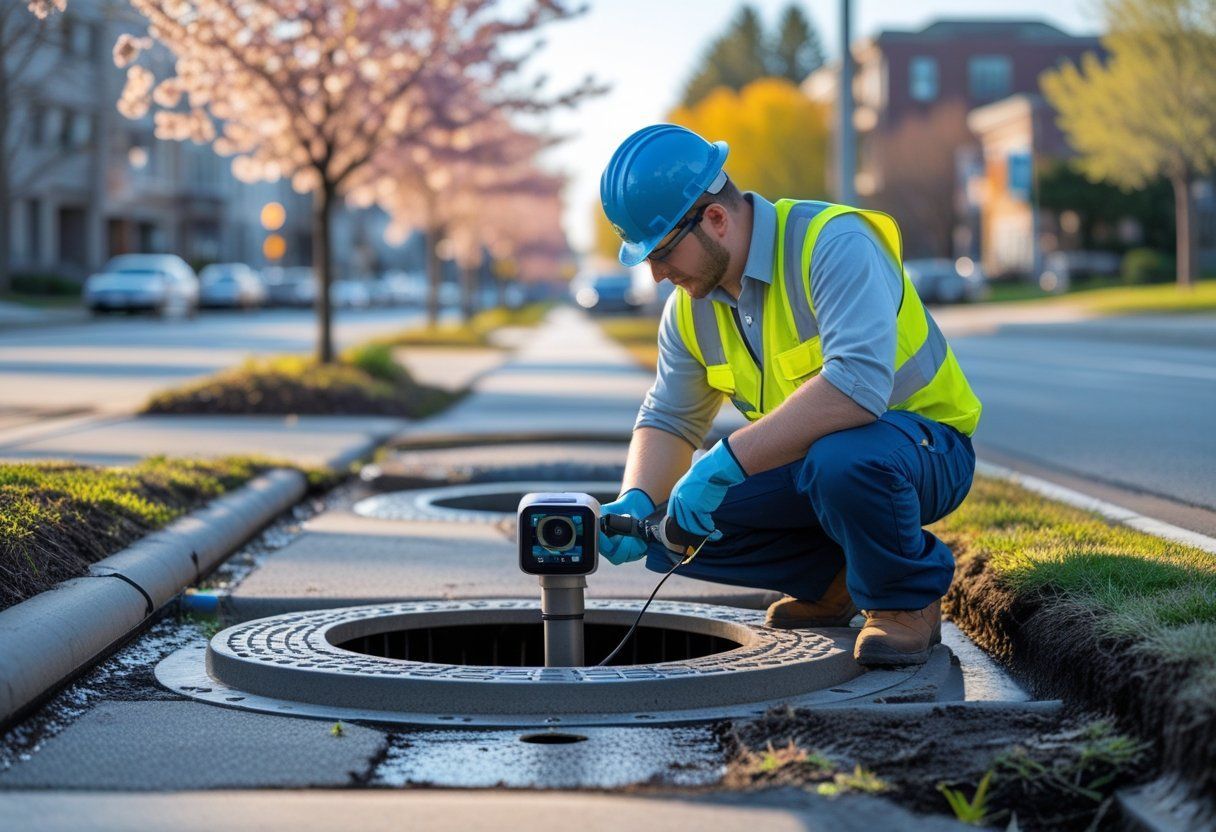
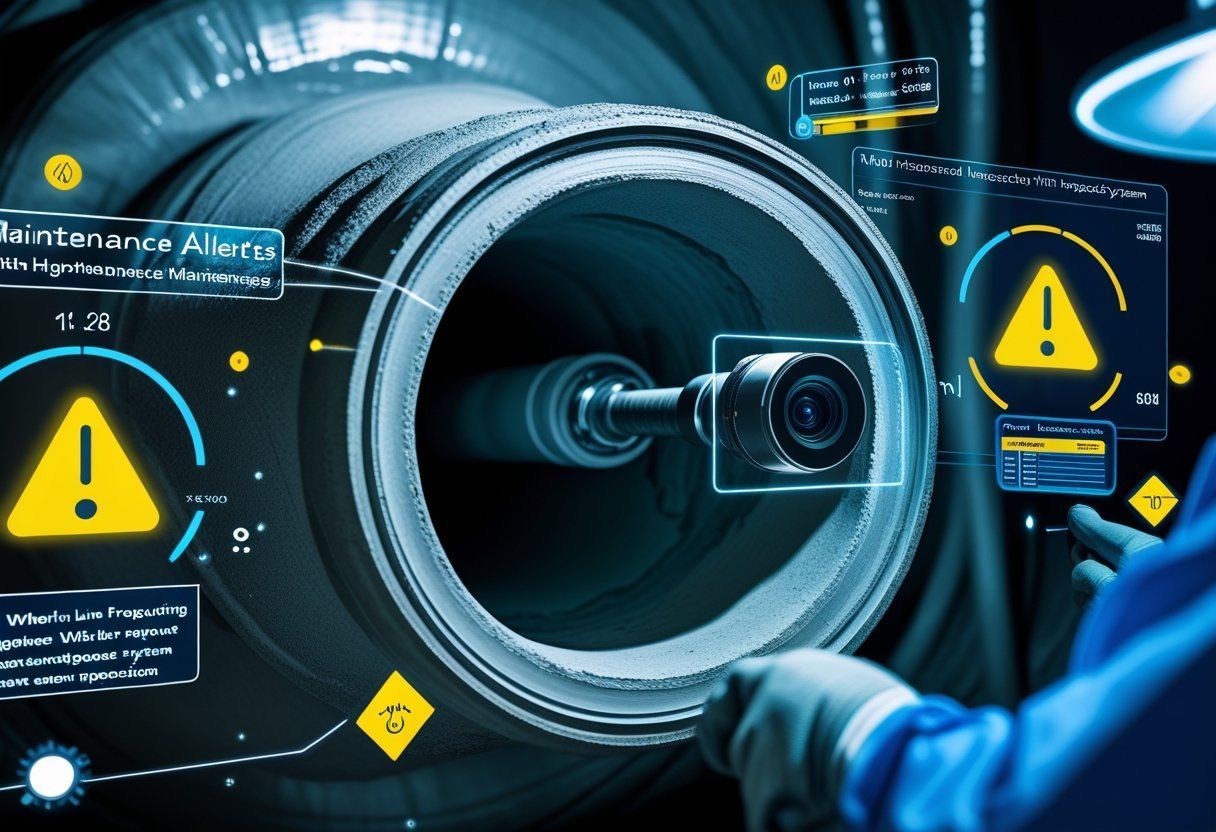
Regular maintenance keeps the residential sewer line working efficiently. We should schedule a sewer line inspection every year or two, especially for older properties or those with trees near the line. A video camera inspection or sewer scope service helps find cracks, blockages, or root intrusion before they cause a full backup.
Cleanouts play a key role. We can use the sewer cleanout to access and clear the main line with minimal digging. Regular drain cleaning using safe methods, such as hydro jetting, removes buildup that can slow flow.
A simple maintenance checklist may include:
| Task | Recommended Frequency |
|---|---|
| Visual inspection of drains | Every 6 months |
| Professional sewer line inspection | Every 1-2 years |
| Hydro jetting or mechanical cleaning | As needed or every 1-2 years |
Routine care also prevents small issues from turning into larger, more expensive problems that require emergency plumbing work.
Early Detection: Warning Signs and Professional Assessment
Early detection often prevents serious damage. We should watch for slow drains, gurgling sounds, foul odors, or repeated backups in tubs or toilets. Wet spots or unexplained patches of greener grass in the yard may signal leaks in the residential sewer line.
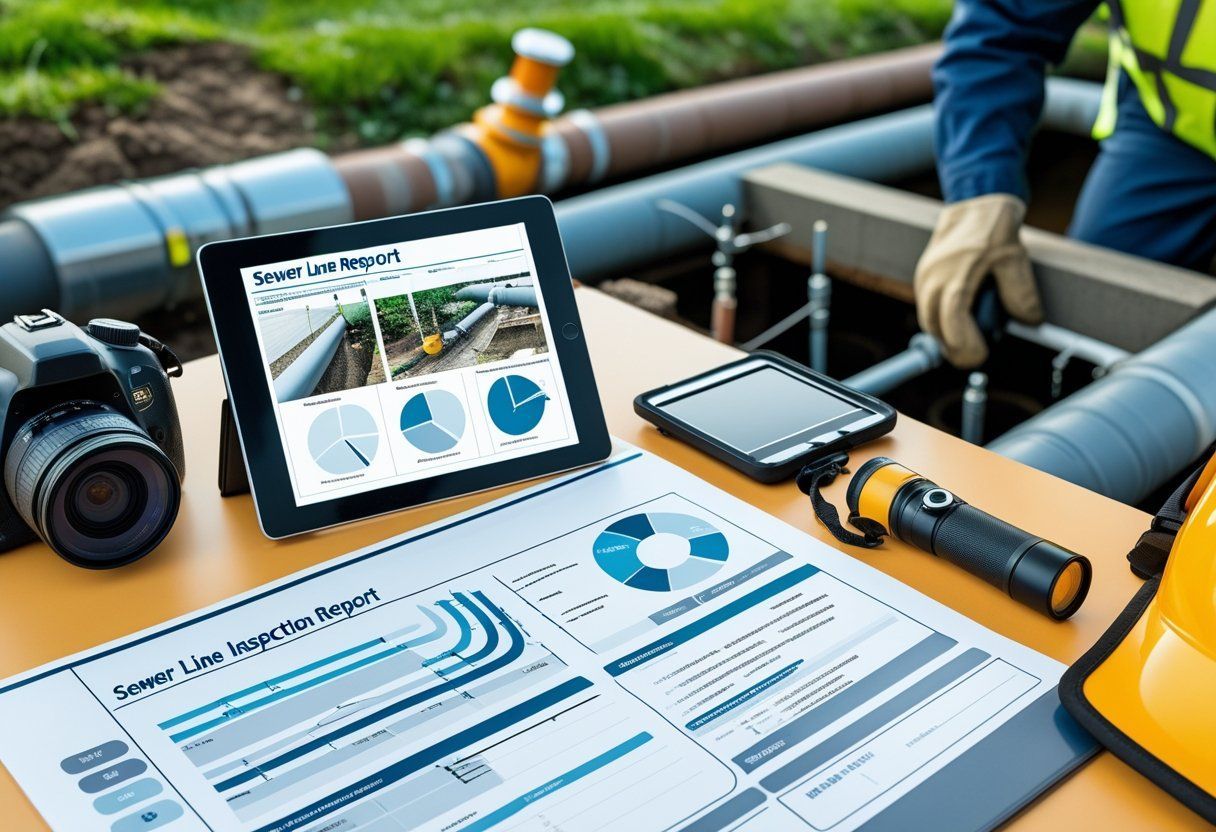
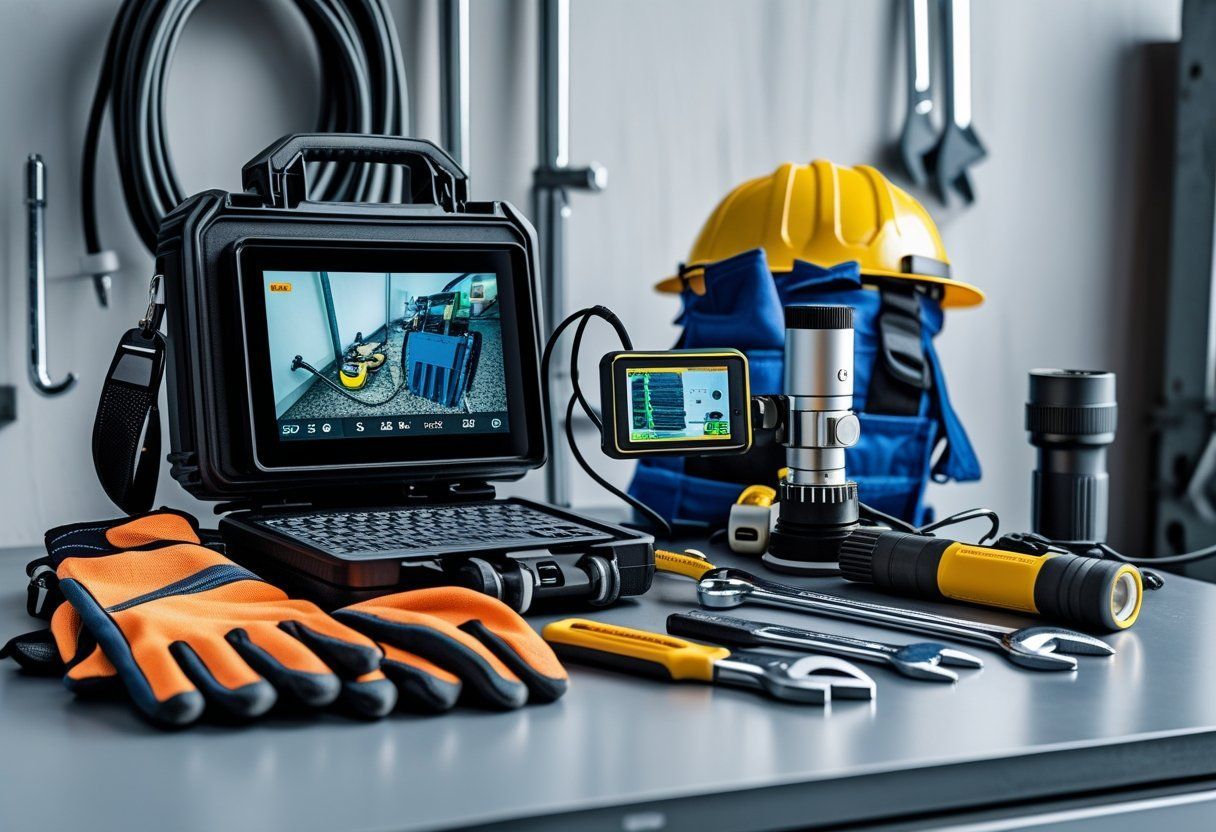
When we notice these signs, an accurate video inspection or use of electronic line locators helps locate the blockage or damage point. Professional plumbing services use these tools to avoid guesswork and reduce unnecessary digging.
A professional plumber can confirm if we have broken pipes, root intrusion, or buildup. Detailed assessments ensure that we choose the correct repair method; whether cleaning, patching, or replacement; saving both time and cost later.
Proper Use of Plumbing Fixtures and Waste Disposal
Everyday habits affect how our sewer system performs. We must avoid flushing wipes, paper towels, and hygiene products, even when labeled as “flushable.” Grease, fats, and oils should go into sealed containers for trash disposal rather than down the drain.
Overloading garbage disposals and pouring harsh chemicals can weaken pipes. Instead, we can use a plunger or drain snake to clear small clogs safely. Regular drain cleaning by professional cleaning services helps maintain smooth flow.
Installing a backwater valve adds protection from sewage backups during heavy rain. Careful fixture use extends the life of our plumbing system and reduces emergency repair needs.
When to Call a Professional Plumber
We should call a licensed plumber when backups become frequent, drains stop working despite basic cleaning, or sewage appears in floor drains. Persistent issues often indicate damage in the main sewer line that requires professional-grade tools and knowledge to fix.
A plumbing professional can perform tests, such as a sewer line inspection or hydro jetting service, to remove debris or identify broken sections. They also help locate hidden cleanouts or install new ones for easier maintenance.
Professional diagnosis and repair protect our home’s sanitary system. Trusting professional plumbing services ensures repairs meet code requirements, reduce health risks, and prevent recurring issues in the long term.
Repair Solutions and Long-Term Protection
We can restore and protect a sewer line using updated repair techniques, better materials, and consistent maintenance habits. Focusing on durable materials, proper installations, and preventive measures helps reduce future backups and costly damage.
Modern Sewer Line Repair Methods
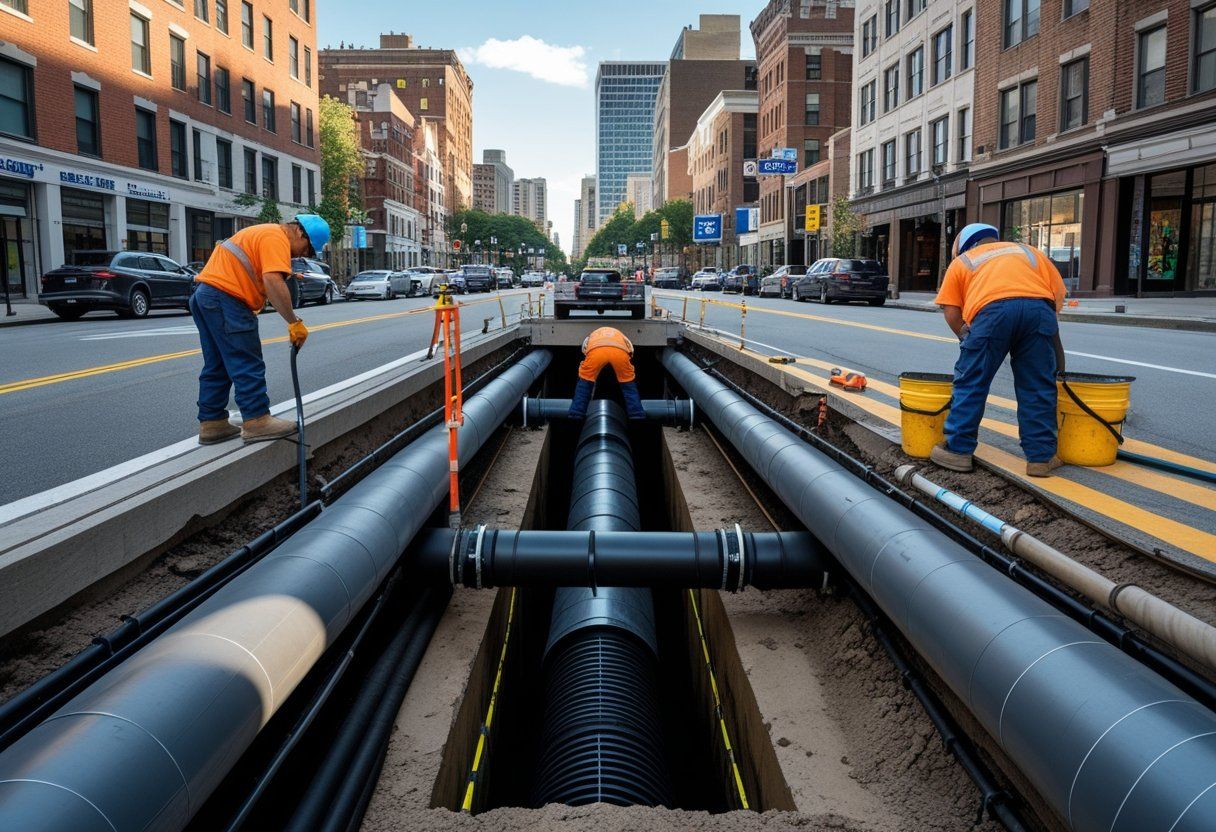
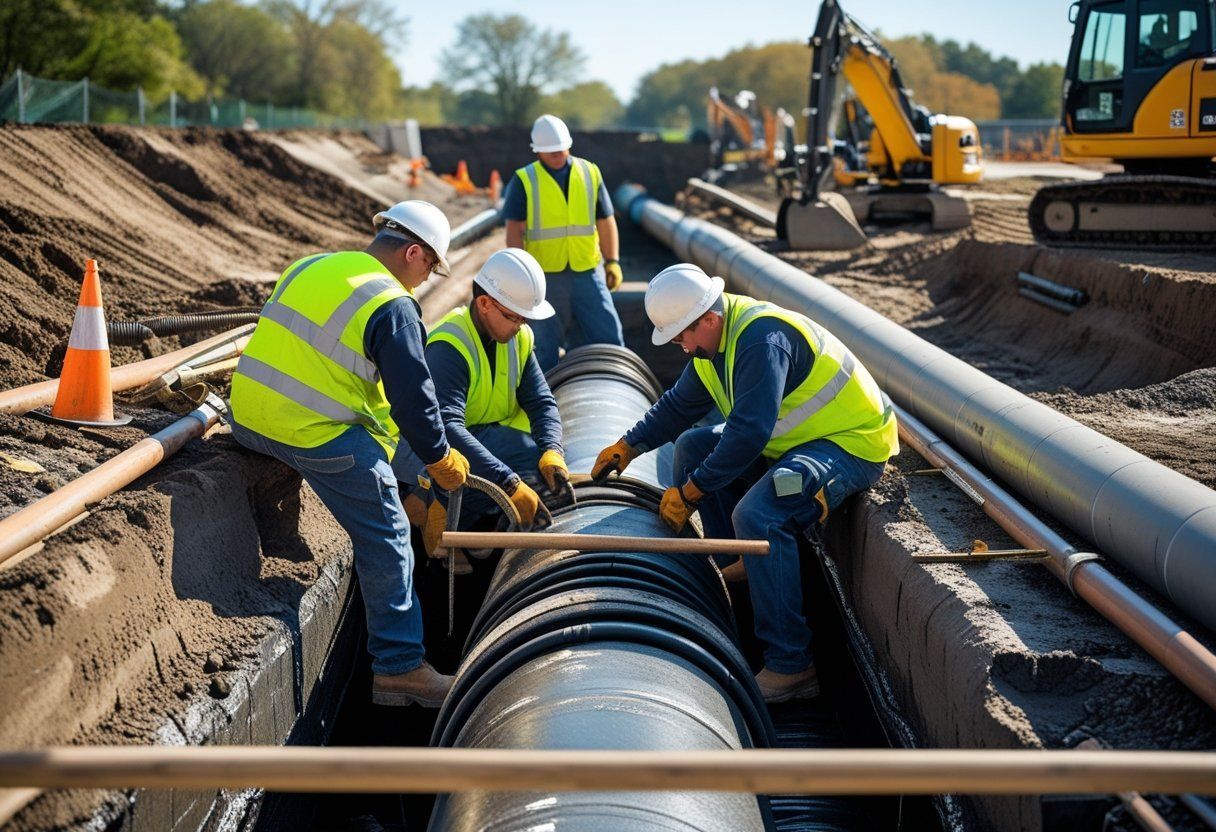
We now have several efficient ways to repair sewer lines without digging up large areas. Trenchless sewer repair uses small access points instead of open trenches, which lowers labor costs and preserves landscaping. Two main approaches are pipe bursting and cured-in-place pipe (CIPP) lining.
With pipe bursting, we pull a new pipe through the old one while breaking the damaged line outward. This works well for brittle clay pipes or cast iron pipes that have collapsed sections. CIPP lining, by contrast, places a resin-coated liner inside the old pipe and seals it with heat or UV light to form a smooth, jointless interior.
Both options reduce downtime and last as long or longer than full replacement. Regular inspection with a small sewer camera confirms that repairs hold up and helps us plan maintenance before problems return.
Upgrading Materials and Infrastructure
When repairs expose fragile or corroding pipes, replacing them with PVC pipes or HDPE (high-density polyethylene) often gives the best long-term results. These materials resist cracking, corrosion, and root intrusion.
Many neighborhoods still rely on aging infrastructure built with cast iron or clay, which tends to deteriorate faster under heavy ground moisture or shifting soil. Upgrading sections instead of patching the same problem repeatedly saves money over time.
It can also help to add root barriers near trees and use proper soil backfill to support the line. For properties with frequent flooding or groundwater issues, pairing the system with a sump pump can prevent backflow and pressure buildup that strains pipes.
Essential Homeowner Tips for Ongoing Sewer Health
We can extend the life of a sewer line through consistent care and smart habits. Avoid flushing grease, wipes, or bulky items that harden or snag inside the pipe.
Schedule periodic professional inspections to catch cracks, invading roots, and slow drainage early. A licensed plumber can use a camera scope to locate issues before they need major sewer line repair.
It also helps to keep an eye on outdoor signs such as soggy patches or foul odors. Proper yard drainage, sealed cleanouts, and timely maintenance protect both the home’s plumbing and the connected sewer repair investments we’ve already made.