Essential Tips For Maintaining Your Sewer Line Health And Preventing Costly Repairs

Keeping our sewer lines in good shape protects our homes from costly repairs and messy problems. When we understand how our sewer system works, we can spot early signs of trouble before they turn into major issues. We maintain sewer line health by staying aware, preventing buildup, and addressing small concerns quickly.

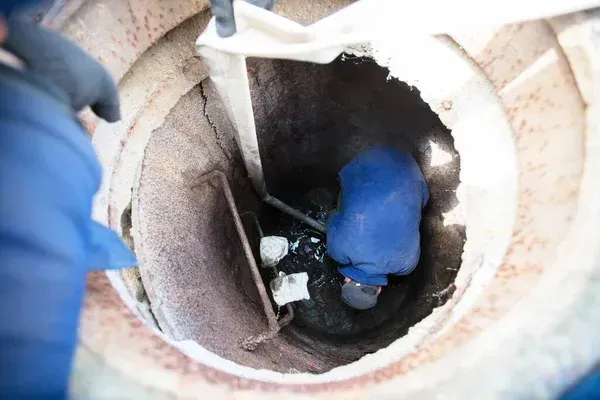
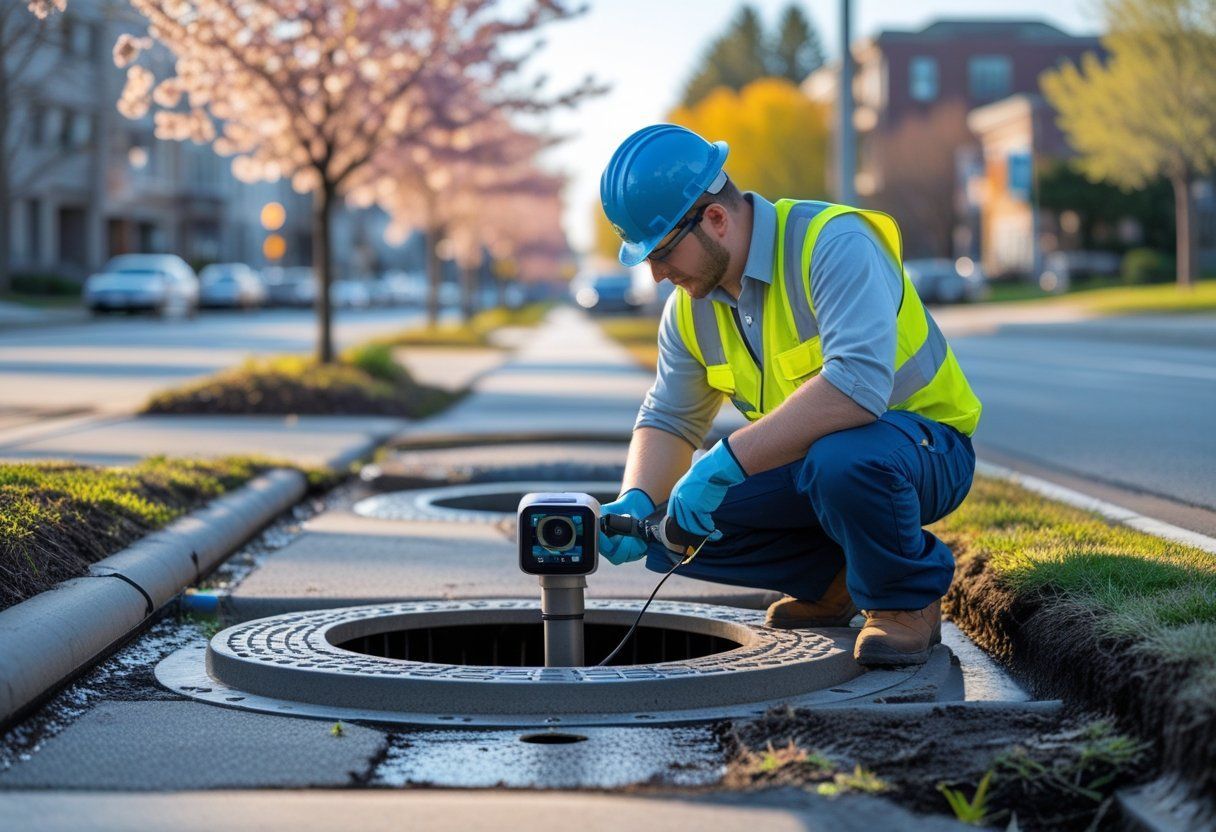
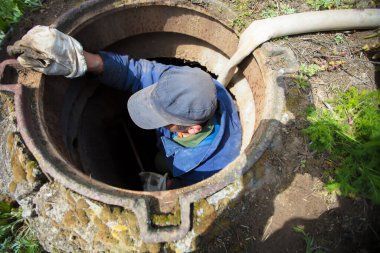
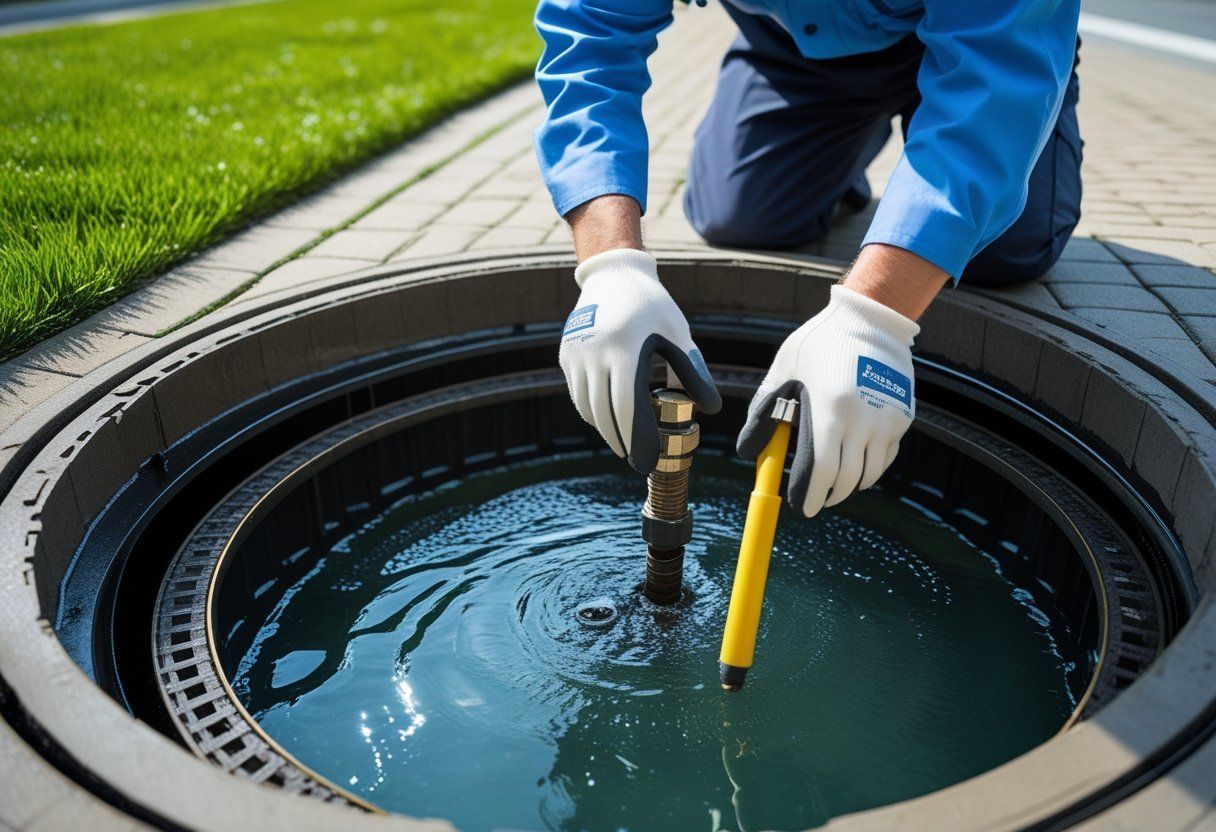
A plumber inspecting a sewer line through an open manhole outdoors with tools in hand.

We’ll look at the basic functions of a sewer line, the best ways to prevent common problems, and how to deal with tree roots and other physical hazards. Learning how to care for this hidden part of our property helps everything run smoothly. With the right maintenance steps, we can avoid emergencies and extend the life of our sewer system.

Fundamentals of Sewer Line Health

We keep our sewer system in good shape by understanding how wastewater travels, what each plumbing part does, and what usually goes wrong. Paying attention to pipe flow, venting, and warning signs helps us prevent costly damage and maintain proper drainage.

How Sewer Lines Work

Our sewer lines carry wastewater from sinks, toilets, and drains to the main sewer line. The system works through gravity, which pulls water and waste through sloped pipes toward a larger municipal or septic connection.

Each home has branch pipes that connect to a lateral line, which then flows into the main sewer line. Vent pipes allow air into the system so water can move without creating suction, keeping drains clear and balanced.

Water flow depends on proper pipe angles and clean, unobstructed connections. A clog, tree root, or break in the line can stop that flow and cause backups. Regular cleaning and quick repair of slow drainage or gurgling sounds keep the system stable.

We should also avoid flushing wipes, grease, and debris that can harden or cling to pipe walls. These simple steps support smooth wastewater movement and reduce strain on our system.

Key Components of Your Plumbing System

A plumbing system includes several connected parts that rely on each other for steady operation. These include fixtures, drains, trap systems, and vent pipes that work together to carry wastewater out safely.

ComponentRole
Drain PipesMove wastewater from fixtures to the sewer line
TrapsHold water to block sewer gases
Vent PipesBalance air pressure and help water flow
Lateral LineConnects home plumbing to the main sewer line

We depend on each part doing its job. A blocked vent can slow drain flow, while a cracked trap may let odors escape. Keeping an eye on water speed, unusual noises, or odors helps us spot trouble early.

Proper maintenance, such as routine inspections and drain clearing, protects both indoor plumbing and the larger sewer connection.

Common Sewer Line Issues

Most sewer line issues start small and build over time. Clogs, pipe damage, and root intrusion are some of the most frequent problems we face. Each can lead to slow drainage, bad smells, or sewage backups.

Grease and waste buildup can narrow pipe space, making it harder for water to pass. Tree roots can break into the lateral line, causing leaks and blockages. Cracked or sagging pipes may collect debris and lead to standing water.

We can prevent many issues through routine cleaning and camera inspections. Addressing early symptoms; like bubbling toilets or slow drains; can stop serious damage before it spreads.

Our goal is to keep flow steady from fixture to main sewer line. By combining simple habits with regular checkups, we reduce the risk of costly repairs and protect the health of our plumbing system.

Essential Preventive Maintenance Practices

We can prevent most sewer line issues by inspecting the system regularly, keeping harmful materials out of drains, using safe cleaning methods, and noticing small problems early. Consistent care reduces expensive repairs and improves how well wastewater moves through our plumbing system.

Routine Sewer Line Inspections

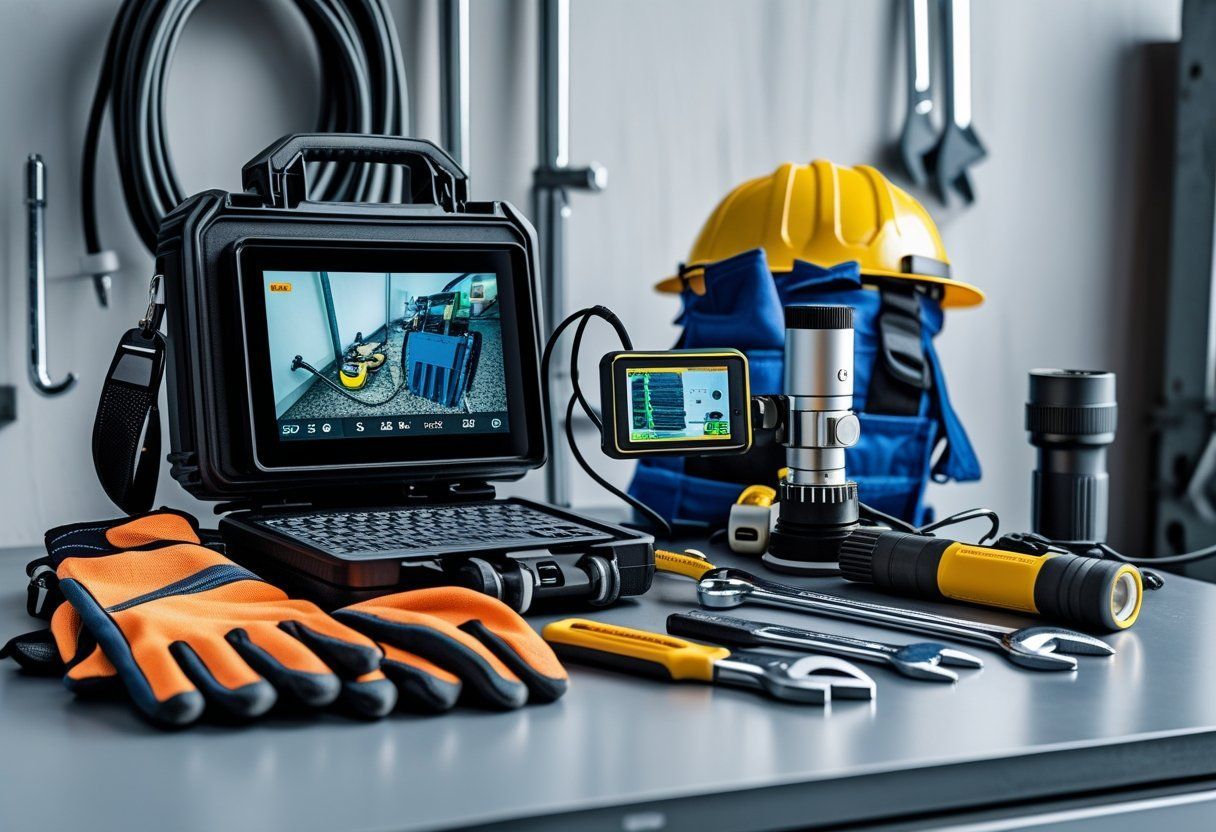
Regular inspections help us identify issues like cracks, root intrusion, or buildup before they cause sewer backups. Video camera inspections allow plumbers to see the condition of the pipe interior without excavation. These sewer camera inspections provide images of clogs or corrosion that we cannot detect above ground.

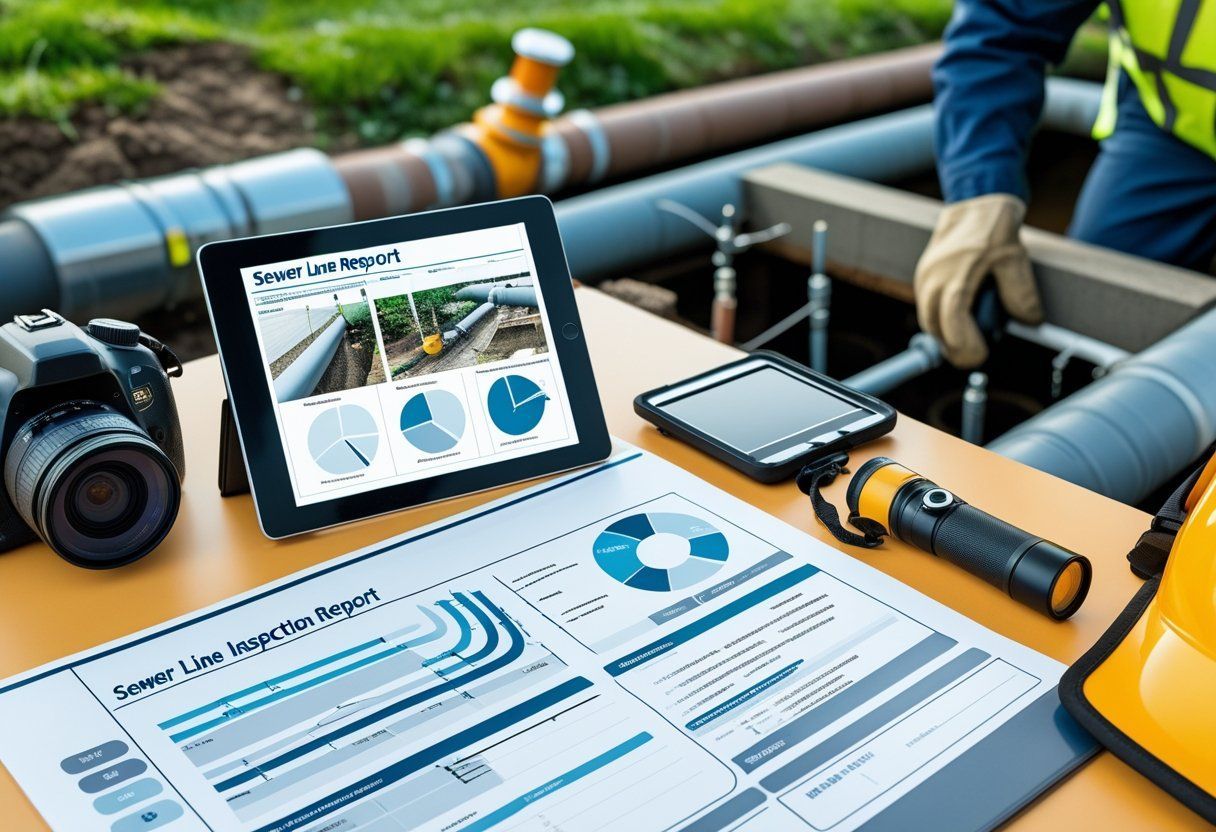
We should schedule routine inspections every one to two years or sooner if we have older pipes or tree roots nearby. Keeping inspection records helps track changes over time.

During a camera inspection, professionals insert a flexible scope through a cleanout access point. They look for early signs of wear, debris accumulation, or misaligned joints that can cause sewer line clogs or leaks. Timely maintenance after these inspections keeps the system clear and functional.

Proper Waste Disposal Habits

Good waste disposal habits protect our plumbing from blockages and buildup. We should only flush human waste and toilet paper. Items like wipes, dental floss, and feminine products are non-flushable items that can lodge in pipes and trigger sewage backups.

Kitchen sinks often cause problems as well. Grease, oils, and food scraps can solidify inside pipes. Instead of washing them down, we should collect and throw them away in the trash. Using drain strainers in sinks, tubs, and showers helps capture hair and debris before they enter the line.

Proper waste disposal reduces damage, saves on repair costs, and promotes a longer sewer line lifespan. Educating everyone in the household about what should never go down drains prevents most problems.

Safe Drain Cleaning Methods

Using harsh chemical drain cleaners may give short-term results, but they often damage pipes and create environmental hazards. We should avoid them whenever possible. Instead, we can rely on safer, more effective methods for drain cleaning.

A good natural option is a simple mix of baking soda and vinegar. Pouring this solution into a slow drain and flushing with hot water helps break down minor buildup. For severe clogs, mechanical tools like drain snakes or hydro jetting performed by professionals work best.

Routine sewer line maintenance that includes gentle cleaning keeps wastewater moving efficiently. Safe cleaning practices protect both our home plumbing and the environment.

Monitoring Early Warning Signs

Paying attention to small changes in drainage helps detect problems before they worsen. Slow drains, foul odors, gurgling toilets, or unpleasant odors from sinks can signal partial blockages or buildup inside pipes.

If we notice water pooling near drains or recurring clogs, we may have a developing sewer line clog. Ignoring these symptoms can lead to sewer backups that cause property damage.

We should respond quickly by scheduling a professional inspection and repair. Prompt attention to early signs keeps our system in good condition and prevents more serious plumbing failures.

Managing Tree Root Intrusion and Physical Hazards

Tree roots often grow toward sewer lines because of moisture and nutrients. Regular root management, soil grading, and protective barriers help prevent costly blockages and structural pipe damage. Careful attention to both trees and ground conditions keeps wastewater systems working properly.

Preventing Tree Root Damage

Tree roots naturally seek water, and sewer lines can attract them through small cracks or joints. Once roots enter the pipe, they expand and trap debris, leading to slow drains or backups.

We can prevent intrusion by planting trees at least 10 feet away from sewer lines and choosing species with less aggressive roots, such as dogwood or maple. High-risk trees, like willows and poplars, should stay farther from pipes.

Routine maintenance also matters. Hydro jetting or mechanical root cutting every few years keeps lines clear. Small, regular cleanings cost less than repairing a collapsed line.

Below is a quick guide:

TaskFrequencyBenefit
Visual inspectionEvery 1-2 yearsCatch early signs of intrusion
Root cleaningEvery 2-3 yearsMaintain pipe flow and prevent buildup
Line replacement checkEvery 10-15 yearsDetect worn or brittle pipes

Using Root Barriers and Treatments

Root barriers create a physical or chemical limit between trees and sewer lines. They redirect root growth and reduce the chance of intrusion. Mechanical barriers made from thick plastic or metal sheets provide long-term separation, while chemical barriers release slow-acting compounds that discourage roots without harming trees.

We install barriers along the trench of the sewer line, placing them vertically to a depth of at least 2 feet. This stops roots from bypassing underneath.

In some cases, we use foam or herbicidal root treatments inside the pipe to kill small root hairs that have already entered. These treatments must follow local environmental regulations to protect soil health and groundwater safety.

Routine barrier inspections help ensure effectiveness, especially after major landscaping changes or new planting nearby.

Addressing Low Areas and Pipe Damage

Low areas in the yard often indicate sinking soil or pipe settlement. Water pooling in these spots can increase root attraction and pressure on buried lines.

We should fill low spots and regrade the soil to divert water away from the sewer path. Compacting the fill material helps prevent future sagging.

If we suspect pipe damage, a camera inspection inside the line can locate cracks or misaligned joints. Damaged sections should be replaced with PVC or HDPE pipes, which resist corrosion and root intrusion better than old clay or cast iron.

Monitoring for wet patches, unusual odors, or repeated clogs helps detect underground issues before larger repairs become necessary.

Professional Solutions and Emergency Actions

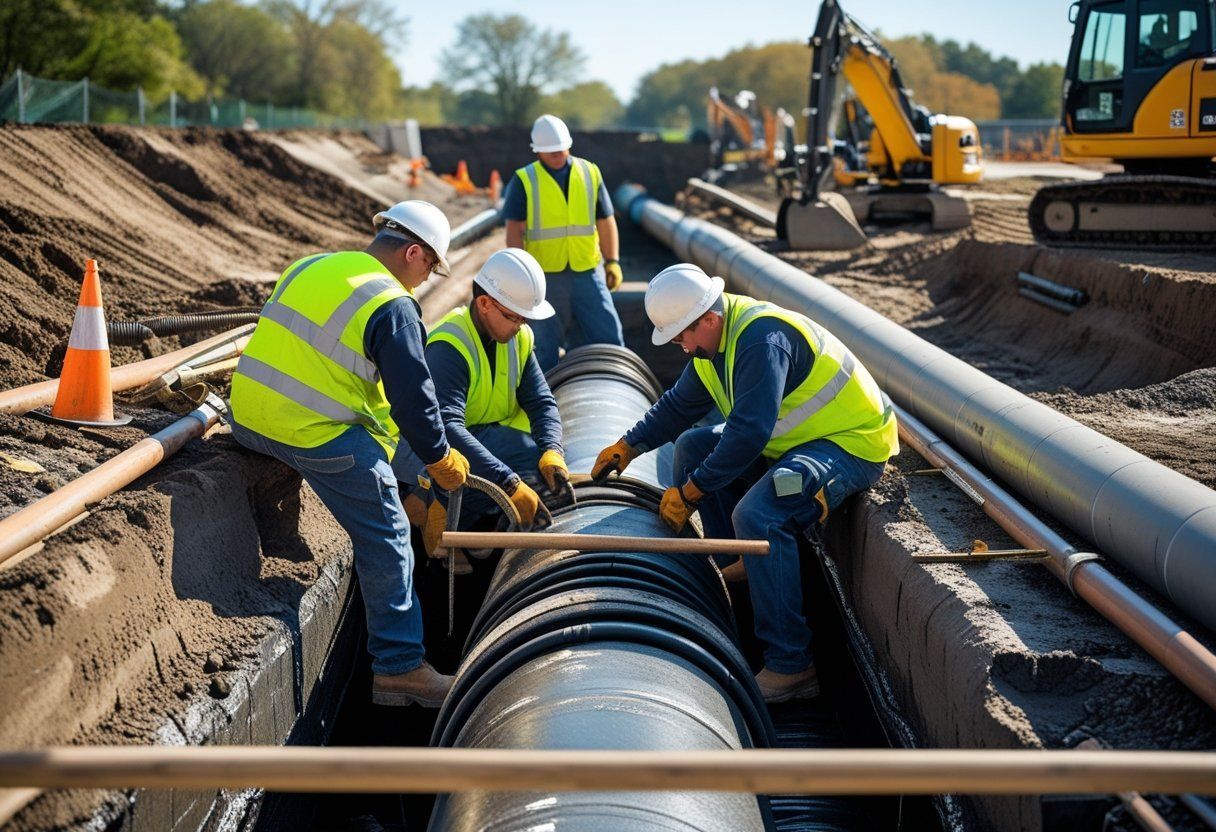
We rely on skilled professionals and modern techniques to handle tough sewer problems. Quick action and the right tools prevent damage, reduce health risks, and extend the life of our sewer systems.

When to Call a Professional Plumber

We should contact a professional plumber when drains back up often, water drains slowly throughout the home, or foul odors come from sinks or toilets. These signs may mean the main line is blocked or damaged. A qualified plumber uses sewer scope inspections or video camera inspections to find the exact cause without digging up our yard.

In some cases, hidden leaks or collapsed pipes cause foundation issues and serious damage. A plumber trained in emergency plumbing can assess these risks fast.
If tree roots or grease buildup are involved, drain cleaning services can restore proper flow safely.

Quick checklist for calling a plumber:

SituationWhy it Matters
Frequent backupsMay signal a serious blockage or break
Bad odorsIndicates trapped waste or gas leaks
Gurgling toiletsSuggests vent or main line issues
Sewage in yardPossible pipe fracture or overflow

Modern Sewer Line Cleaning Techniques

Professional plumbers now use more advanced tools for sewer line cleaning. One of the most effective is hydro jetting, which uses a high-pressure water jet to clear grease, roots, and debris from the inside of pipes. This method restores full flow without chemicals and helps maintain a healthy sewer line.

Some professionals also use cleanouts for easy access to the main sewer line. Cleanouts allow technicians to insert cameras or tools for professional drain cleaning without removing large sections of pipe.

We can also schedule routine sewer line inspections with video equipment to track buildup before it turns into a problem. Regular maintenance through licensed plumbing services helps prevent costly repairs and keep the system efficient.

Handling Sewer Line Repairs and Emergencies

A fast response makes a big difference during plumbing emergencies. When sewage backs up inside or outside our home, we should shut off the water supply and call for emergency plumbing help immediately.

Professionals can perform sewer line repairs using targeted methods like trenchless lining. This process fixes cracks and leaks through small access points instead of full excavation. In cases of severe collapse, though, full sewer line repair may still be needed.

Installing a backwater valve can prevent sewage from flowing backward into our home during heavy rain or system overloads. Contractors often recommend adding one after repeated backups.

To reduce disruptions, we should keep a local plumber’s contact ready and know the location of household water shutoffs. These simple steps reduce damage and keep repairs manageable.