Essential Tips For Maintaining Your Sewer Line And Preventing Costly Repairs

A healthy sewer line keeps your home running smoothly and prevents costly repairs. We can avoid major plumbing issues by keeping our sewer lines clean, inspected, and well maintained. Simple habits and regular checks make a big difference in how long your system lasts and how well it works.

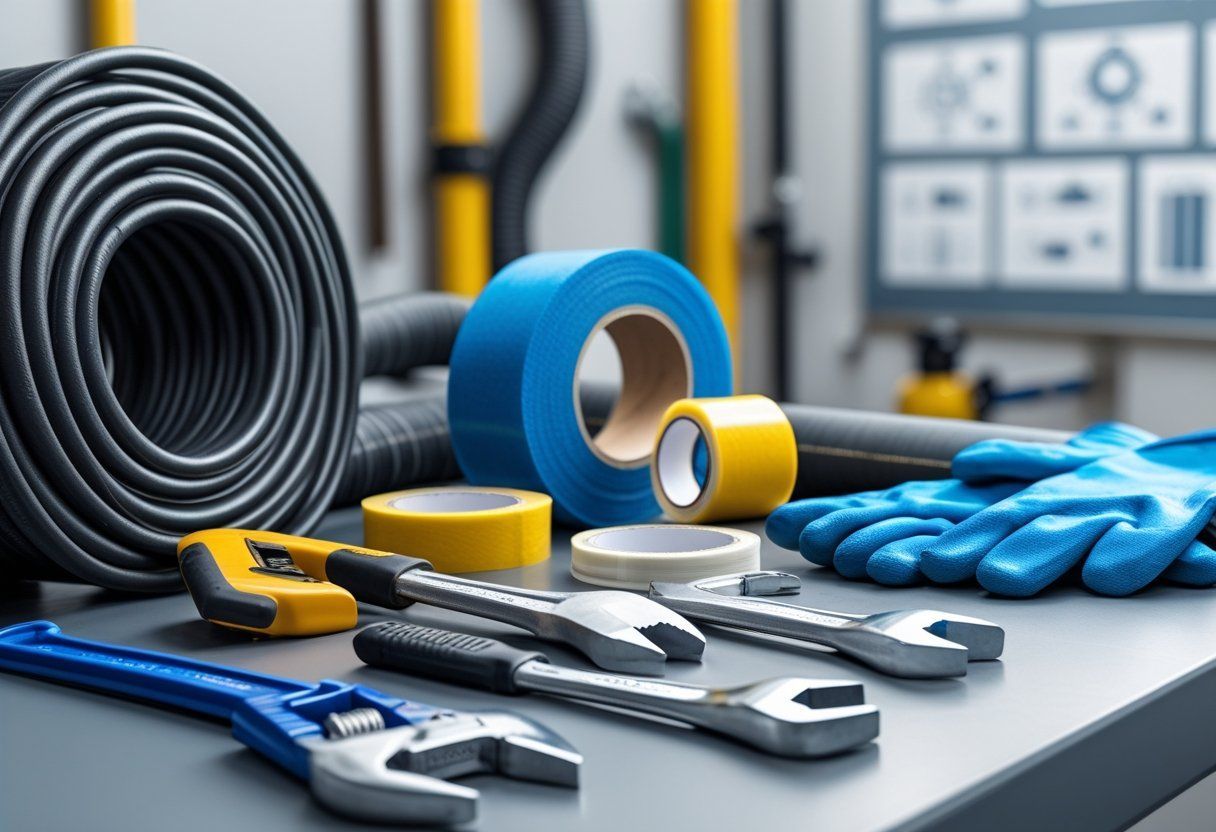
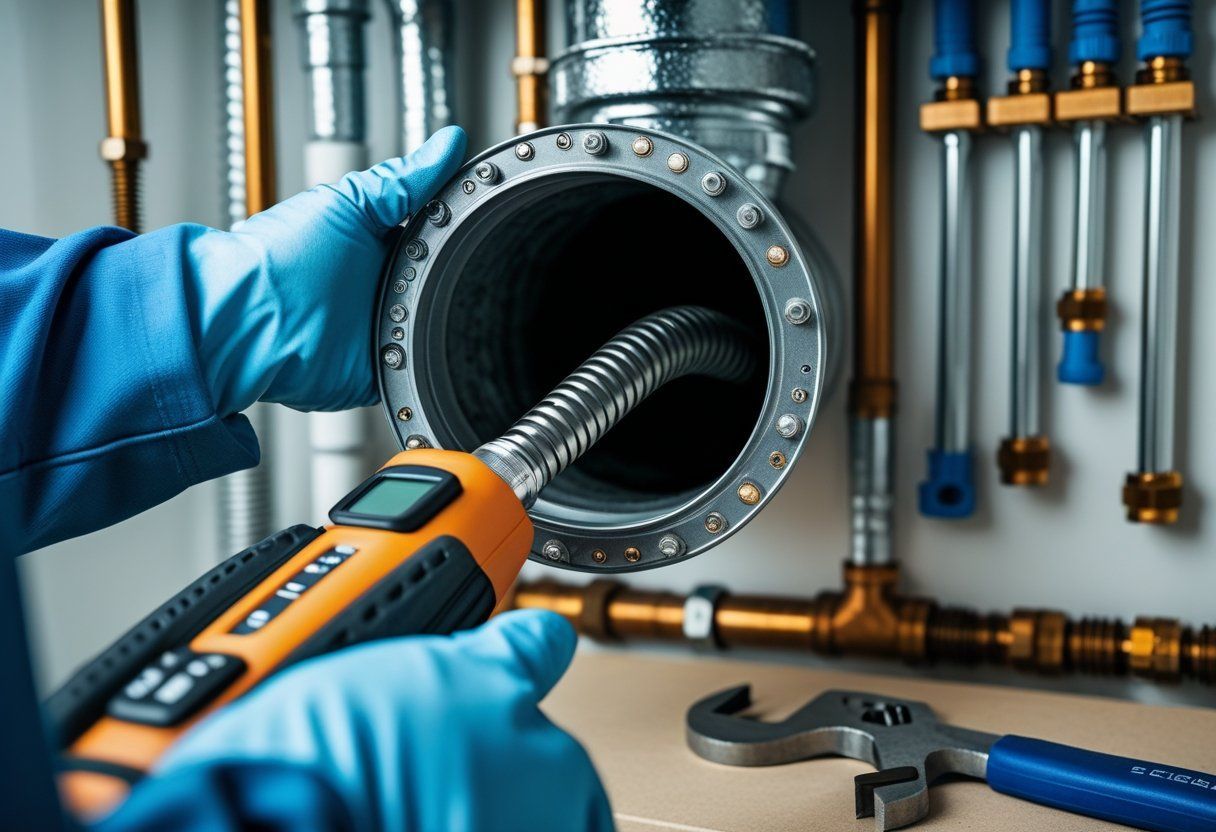
A plumber wearing blue gloves holding a sewer inspection camera inside a residential sewer pipe with plumbing tools in the background.

We’ll cover the best ways to care for your sewer line, spot early warning signs, and know when to call a professional. Each section focuses on clear steps and practical advice you can use right away.

By understanding how to maintain your system through every season, we can reduce the risk of clogs, leaks, and backups. Small actions today help protect our homes and save money over time.

Fundamental Sewer Line Maintenance Practices

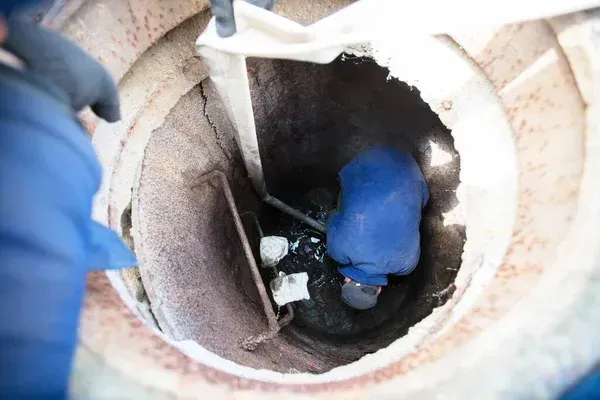
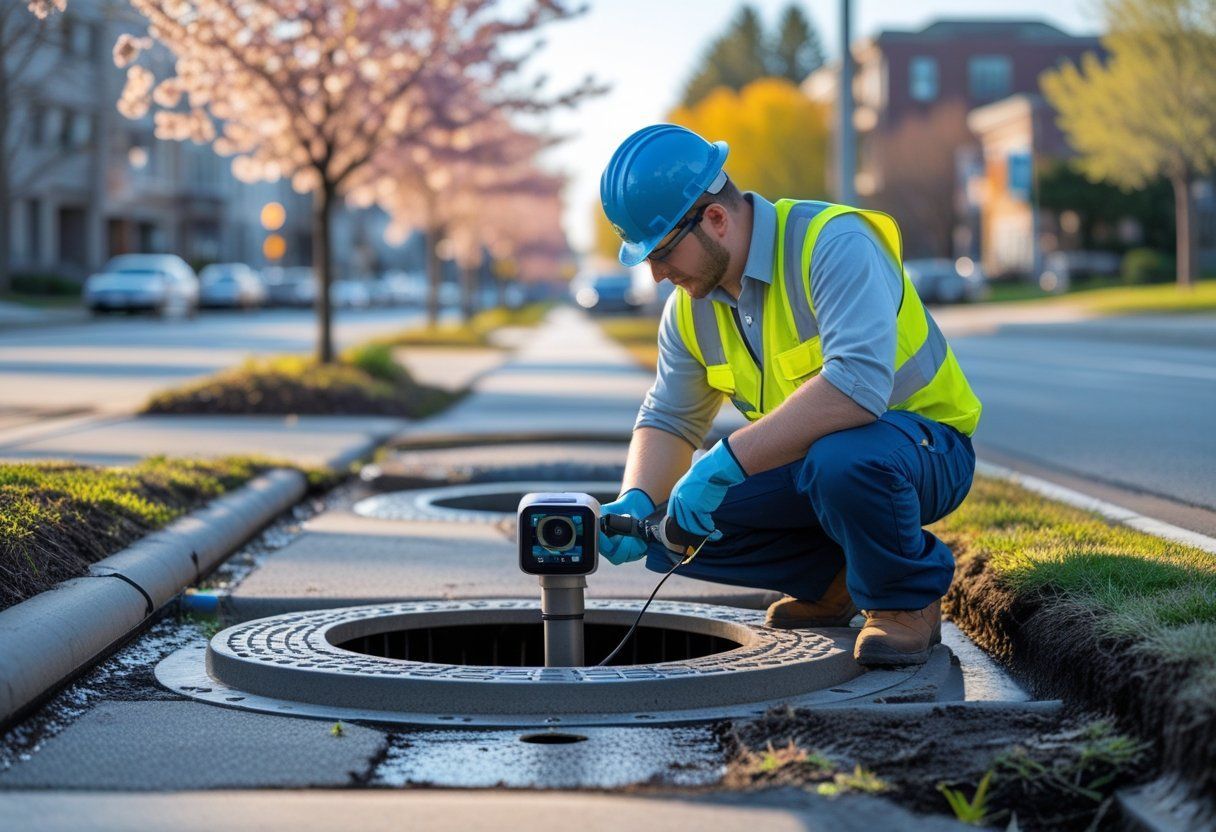
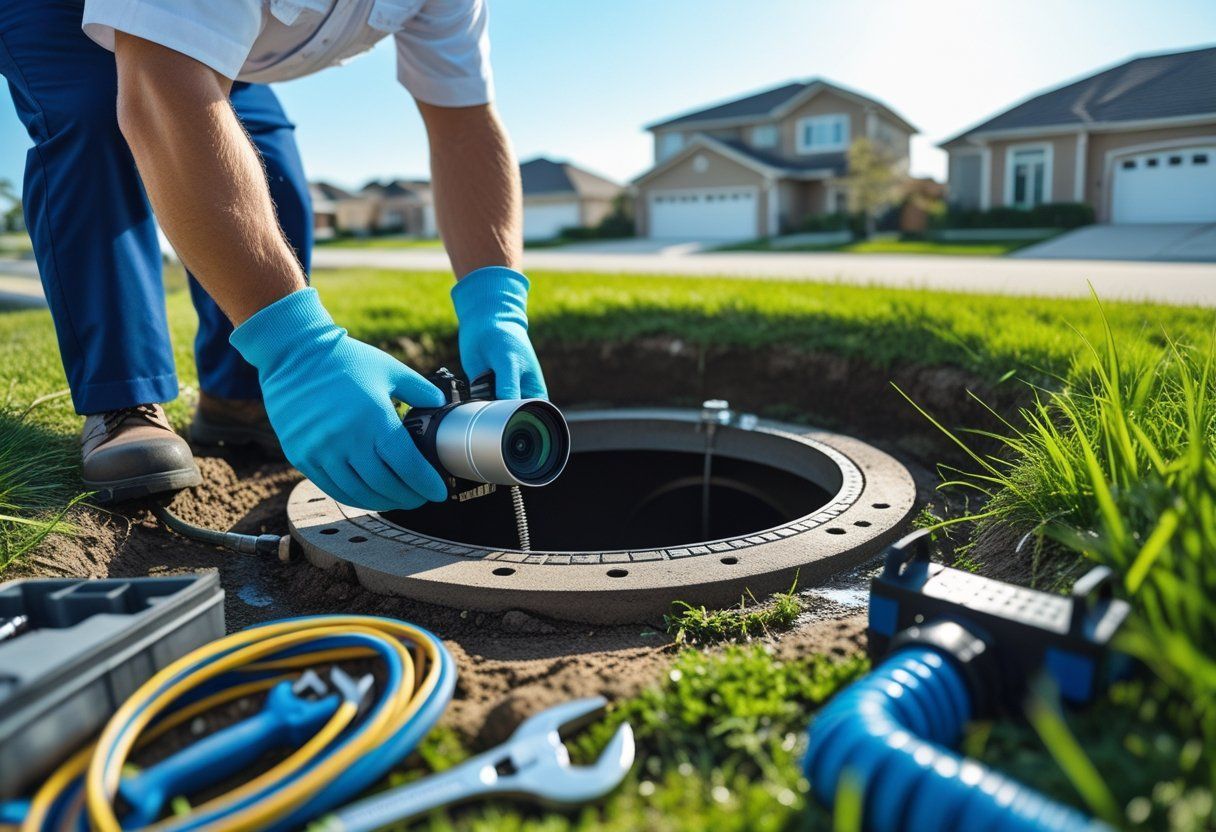
A plumber inspecting a sewer line using a camera inserted into an open manhole in a residential area.

We keep our sewer lines in good condition by managing what enters them, cleaning them on a schedule, and preventing debris from reaching the pipes. These actions reduce blockages, limit costly repairs, and extend the life of our plumbing systems.

Proper Waste Disposal Habits

We protect our sewer lines by being careful about what we flush or pour down drains. Only toilet paper and human waste should go into toilets. Items like wipes, paper towels, and sanitary products do not break down easily and can create clogs.

In the kitchen, we should avoid pouring grease, oil, or food scraps down the sink. Grease cools and hardens inside pipes, forming buildup that restricts flow. Instead, we can collect grease in a container and throw it in the trash once it solidifies.

A clear list helps guide our waste disposal habits:

Safe to FlushDo Not Flush or Pour
Toilet paperWipes, paper towels
Human wasteGrease, oil, sanitary products

By following these simple rules, we reduce stress on our sewer system and prevent blockages that lead to backups.

Routine Sewer Line Cleaning

Regular sewer line cleaning keeps pipes clear and helps us catch problems early. Over time, small amounts of debris, soap residue, and grease can collect inside pipes. Without cleaning, these materials can cause slow drains and full blockages.

We can schedule professional cleaning every one to two years, depending on pipe age and household size. Hydro jetting is a common method that uses high-pressure water to remove buildup safely. It does not damage pipes and helps restore normal flow.

We should also watch for signs that cleaning is needed. Frequent clogs, gurgling sounds, or foul odors often mean buildup is forming. Acting quickly prevents costly repairs and protects our plumbing system’s efficiency.

Drain Strainer Installation

Installing drain strainers is an easy way to stop unwanted materials from reaching sewer lines. These small mesh covers catch hair, food particles, and other debris before they enter drains.

We can use strainers in sinks, showers, and tubs. Cleaning them regularly keeps water flowing freely and prevents residue from collecting inside pipes. Stainless steel or silicone strainers are durable and easy to maintain.

Using strainers supports good waste disposal practices. It helps us prevent clogs, reduce the need for frequent sewer line cleaning, and extend the life of our plumbing system.

Detecting and Preventing Common Sewer Line Problems

We can reduce costly sewer line repairs by spotting early warning signs and using simple habits that keep pipes clear. Paying attention to drainage behavior, controlling root growth, and managing what enters our drains helps prevent damage and extend system life.

Recognizing Signs of Sewer Line Issues

We should watch for slow drains, gurgling sounds, and foul odors coming from sinks, tubs, or toilets. These signs often mean a blockage or buildup is forming in the main sewer line. If multiple drains slow down at once, the issue is likely deeper in the system.

Sewage backups are a serious warning. Wastewater may flow back into lower drains, such as basement showers or floor drains. When this happens, we must stop water use and call a licensed plumber right away.

We can also perform simple checks. For example, running water in one fixture and watching another drain for bubbling helps identify partial clogs. Keeping track of how fast drains clear after cleaning helps us notice changes early.

Preventing Tree Root Intrusion

Tree root intrusion is one of the most common causes of cracked or blocked sewer lines. Roots grow toward moisture and can enter small pipe joints or cracks. Over time, they expand and cause blockages or even pipe collapse.

We can prevent this by planting trees and shrubs at least 10 feet away from sewer lines. Species with aggressive roots, such as willow, poplar, and maple, should be kept farther away.

A professional can install root barriers or use chemical root inhibitors to protect pipes. Regular video inspections every few years help detect early root growth before it becomes a problem.

If roots have already entered the line, mechanical cutting or hydro jetting can clear them. After removal, applying a root treatment helps slow regrowth.

Managing Grease and Food Waste

Grease, oil, and food scraps are leading causes of clogs and slow drainage. When we pour grease down the sink, it cools and hardens inside pipes, trapping debris and reducing flow.

We should always let grease solidify in a container and throw it in the trash. Using sink strainers helps catch food particles before they enter the drain.

Garbage disposals can handle small bits of food, but they should not be used for fibrous or starchy items like celery, potato peels, or rice. Running cold water for several seconds after using the disposal helps flush small particles through the line.

A simple monthly flush with hot water and mild dish soap can help dissolve light buildup. For heavier use, scheduling a professional cleaning once a year keeps the system working efficiently.

Professional Maintenance and Inspection Methods

We rely on professional tools and techniques to keep our sewer system functioning properly. Regular inspections, advanced cleaning, and timely professional help prevent blockages, leaks, and costly repairs.

Sewer Line Inspections and Video Camera Assessment

A sewer line inspection helps us locate damage or buildup inside pipes without digging. During a video camera inspection, a small waterproof camera moves through the sewer line, sending real-time footage to a monitor. This allows us to see cracks, corrosion, or root intrusion clearly.

We often schedule a sewer scope inspection when buying a home or after repeated drain issues. It helps identify hidden problems early. The process is quick and non-invasive, usually taking less than an hour.

Benefits of video camera inspections:

  • Detects blockages and leaks accurately
  • Prevents unnecessary excavation
  • Provides visual proof of pipe condition
  • Supports preventive maintenance planning

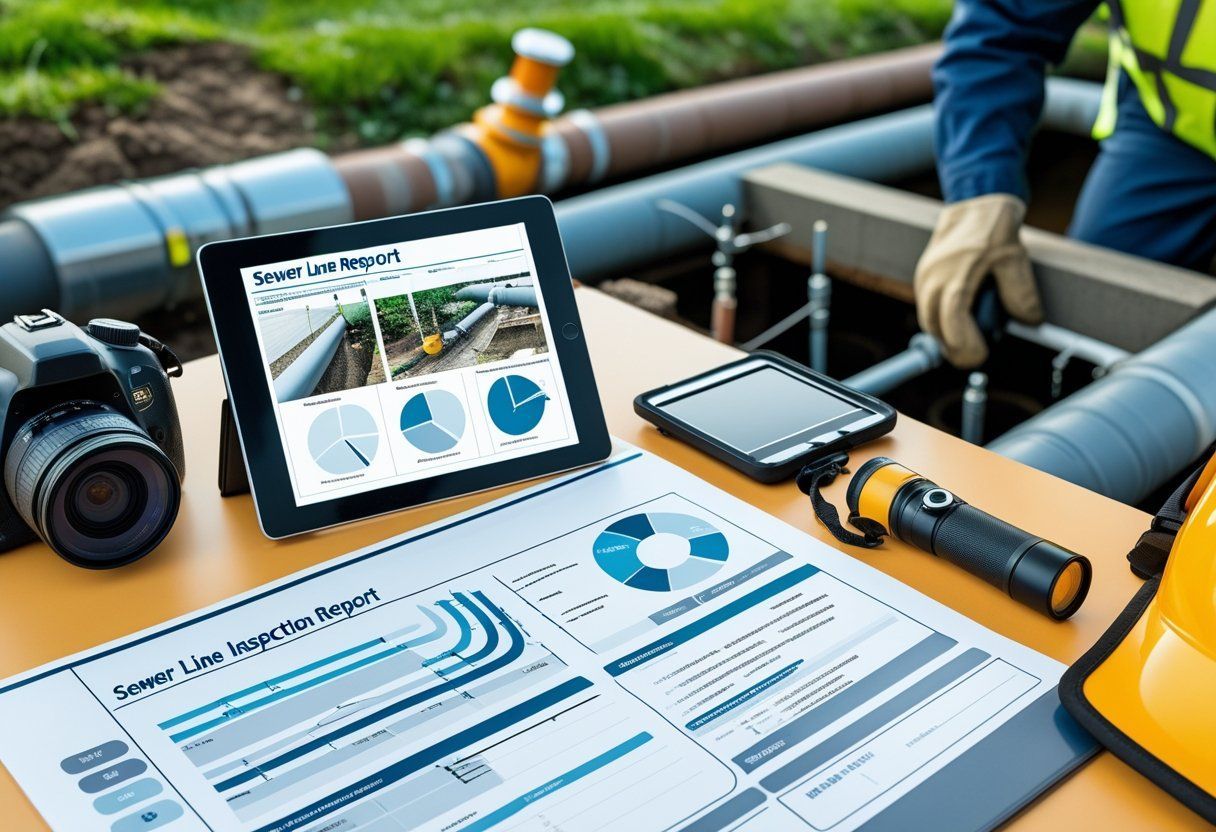
These inspections give us detailed information to decide whether cleaning, repair, or replacement is needed.

Hydro Jetting and Advanced Cleaning Solutions

Hydro jetting uses high-pressure water to clean the inside of sewer pipes. It removes grease, scale, and debris more effectively than mechanical snaking. The process restores the pipe’s diameter and improves flow.

We prefer hydro-jetting for heavy buildup or recurring clogs. It is safe for most pipe materials when done by trained professional plumbers. Unlike chemical cleaners, which can damage pipes and harm the environment, hydro jetting uses only water.

Common uses for hydro jetting:

Problem TypeCleaning MethodEffectiveness
Grease buildupHydro jettingHigh
Tree rootsHydro jetting (with cutting tool)Moderate
Soap or sedimentHydro jettingHigh

This method is part of a good preventive maintenance plan, keeping the sewer system clear and extending pipe life.

When to Call a Professional Plumber

We should call a professional plumber when drains back up repeatedly, odors persist, or water drains slowly throughout the home. These signs often mean deeper sewer line issues that DIY fixes cannot solve.

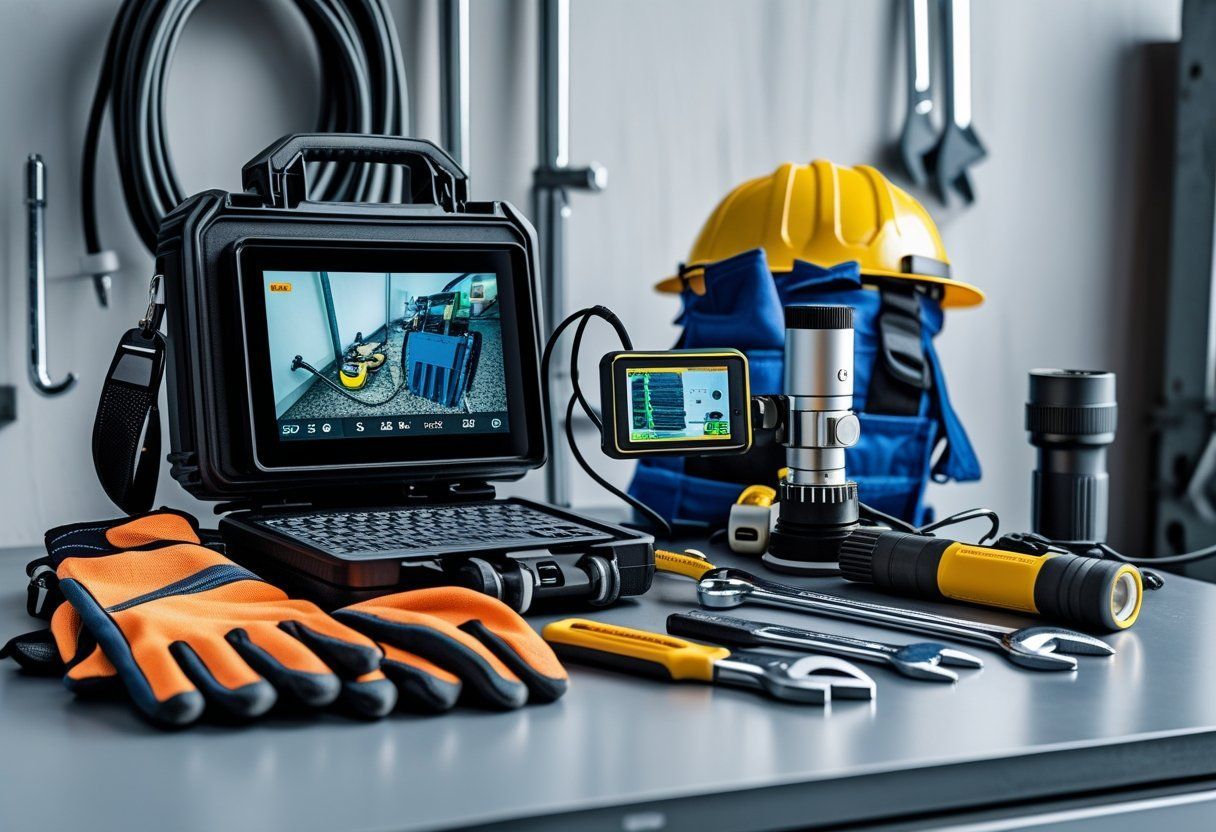
A plumber uses specialized tools such as video inspection cameras and hydro-jetting machines to diagnose and treat the problem safely. They can also check for pipe collapse or misalignment.

It’s best to seek help before small issues worsen. Regular sewer line inspections by a licensed plumber help us avoid emergencies and maintain a reliable, efficient sewer system.

Seasonal and Long-Term Sewer Line Care

We can reduce sewer line clogs, extend pipe life, and avoid costly repairs by following a consistent maintenance schedule. Regular inspections, timely upgrades, and efficient water use all play a role in keeping our sewer system reliable throughout the year.

Seasonal Maintenance Checklist

We should adjust our sewer line maintenance routine with each season. In spring, we can inspect for cracks or leaks caused by winter freezing. Checking cleanouts and running water through seldom-used drains helps confirm proper flow.

During summer, tree roots grow quickly and may invade pipes. We can trim roots near sewer lines or apply safe root barriers. Heavy summer rains can also overload systems, so clearing outdoor drains and gutters helps prevent backups.

In fall, leaves and debris often block exterior drains. We should rake regularly and ensure downspouts direct water away from the foundation. Inspecting vent stacks for nests or buildup keeps airflow consistent.

In winter, we can protect pipes from freezing by insulating exposed lines and maintaining indoor warmth. Running warm water through drains occasionally avoids ice buildup.

SeasonKey TaskPurpose
SpringInspect for cracksDetect freeze damage
SummerControl root growthPrevent blockages
FallClear debrisMaintain drainage
WinterInsulate pipesPrevent freezing

Upgrading Old Sewer Pipes

Older homes often have clay, cast iron, or Orangeburg pipes that weaken over time. We can schedule a camera inspection to assess their condition before problems appear.

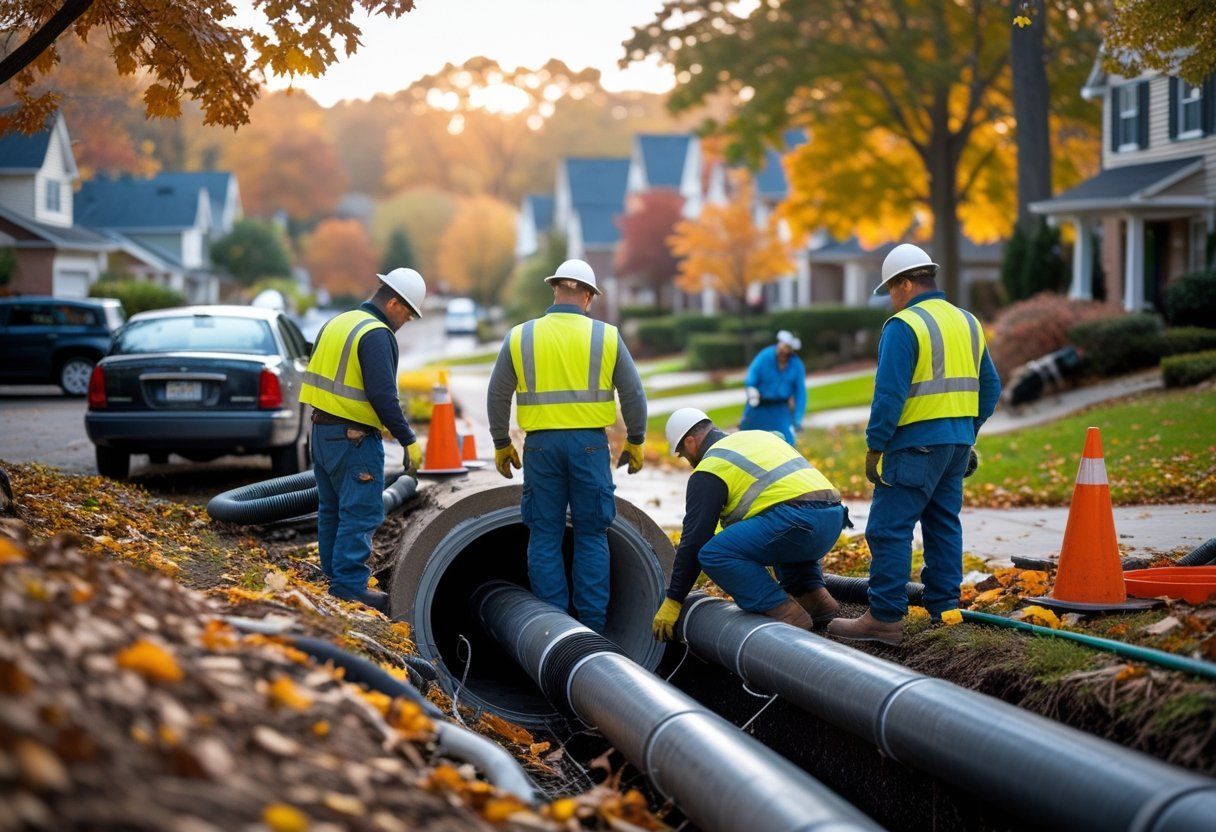
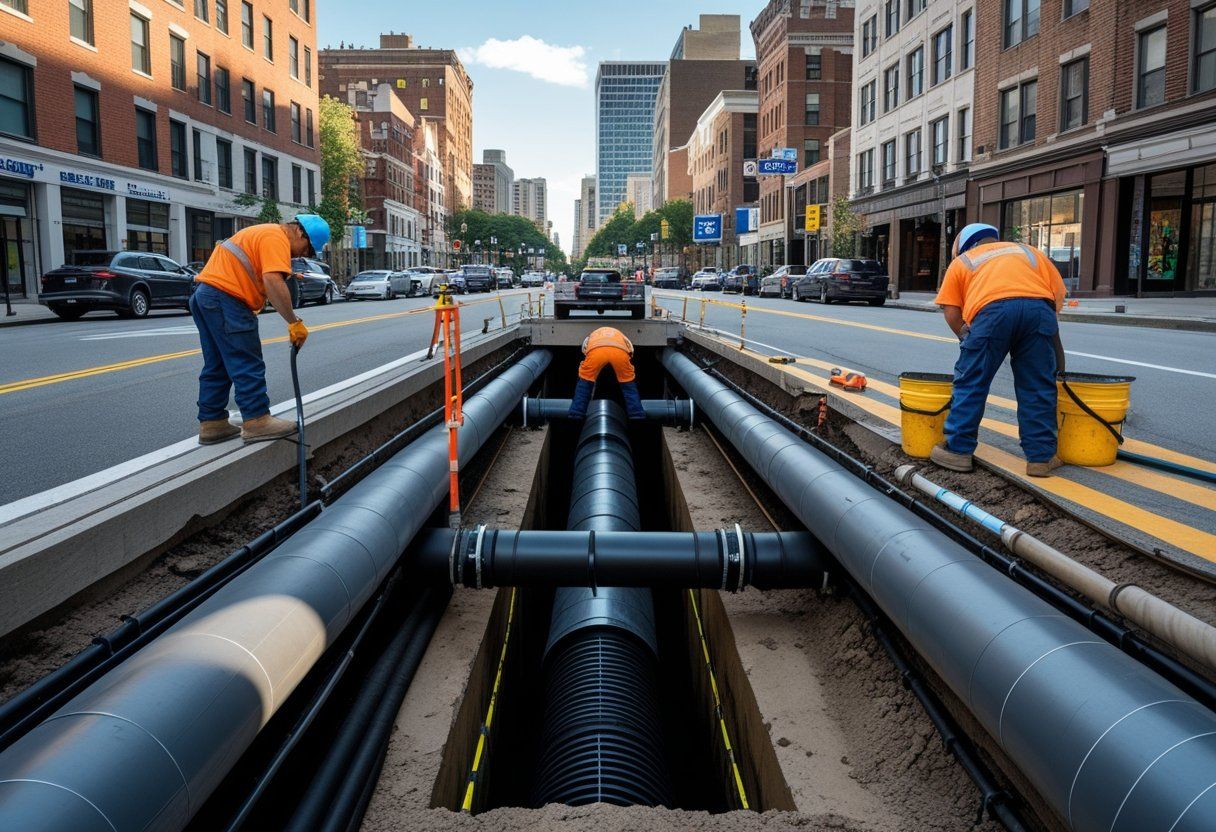
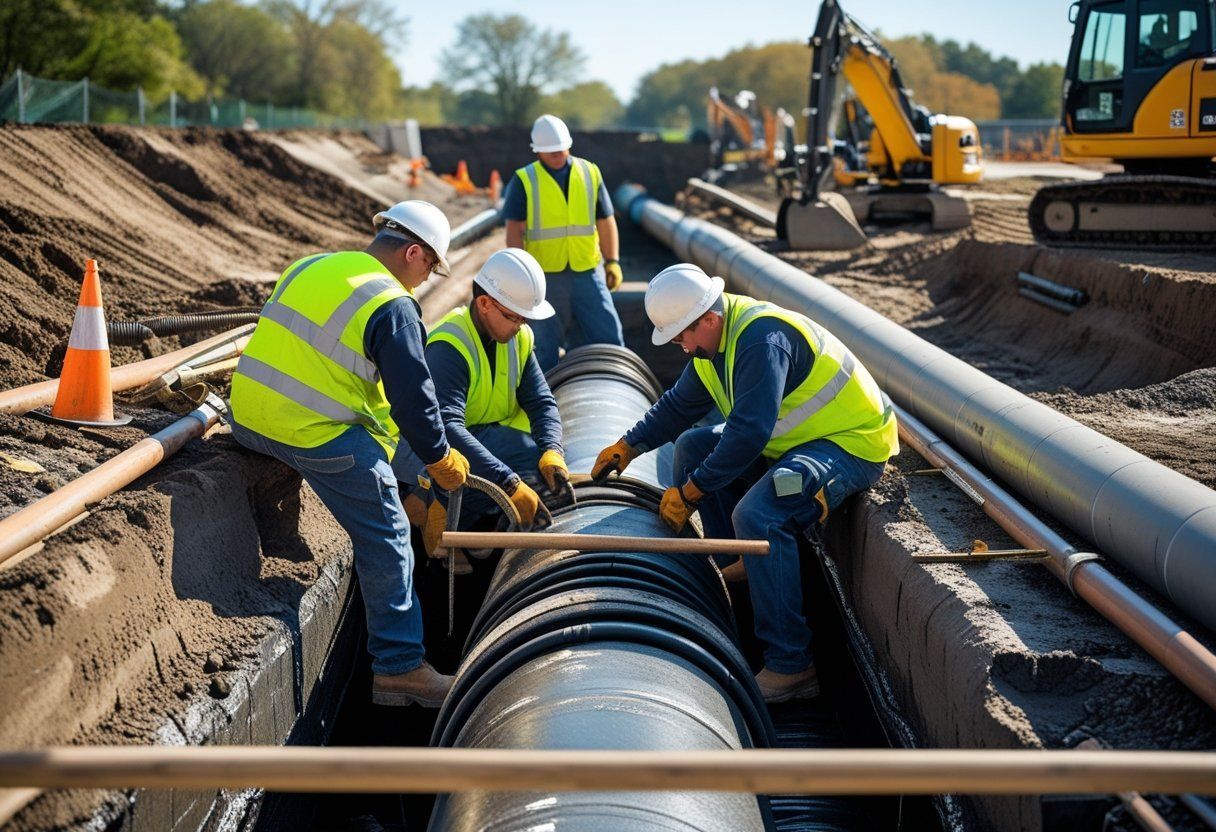
If we find corrosion, cracks, or root intrusion, replacing sections with PVC or HDPE piping improves durability and flow. Trenchless replacement methods, such as pipe bursting or lining, reduce digging and protect landscaping.

We should also install backwater valves to prevent sewage from flowing back into the home during heavy rain. Keeping accurate records of repairs helps plan future upgrades and track costs.

When planning upgrades, we can compare materials based on lifespan, maintenance needs, and installation cost to choose the best long-term option.

Sustainable and Cost-Saving Practices

We can support sewer line maintenance with habits that reduce strain on the system. Using low-flow fixtures and fixing leaks lowers water volume, which limits pressure on pipes.

Avoiding grease, wipes, and harsh chemicals prevents buildup and corrosion. Composting food waste instead of using a garbage disposal also reduces clogs.

For outdoor care, we can plant trees away from sewer lines and choose species with shallow root systems. Collecting rainwater in barrels reduces runoff and helps manage stormwater.

Routine preventive maintenance, such as professional cleaning every few years, keeps lines clear and reduces emergency costs. Tracking water bills and noticing sudden increases can alert us to hidden leaks or blockages early.