Changes In Water Levels As A Sign Of Sewer Issues And What They Reveal About Your Plumbing System

Unexpected changes in water levels can do more than cause minor frustration; they can uncover signs of a deeper sewer problem. Toilets that flush slowly, bowls that fill higher than normal, or drains that gurgle may all point to an issue below the surface. Recognizing and addressing these early warnings helps prevent costly sewer damage and health risks.

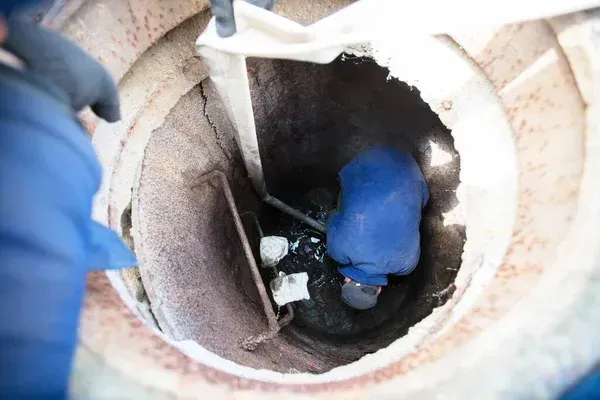
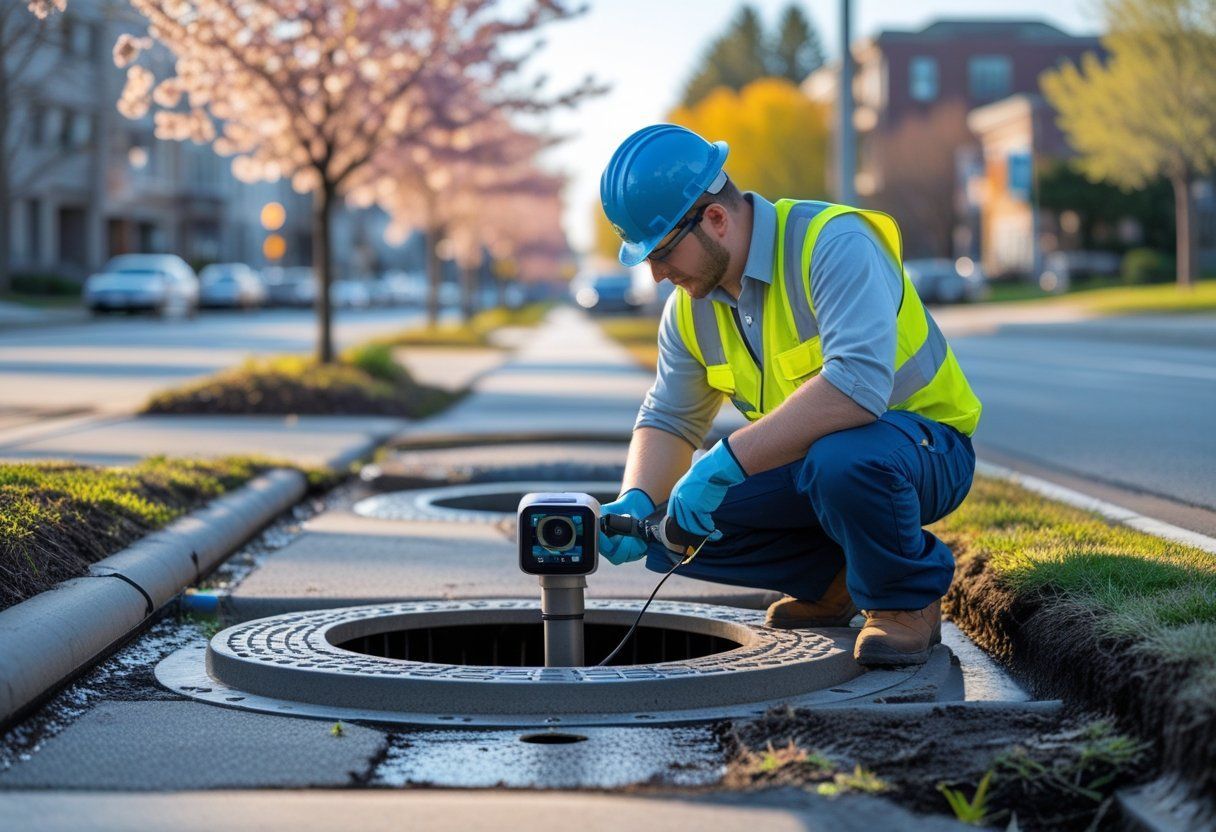
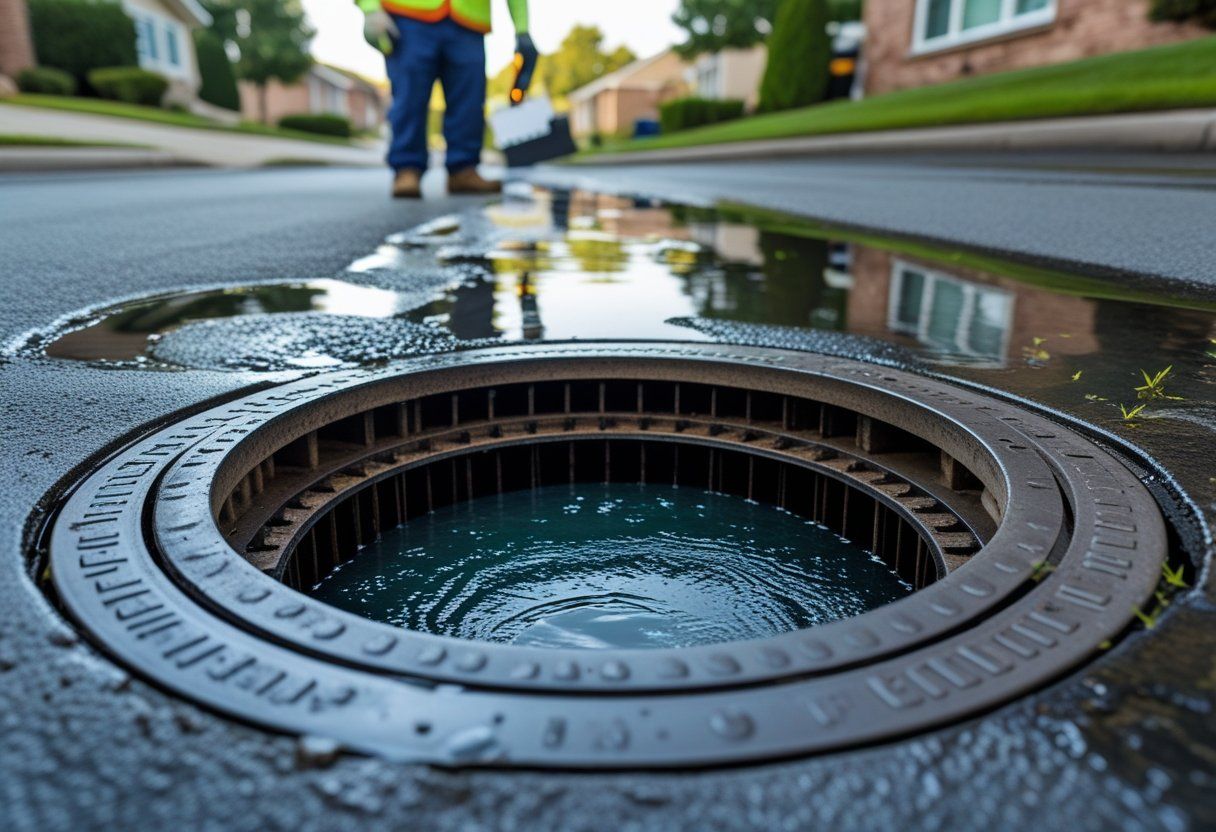
A street with an open manhole showing water inside, a worker in safety gear inspecting the area.

We often notice water level changes before other clear signs appear. A sudden shift might seem small, but it can reveal blockages, leaks, or breaks in the sewer line. Understanding why these changes happen allows us to act quickly and avoid larger plumbing emergencies.

Our discussion explores how to spot these changes, what other symptoms to watch for, what causes them, and when to call for professional help. These insights help us protect our homes, plumbing systems, and peace of mind.

How Water Level Changes Reveal Sewer Issues

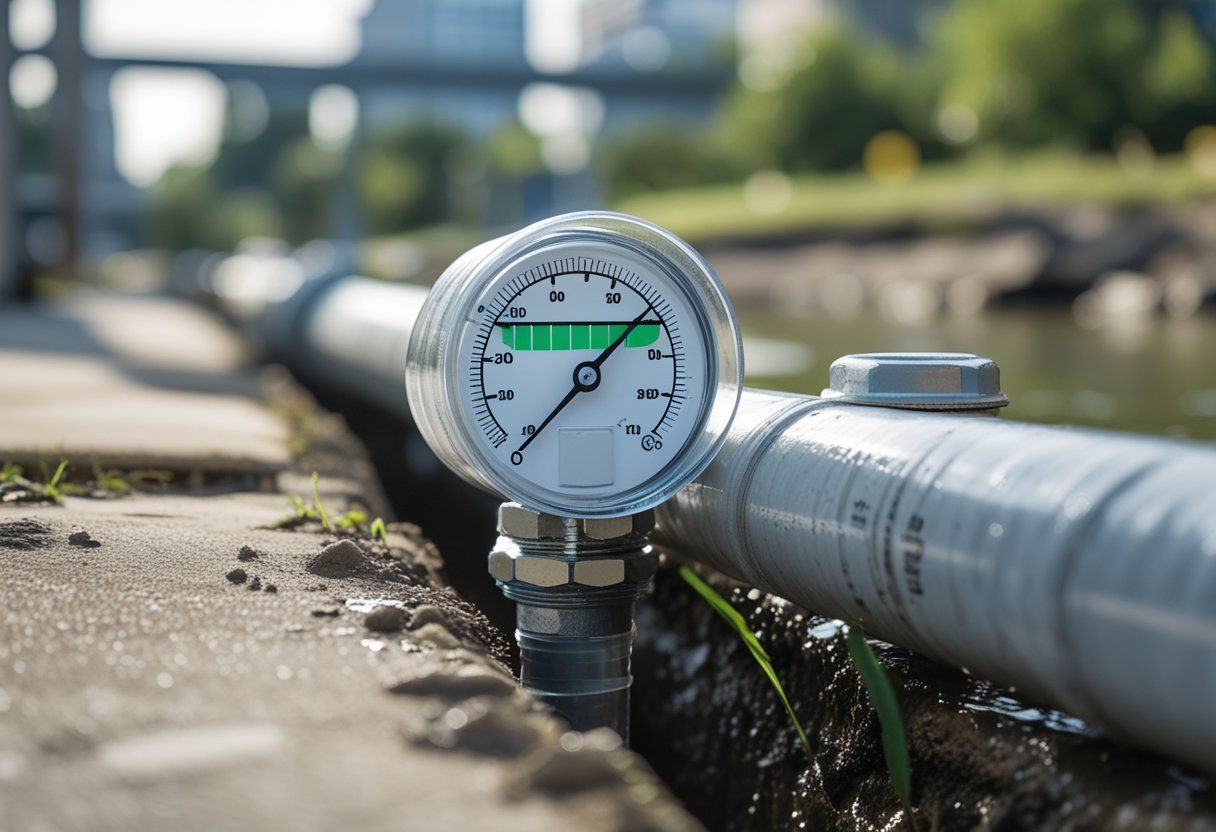
Close-up of a water level gauge on a sewer pipe showing changing water levels outdoors.

Water that collects or shifts in unusual ways often points to hidden problems in the sewer line. These changes can show up indoors or outside, and they help us detect leaks or blockages before they cause larger damage.

Toilet Water Level Fluctuations

When toilet water levels rise or fall unexpectedly, it often indicates a sewer line leak or partial blockage. If the main sewer line becomes restricted, it can disrupt the air pressure that keeps toilet water stable. We may see the bowl fill too high after flushing or drop lower than usual later.

A consistent low level might suggest water is escaping through a crack or break in the sewer line, while an overly full bowl signals water has trouble flowing out. In some cases, water may back up into another toilet or drain in the house, showing that waste flow has slowed. Regular changes in toilet water level should not be ignored, as they often mean the municipal sewer system could be obstructed or the connection to it is failing.

Checking other fixtures helps confirm the source. For example, if sinks or tubs drain slowly too, the problem likely lies deeper in the main line rather than in one toilet.

Pooling Water and Soggy Patches

Pooling water or soggy patches in the yard often form when a sewer line leak allows wastewater to seep into the soil. These damp areas tend to appear even when it hasn’t rained, often near where the sewer line runs underground.

We can test for this by comparing dry parts of the yard to wetter sections over a few days. If soggy spots remain constant, it’s possible a sewer leak is feeding them from below. Sometimes the water will have a musty odor or discoloration because of organic material from the pipe.

It helps to map where these patches show up. Consistent pooling in the same area can signal the position of the leak, giving plumbers a clear starting point for inspection and repair.

Unusual Lush Grass and Yard Wet Spots

Bright green or lush grass patches growing unevenly across a lawn may point to a sewer line leak. The wastewater leaking into the soil acts as a nutrient source that fertilizes the grass above the damaged pipe.

We might notice these lush patches of grass forming a narrow line or cluster following the path of the sewer line. In contrast, the rest of the yard stays at a normal color. If the grass is unusually thick or soft underfoot, it could mean the area stays constantly moist due to water pooling underground.

Yard wet spots or unusual growth shouldn’t be dismissed as harmless. They often appear before larger failures develop, such as sinkholes or severe water backing up inside the home. Identifying these early signs allows us to address sewer leaks quickly and prevent structural or environmental damage.

Other Warning Signs Accompanying Water Level Fluctuations

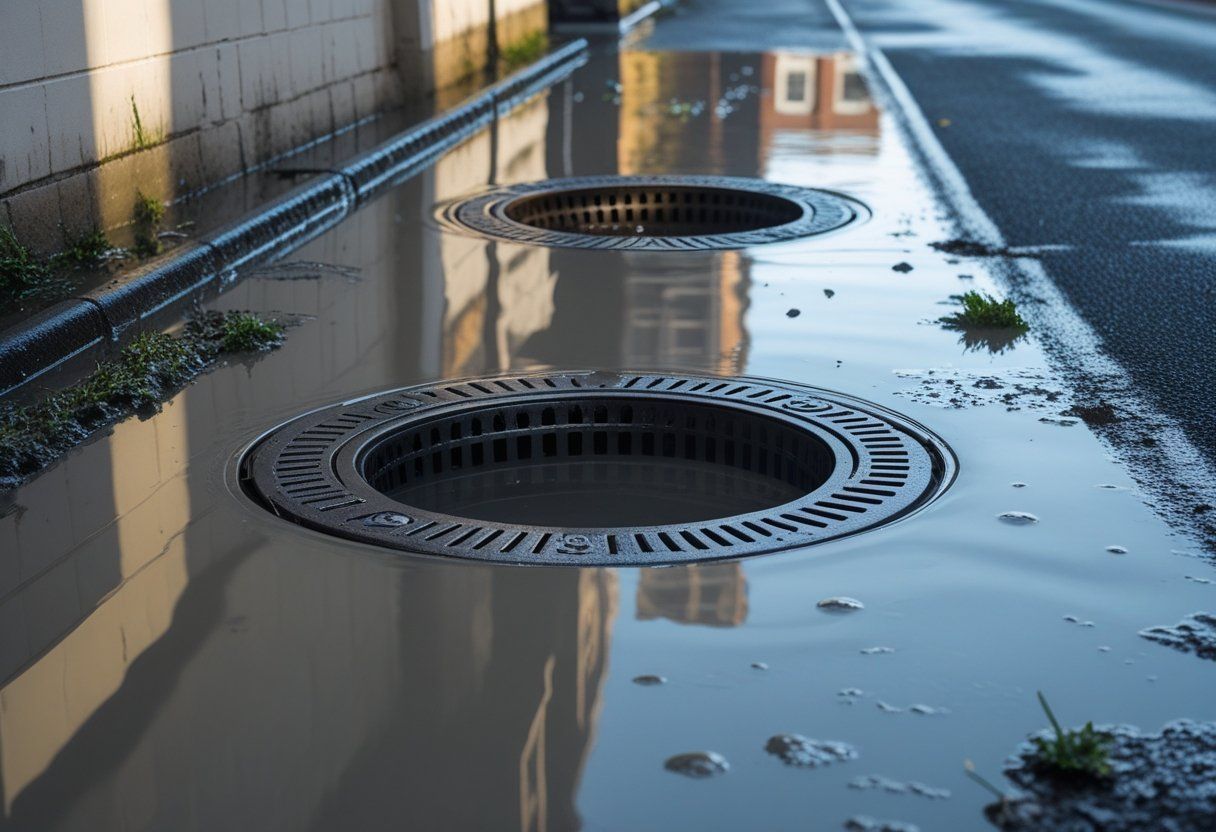
A flooded urban street with water around sewer grates, showing signs of water level changes and potential sewer problems.

Changes in water levels often occur alongside other signs that help us identify underlying sewer problems. We can detect trouble early by noticing unusual sounds, bad smells, or drainage issues before more serious damage develops.

Gurgling Noises and Strange Sounds

Gurgling noises from toilets, sinks, or drains often signal air trapped in the plumbing system. When sewer lines develop a blockage or partial clog, air bubbles form and escape through the water, creating these sounds. This happens because wastewater can’t flow freely through the pipes.

We may hear bubbling after flushing, running the dishwasher, or draining a bathtub. Constant gurgling from multiple fixtures usually means the problem is deeper in the main sewer line. Ignoring these noises can lead to pressure buildup and backflow issues.

To check the cause, we can run water in different drains and note where the noise occurs. If several drains produce similar sounds, it’s best to have the line inspected for blockage, collapse, or venting problems. Prompt action helps prevent sewer backups and further damage.

Foul or Unpleasant Odors

Foul odors around sinks, tubs, or floor drains often point to a sewer problem. Normal plumbing traps and vents keep sewer gases sealed away, but when a trap dries out or a vent becomes blocked, these gases escape into the home. The smell of sewage or rotten eggs often indicates hydrogen sulfide or methane from the sewer system.

We can test for this issue by running water through infrequently used drains or checking for cracks in drainpipes. Persistent odors near the basement or yard sometimes mean a broken or leaking sewer line underground.

Inhaling sewer gases can irritate the eyes and throat, so finding and fixing the cause matters for health and comfort. Keeping traps filled with water and sealing gaps around drains help stop odors temporarily until repair work can be done.

Slow Drains, Clogs, and Backups

Slow drainage often starts as a small inconvenience but can indicate a developing blockage. When pipes fill with grease, hair, or debris, water moves sluggishly down the drain. Over time, the buildup contributes to sewer backups and backflow issues that can push sewage back into sinks or tubs.

We might notice one drain running slow, then others joining in-a strong clue that the main sewer line is affected. Frequent clogs or water backing up in lower fixtures like basement drains also point to deeper blockage problems.

Using a plunger or drain cleaner may give short relief, but repeated slow drains usually call for a professional cleaning or video inspection. By acting early, we can prevent sewage backup, property damage, and high repair costs.

Root Causes of Sewer Line Water Level Issues

Changes in water levels often result from physical blockages, external pressure on pipes, or internal deterioration. Each cause affects how water flows, drains, and balances within the system, often signaling deeper sewer line problems that require prompt attention.

Blockages and Grease Buildup

When materials collect in the sewer line, water movement slows or stops entirely. Common drain blockages include grease, hair, wipes, and food waste. Over time, grease buildup hardens and narrows the pipe’s diameter, creating sewer line obstructions that prevent proper drainage.

We often see this in kitchens, where fats and oils cool and stick to the pipe walls. As layers build, the blockage traps debris, forming a tough clog that’s difficult to remove with household cleaners. This leads to clogged drains and abnormal water levels in sinks, toilets, or floor drains.

A few warning signs include:

  • Water rising or draining slowly
  • Gurgling noises from pipes
  • Unpleasant odors near drains

To reduce these issues, we can keep grease out of drains, use sink strainers, and schedule routine cleanings to maintain sewer flow.

Root Intrusion and Soil Movement

Tree root intrusion is another major cause of sewer line damage. Roots naturally seek moisture, pushing through tiny pipe cracks or loose joints to reach flowing water. Once inside, they expand and block the pipe, causing sewer line blockages and uneven water levels throughout the system.

This type of intrusion can also lead to pipe collapse if left untreated. Roots trap debris and add pressure against pipe walls, weakening them over time.

Soil movement worsens the problem. Ground shifting or erosion from heavy rain or nearby construction changes the pressure around buried pipes. When the surrounding soil moves, it can displace or break the line. This often shows up as slow drains or visible sinkholes in yards.

Pipe Damage, Corrosion, and Leaks

Aging infrastructure makes pipe deterioration one of the most common causes of sewer line issues. Pipe corrosion occurs when metal or cast-iron lines react with sewage gases or soil chemicals, thinning the pipe walls and forming small holes or cracks.

Once leaks develop, water escapes into the ground, lowering water levels in plumbing systems and allowing soil to enter the line. This speeds up internal sewer line failure and encourages more blockages.

Pipe damage can also occur from external pressure such as heavy vehicle loads or construction near buried lines. Signs often include water pooling in unexpected areas, recurring clogs, or foul smells.

Inspecting and replacing broken pipes or corroded sections promptly helps prevent full sewer line collapse and stabilizes internal water flow.

When to Seek Professional Inspection and Repairs

We should take sudden changes in water levels seriously because they can indicate deeper sewer problems. Quick action limits health risks, reduces costly repairs, and prevents long-term property damage.

Health Risks and Structural Damage

Sewer issues can expose us to harmful bacteria and gases. Standing water or backups may lead to mold growth, which can cause breathing issues, allergies, or other illnesses. Pest activity often increases near damp areas, attracting rodents and insects that spread disease. Early response helps keep these risks low.

Structural damage develops when leaks go unnoticed. Persistent moisture can weaken soil and cause foundation cracks or even sinkholes. In severe cases, foundation damage may allow water to seep into walls or basements. This can lead to warped floors, damaged drywall, and rising high water bills as leaks waste water.

Spotting water stains, bad odors, or slow drainage signals a deeper problem. When that happens, we should call a professional plumber to assess and avoid costly repairs later.

Inspection Techniques and Emergency Response

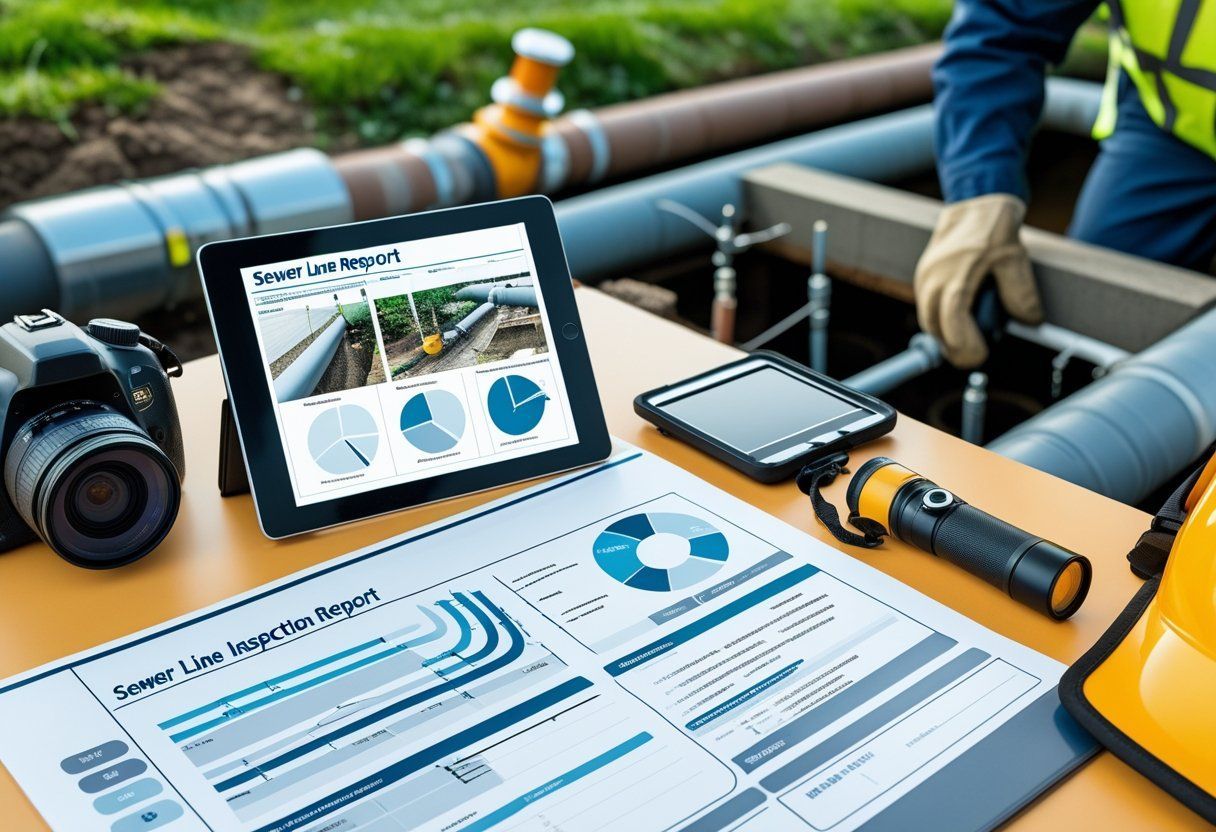
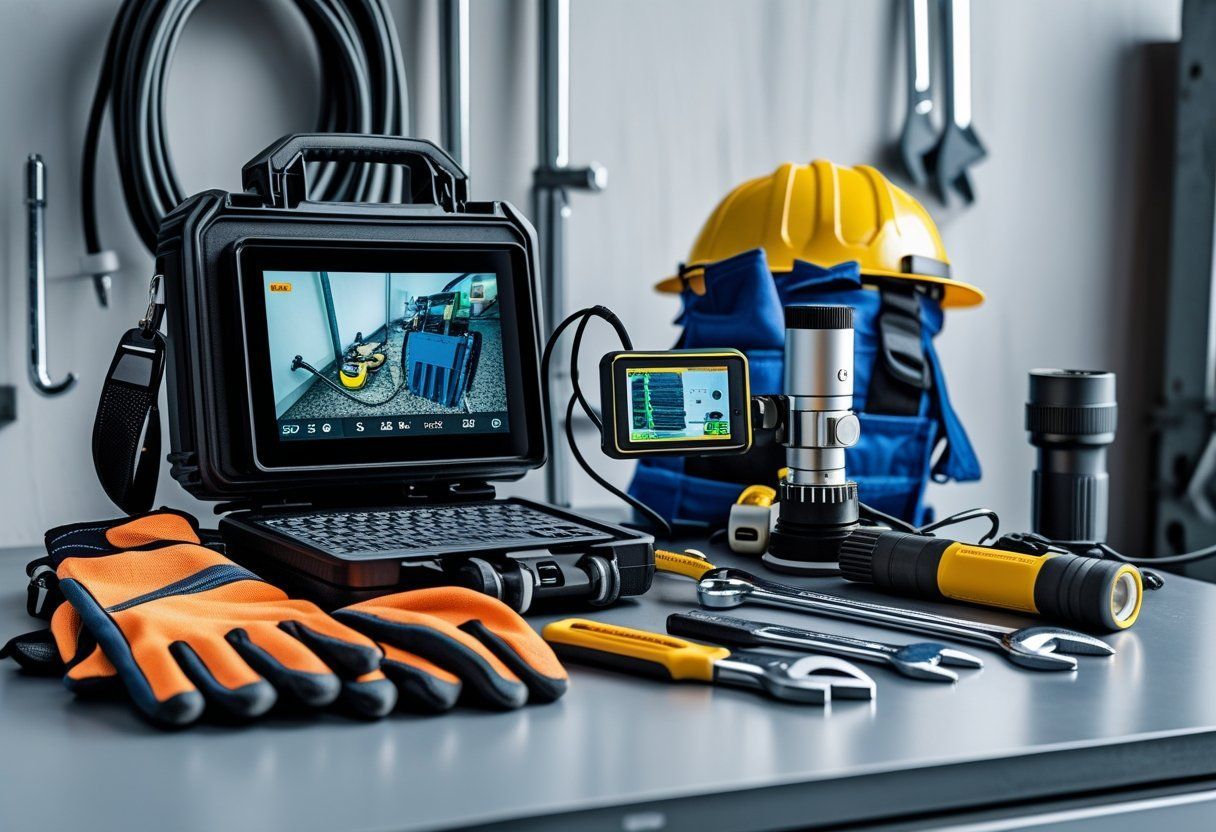
We can confirm sewer problems through a professional sewer inspection. Experts use tools such as camera inspection, smoke testing, and drain snake equipment to locate blockages and breaks. Camera inspection helps us see the interior condition of pipes, while smoke testing reveals leaks that might be hidden underground or behind walls.

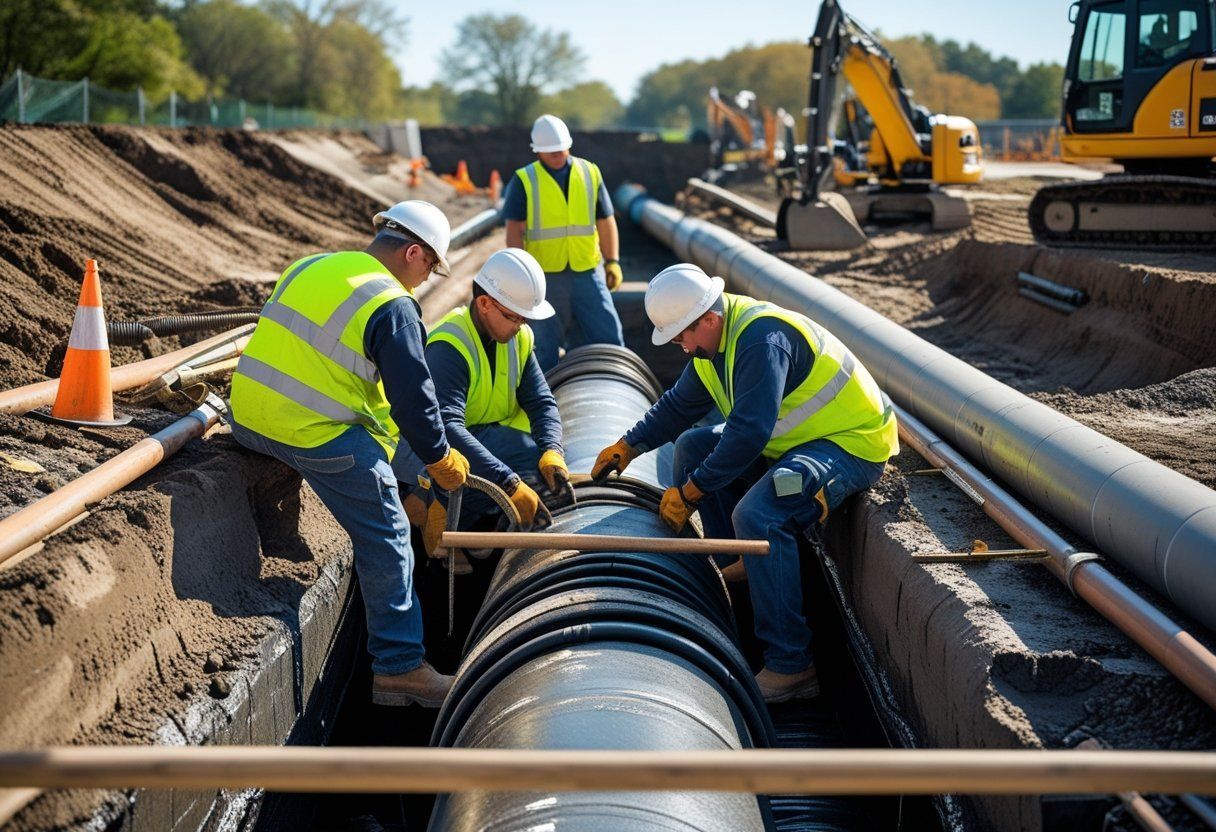
When a blockage causes an overflow or flooding, we may need emergency plumbing service. Hydro jetting clears debris quickly by using high-pressure water. If a pipe has collapsed, methods like pipe lining or pipe bursting replace or reinforce damaged sections without full excavation.

During emergencies, shutting off water lines and avoiding plunging helps prevent further water damage. Acting promptly reduces contamination risks and limits costly repairs.

Working With Professional Plumbers

Hiring a professional plumber ensures the right diagnosis and repair plan. Qualified technicians use modern inspection tools and follow safety standards. They help us understand the cause-whether it’s tree root intrusion, a broken sewer line, or improper drain cleaning practices.

A professional can recommend treatments based on the damage level. For minor buildup, routine maintenance such as drain cleaning or hydro jetting may be enough. Large repairs like sewer line repair often require pipe lining or full pipe replacement.

We should also discuss warranties and follow-up inspections to confirm repairs hold over time. A trusted plumber can advise on prevention steps, including regular sewer line inspection, seal checks, and pest control strategies to avoid new infestations and protect our home’s structure.