You want to keep sewage out of your home and avoid costly damage. A backwater valve stops sewage from flowing back into your drain lines, protecting basements, laundry rooms, and appliances from backups. We’ll show how the valve works, where it fits, and why it matters for safety and savings.
We’ll explain the main types, where each works best, what installation and local rules to expect, and how to care for the valve to keep it reliable. By the end, you’ll know whether a backwater valve makes sense for your property and how it can lower risk and long-term costs.
How Backwater Valves Prevent Sewer Backups
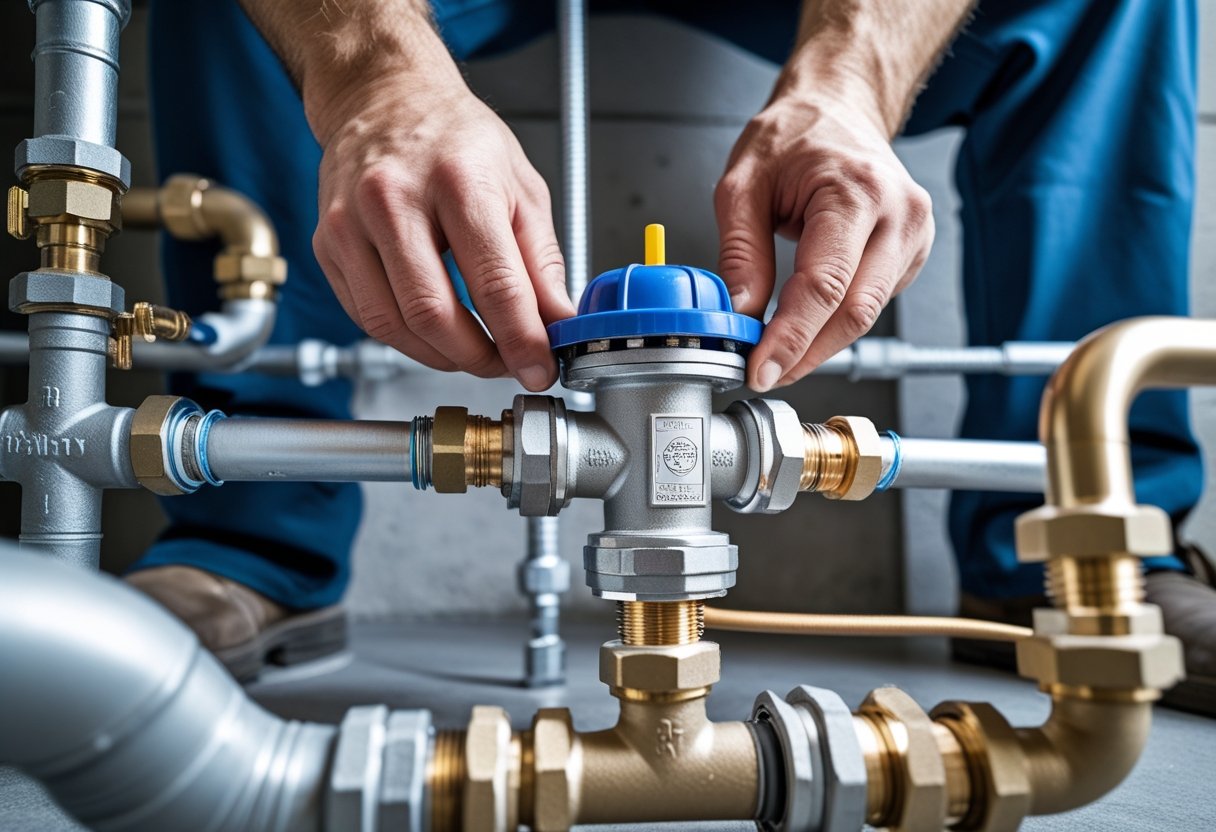
We explain how backwater valves stop sewage from flowing back into homes, protect basements, and reduce water damage to plumbing, floors, and belongings.
What Is a Backwater Valve
A backwater valve is a mechanical device installed in the main sewer line that lets wastewater flow out but blocks reverse flow. We place it where the building drain meets the public sewer, often in a basement or utility room, so it sits before the sewer connection that can surge.
Common types include flap-style and gate-style valves. Flap valves use a hinged plate that closes under backflow pressure. Gate or swing-type valves use a heavier gate that seals more tightly. We recommend valves certified for local codes and sized to match the main sewer line to avoid flow restriction.
How Backwater Valves Work
Backwater valves open automatically when wastewater flows toward the municipal sewer during normal use. The valve stays open under downstream pressure that is lower than upstream pressure, allowing sinks, toilets, and floor drains to drain normally. When the public sewer backs up, pressure pushes the valve closed. The closure seals the main line and stops sewage from re-entering the house.
Most valves include an access cover for cleaning and inspection. We schedule annual checks and clean debris from the valve seat so it seals correctly. Proper installation includes a cleanout nearby so plumbers can service the valve without disturbing the main line.
Protection Against Basement Flooding and Water Damage
A properly installed backwater valve prevents sewer backups from entering floor drains, toilets, and basement fixtures. That action cuts the risk of basement flooding and reduces costly water damage to walls, carpets, and stored items. It also lowers mold growth risk by keeping raw sewage out of living spaces.
Installing a backwater valve can protect property value by reducing claims and repair history tied to sewer backups. We still recommend combining the valve with other measures like sump pumps and sealed floor drains for layered backflow prevention and the best protection for basements and finished spaces.
Types of Backwater Valves and Application Areas
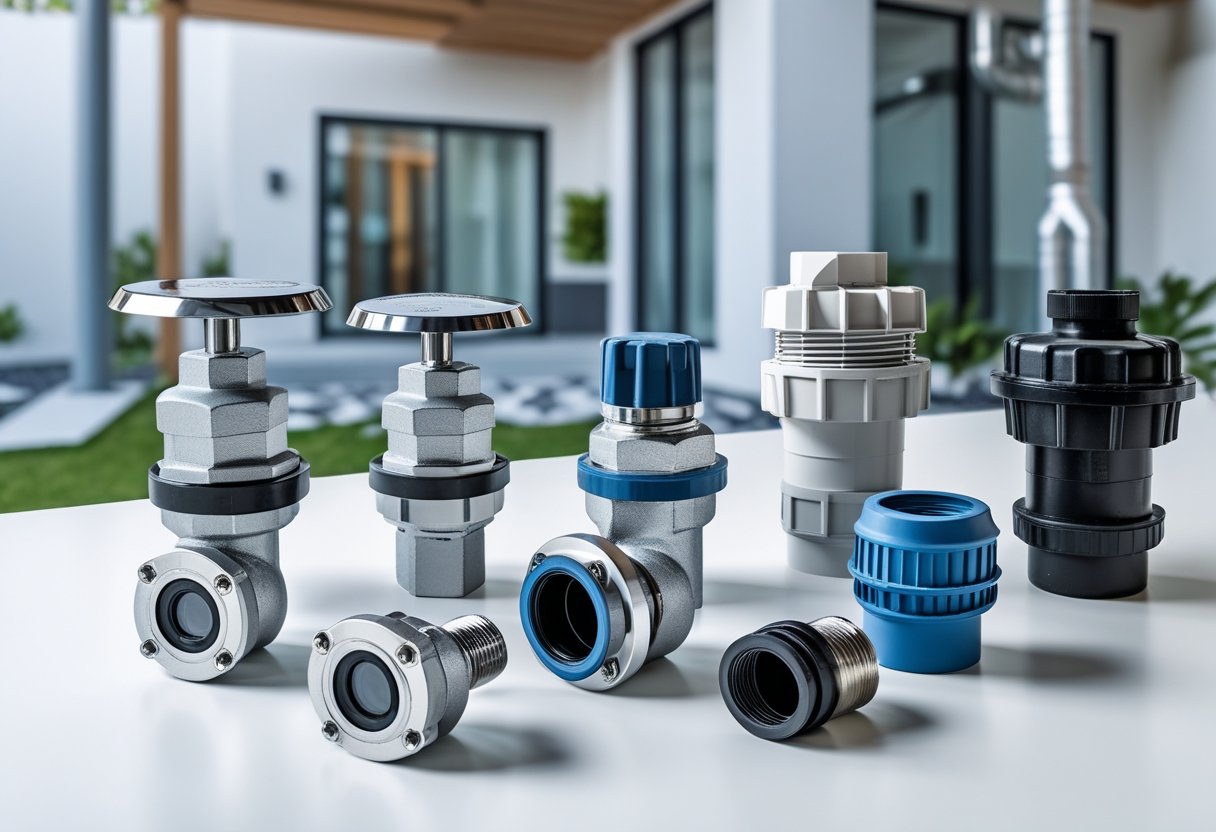
We explain which valve types work best for specific drains and where to place them in a home. This helps prevent sewer backups at the main sewer line, basement floor drain, and other vulnerable fittings.
Common Variants and Their Features
We use three main types: flap, check, and automatic backwater valves.
- Flap valves: simple rubber flap on a hinge. They fit on sewer lines and basement floor drains. They are low-cost but can stick if debris builds up.
- Swing check valves: metal or plastic disc swings closed under backflow pressure. They handle higher flow in the main sewer line but need more space and periodic inspection.
- Automatic (powered) valves: electrically or mechanically driven to seal tightly. They suit homes with frequent sump pumps or where strict code requires active control.
We always note material and size. PVC fits most residential sewer lines; cast iron suits older mains. Valve size must match pipe diameter to avoid reduced flow or leaks. We recommend models labeled specifically as backwater or sewer backup valves.
Appropriate Placement in Residential Plumbing
We place backwater valves on the house side of the main sewer line before it leaves the property. This protects all interior drains from sewage reentering the home.
For basements, we install a backwater valve on the branch that serves the basement floor drain and laundry outlet. That prevents backups into low fixtures when the municipal line surges.
We position valves in accessible cleanouts or valve pits for inspection and maintenance. If the main sewer line is below the basement floor level, we add a valve plus a sump pump or an automatic valve to meet code and ensure reliable protection.
Installation and Compliance Considerations
We cover how to install a backwater valve correctly, what codes govern the work, and what inspections and safety steps keep your home compliant and safe.
Professional Installation Process
We hire a licensed plumber for backwater valve installation to ensure correct placement and reliable performance. The plumber locates the main sewer line, measures pipe slope, and determines whether an above-floor or below-floor valve fits best. We typically shut off water, dig or open the floor, cut the existing pipe, and install a fitting that matches pipe material and size.
We require the plumber to test the valve by running water and simulating a backup with a test plug or camera. Professional plumbing services provide a written work scope, parts list, and warranty. We document the date of installation and the plumber’s license number for future plumbing inspections or emergency plumbing calls.
Importance of Following Local Plumbing Codes
We follow local plumbing codes because they set required valve types, installation heights, and backflow prevention standards. Codes often require an accessible cleanout near the valve and specify materials that resist corrosion and sewer gas. Some municipalities mandate backwater valves in basements where the lowest fixture is below the sewer crown.
We request a plumbing permit before starting work and submit as-built sketches if required. Noncompliance can lead to failed inspections, fines, or insurance denial after a sewer backup. We keep copies of permits and code references to present to inspectors or our insurance company if needed.
Plumbing Inspection and Safety Requirements
We schedule a plumbing inspection after installation to confirm code compliance and valve function. Inspectors check slope, joint seals, accessibility, and that the valve closes fully under simulated backup. We provide the inspector with manufacturer installation instructions and the plumber’s license.
We follow safety steps during installation: wearing PPE, using proper shoring for trench work, and labeling the valve for emergency plumbing crews. We also ensure electrical bonding if required and maintain clear access for future maintenance. If the inspector finds issues, we arrange prompt repairs with our plumber and request a reinspection.
Maintenance, Costs, and Additional Benefits
We focus on how to keep a backwater valve working, what it costs, and how it helps our home value and peace of mind. The points below cover inspection, small repairs, typical price ranges, insurance effects, and added protections against water damage.
Routine Maintenance and Inspection
We inspect the backwater valve every 6 months and after heavy storms. Look for debris, rust, or anything that stops the flap from closing.
Before inspection, shut off nearby water valves and remove the cover plate carefully. Use gloves and a flashlight to check the flap and hinge for buildup from drain cleaning or sewer solids.
We test the flap by lifting and letting it snap closed; it must seal smoothly. If it sticks, we clean with a soft brush and water or call a plumber. During a full plumbing inspection, professionals check seals and replace worn gaskets. Keep records of inspections to show maintenance history.
Cost of Installation and Insurance Implications
Installation typically ranges from $800 to $2,500 depending on valve type and access to sewer lines. Gravity-style units cost less; backflow-prevention systems for basements cost more. We get written quotes that include digging, pipe changes, and permit fees.
Routine maintenance visits run $75-$200. If a plumber replaces a valve, parts add $150-$600. Some insurers offer reduced premiums or credits when we install a certified backwater valve, but we must submit receipts and inspection reports. We contact our insurer before installation to confirm savings and required documentation.
Protecting Property Value and Peace of Mind
A working backwater valve reduces the risk of sewage water damage, which can cost thousands to repair and harm flooring, drywall, and HVAC. Buyers value homes with documented plumbing inspections and preventive systems because they lower future repair risks.
We include maintenance records and installation receipts in the home file to show property value protection. Real estate agents often list a backwater valve as a selling point during showings. This device protects our living spaces and gives us clear evidence of proactive care when we sell.