You can keep your sewer lines working all year with simple, seasonal checks that fit into your routine. We’ll show you the key tasks to spot clogs, leaks, and root intrusions before they become costly problems.
We walk through practical steps for each season, from clearing debris in spring to protecting pipes in winter. You’ll learn when to try DIY fixes and when to call a pro so you avoid surprises and big repair bills.
Essential Sewer Line Maintenance Tasks
We focus on clear, practical steps that keep sewer lines flowing. These tasks cut backups, reduce repairs, and extend the life of our sewer system.
Sewer System Overview
We handle both the private sewer lateral and the public main when describing maintenance. The private lateral runs from our building to the property line; the city owns the main beyond that point. Knowing this boundary helps us assign responsibility for inspections and repairs.
Pipes usually are clay, PVC, or cast iron. Each material has different risks: clay can crack, PVC can shift, and cast iron can corrode. We watch for common problems such as root intrusion, bellied sections where water pools, and joint separation that allows soil to enter the line.
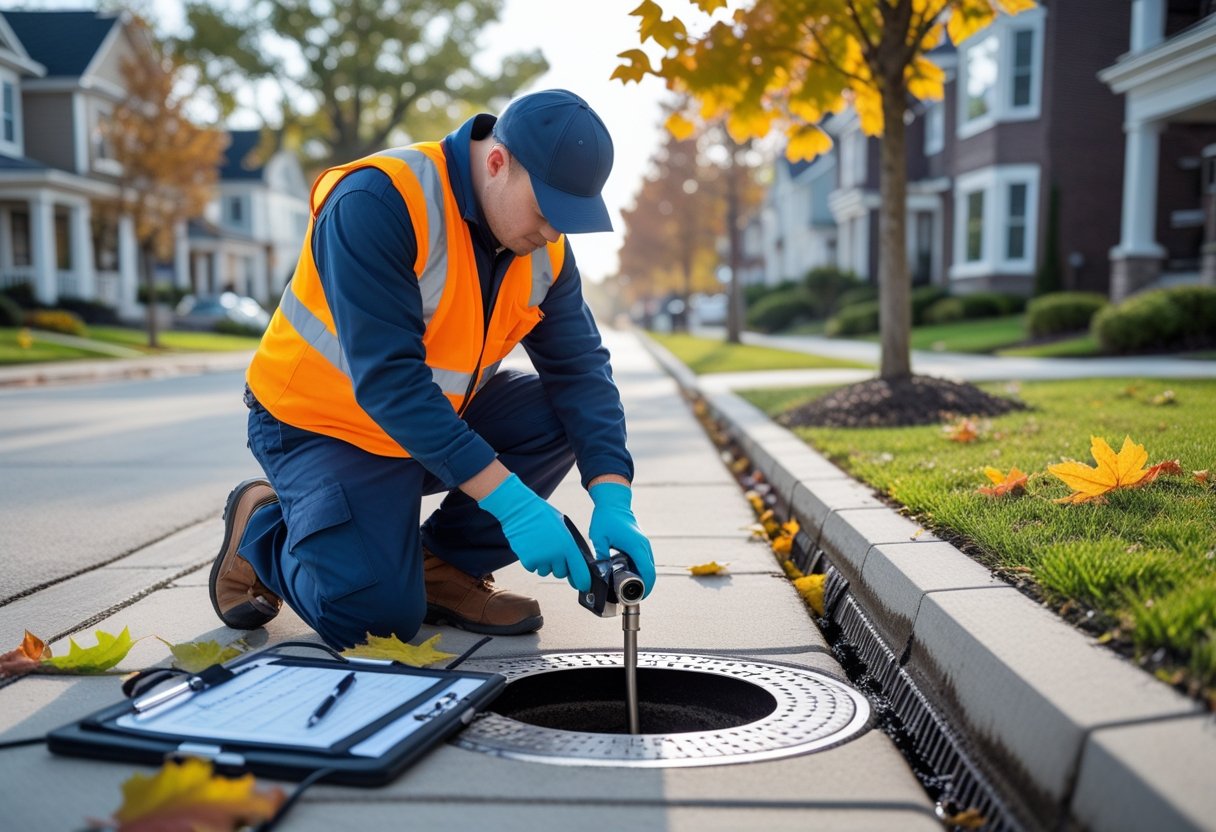
We use video camera inspections to locate damage precisely. A camera shows blockages, roots, cracks, and grease buildup so we can decide on spot repairs, relining, or full replacement. We document the findings and share video and stills to plan budgets and schedule work.
Routine Drain Cleaning and Inspections
We schedule inspections at least every 12-24 months for older systems and every 3-5 years for newer lines. Regular checks catch slow clogs and early root growth before a full backup occurs. We also inspect after heavy storms or if we notice slow drains or gurgling sounds.
For cleaning, we prefer hydro-jetting for grease and mineral buildup because it clears the full pipe wall. Mechanical snaking removes small clogs and roots but may not clear grease. We avoid chemicals that can damage pipes and harm the environment.
We keep records of cleaning dates, methods used, and camera reports. This history shows trends and helps us decide when lateral relining or replacement is needed. We also recommend seasonal checks, especially in spring and fall when root growth and soil movement are most active.
Proper Disposal Practices
We instruct residents and staff to only flush human waste and toilet paper. Items labeled “flushable” often do not break down and can form clogs. We collect non-flushable items like wipes, paper towels, dental floss, and feminine products in a trash bin, not the toilet.
We manage fats, oils, and grease (FOG) by letting cooking grease cool, scraping pans into the trash, and wiping remaining oil with paper before washing. FOG solidifies in pipes and causes blockages and backups.
We place strainers in sinks and hair traps in showers to catch solids. We avoid pouring paint, solvents, or hazardous liquids down drains. For large disposals or chemicals, we use proper hazardous waste drop-off or licensed haulers to protect our sewer line and the environment.
Seasonal Sewer Line Maintenance Checklist
We focus on routine checks, cleaning, and simple repairs that keep sewer lines clear and flowing. Follow specific steps each season to prevent backups, frozen pipes, and costly repairs.
Spring Plumbing Maintenance
We inspect sewer cleanouts, roots near lines, and areas where lawn grading might direct water toward the sewer. Use a garden hose to flush visible cleanouts and check for slow drains inside after heavy rains. If we see pooling or soggy spots above buried lines, we contact a pro for a camera inspection to look for root intrusion or collapsed pipe sections.
We clear gutters and downspouts to stop excess water from saturating soil around sewer pipes. We remove debris from yard drains and test backflow preventers. We also schedule a professional sewer line cleaning if we had backups last winter or if trees near the line are mature.
Summer Sewer Care Strategies
We check exposed sewer vents and roof vents for bird nests, leaves, or insect nests that can slow airflow and cause slow drainage. We run water in seldom-used fixtures for a minute weekly to keep traps filled and prevent odors. We inspect outdoor faucets and hose bibs for leaks and drips that waste water and can indicate pressure issues affecting sewer flow.
We use foam pipe insulation on any above-ground sewer or drain pipes in crawl spaces to reduce heat loss and slow root growth near warm pipes. We avoid pouring grease, coffee grounds, or fibrous food into drains. If we plan landscaping, we keep deep-rooted trees well away from sewer mains to reduce root invasion.
Fall Plumbing Preparation
We clean gutters and downspouts and make sure downspout extensions direct water at least 3–6 feet from the foundation. We inspect yard grading and fix low spots that trap water above sewer lines. We check cleanouts and test indoor drains for slow flow before cold weather sets in.
We winterize outdoor faucets and hose bibs: shut off outdoor water valves and drain hoses. We wrap exposed pipes and sewer vents with foam pipe insulation or foam sleeves if they run in unheated areas. If we spot cracking or previous freeze damage, we call a plumber to replace brittle sections before freezing temps arrive.
Winterization and Freeze Prevention
We prevent frozen sewer-related pipes by maintaining indoor heat above 55°F in unheated areas where sewer lines run. We keep cabinet doors open under sinks to let warm air circulate around pipes. If a sewer cleanout sits outside, we insulate it with foam insulation and cover it with a tight-fitting box to reduce freezing risk.
We avoid using chemical drain cleaners that can damage older pipes in cold weather. If a drain slows or we suspect a partial freeze, we run warm water and use a hair dryer on accessible pipe sections; do not use open flame. For persistent freezing or repeated problems, we hire a licensed plumber to assess insulation, reroute vulnerable lines, or install heat tape where allowed.
Preventing and Addressing Common Sewer Line Problems
We focus on keeping lines clear, finding leaks early, and making repairs before they get worse. Regular checks, targeted fixes, and simple tools save time and money.
Root Intrusion and Infiltration Management
We inspect for root intrusion by looking for slow drains, gurgling toilets, and wet spots in the yard near sewer runs. Roots enter through cracks or loose joints and can fill pipes over time. We recommend scheduling an annual camera inspection in older systems or after large tree plantings.
For control, we use mechanical cutting with a rooter or hydro-jetting to remove roots inside the pipe. Chemical root treatments (copper sulfate or foaming herbicides) can slow regrowth but must be used according to local rules. If roots recur, we evaluate trenchless relining or spot pipe replacement to seal joints and stop infiltration.
We map tree locations and avoid planting within 15–25 feet of sewer lines. When planting is unavoidable, choose shallow-rooted species and install root barriers. Document repairs and dates so we can watch recurring problem spots.
Leak Detection and Repair
We check for leaks by monitoring water bills, listening for running water, and inspecting damp areas over the sewer line path. A significant, unexplained rise in water use often signals a leak. We also use dye or pressure tests to confirm a leak inside the sewer main.
For precise locating, we use electronic leak detection tools and CCTV cameras to find cracks, offsets, or failed joints. Small leaks may be fixed with epoxy or cured-in-place pipe (CIPP) lining. Larger breaks require spot excavation and pipe replacement.
We always isolate the affected pipe section before repair to prevent sewage backups. After repair, we re-test with camera inspection and a pressure test to ensure the leak is sealed and flow is restored.
Managing Clogged and Slow Drains
We clear clogged drains first with mechanical augers or hydro-jetting, depending on the blockage type. Hair, grease, and mineral buildup respond well to high-pressure jetting. Tree root blockages require cutting tools followed by hydro-jetting to flush debris.
We advise routine drain maintenance: monthly enzyme-based treatments, avoiding grease down sinks, and hair traps in showers. For slow drains, we inspect downstream cleanouts and run a camera to locate partial blockages or dips that trap solids.
We document blockage locations and causes. If clogs reappear in the same spot, we evaluate pipe slope, sagging (bellying), or damaged pipe sections for repair or relining.
Cleanouts and Access Points
We locate and label all cleanouts on the property map and inspect caps for tight seals during seasonal checks. Cleanouts let us access the main line without digging and speed up clearing and camera runs.
We test cleanouts by opening them and running a hose or camera to verify flow. If caps are broken or missing, we replace them with threaded, gasketed caps to prevent infiltration and odor. We also check that cleanouts sit above grade or are in accessible boxes to avoid water pooling.
When installing new cleanouts, we place them at changes in direction, near the property line, and at intervals that match local code. We keep a log of cleanout locations and last service dates for easy reference during emergencies.
Professional Inspections and When to Call a Plumbing Service
We list the key checks and service steps we recommend to keep sewer lines clear and working. We explain camera inspections, how often to schedule them, what plumbers do on site, and why an annual water heater flush matters.
Sewer Camera Inspections
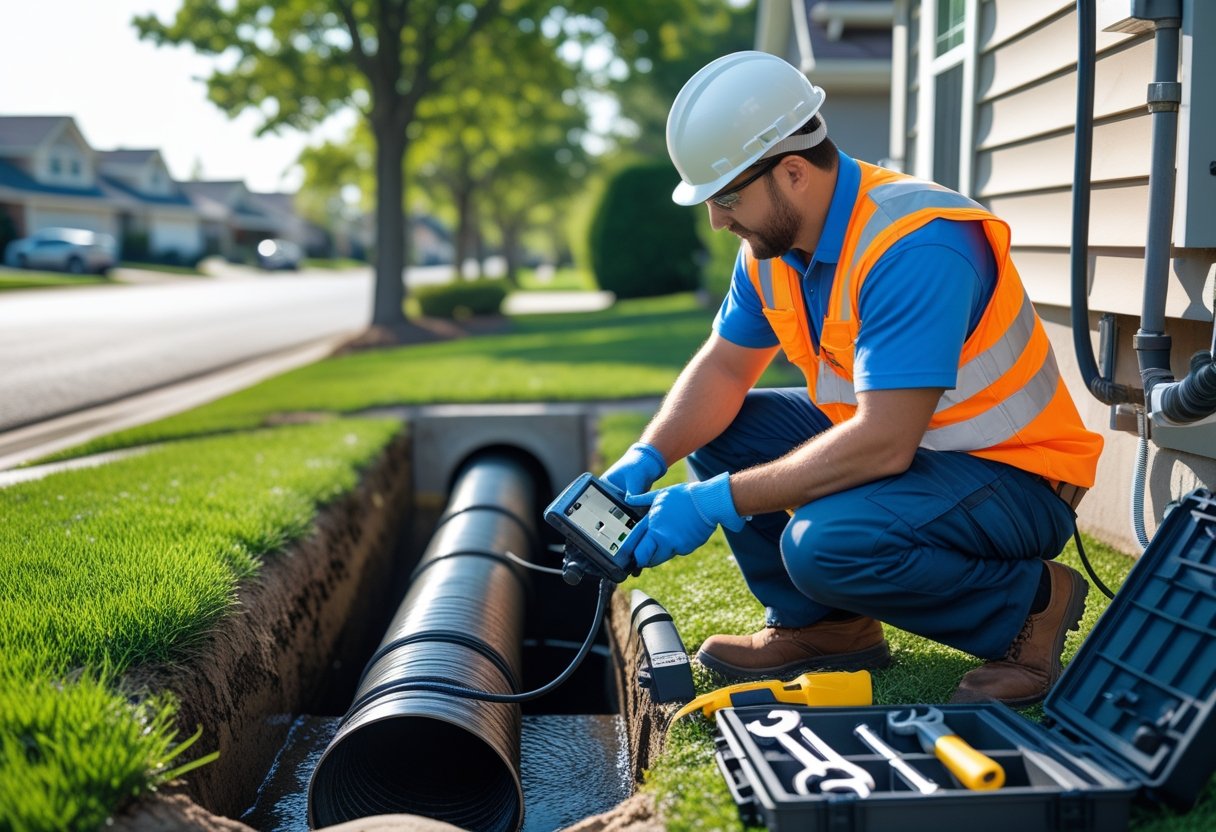
We use a sewer camera inspection to see inside pipes without digging. A camera on a flexible cable travels through the line and sends video so we can spot cracks, tree root intrusion, bellies, and blockages.
Technicians record the pipe material, pipe size, and exact distance to each problem. We mark defects and give a video or PDF report that shows location and severity. Photos and measurements help plan repairs and avoid unnecessary excavation.
We recommend a camera inspection if you smell sewer gas, have slow drains in multiple fixtures, or see sudden lawn sinkholes. We also advise a camera check before buying a home or after frequent clogs to confirm line condition.
Scheduling Sewer Line Inspections
We schedule inspections based on age, symptoms, and risk factors. For older homes (over 25 years), properties with large trees, or homes that use garbage disposals heavily, we suggest an inspection every 2-5 years.
If you notice slow drainage in more than one fixture, recurring clogs, sewage odors near the foundation, or unexplained high water bills, call us immediately. Waiting can let a small issue become a sewer backup that damages landscaping and the building foundation.
When booking, we confirm access points like cleanouts and plan for a camera run and locating service (to map the pipe). Typical inspections take 30-90 minutes depending on line length and conditions.
The Role of Professional Plumbing Services
Plumbing services diagnose, document, and fix sewer line problems we cannot safely handle ourselves. We perform camera inspections, hydro-jetting to remove roots and grease, pipe lining or replacement, and emergency cleanups after backups.
We follow local codes and use equipment rated for the job: sectional cutters, root saws, and high-pressure pumps for hydro-jetting. We also obtain permits and call utility locators when the work could affect public lines or gas and electric services.
We give clear repair options with cost estimates and timelines. For small obstructions, we may clear the line the same day. For major damage, we explain trenchless options like cured-in-place pipe (CIPP) lining versus open excavation so you can choose the least disruptive solution.
Annual Water Heater Flush
We include a water heater flush as part of yearly maintenance to protect pipes and reduce sediment that can affect drain performance. Flushing removes sediment from the tank that can shorten the heater’s life and clog fixtures.
Technicians drain a few gallons until the outflow runs clear, inspect the anode rod, and test the pressure relief valve. We document tank condition and recommend replacement when corrosion or a failing anode rod threatens leaks.
A scheduled annual flush reduces the chance of sudden heater failure and helps us spot leaks that could enter floor drains or sewer connections. We usually perform this during a routine home maintenance visit to save time and cost.