We often overlook maintenance until something breaks, but small issues rarely disappear on their own. Regular maintenance does more than keep things running-it prevents sudden breakdowns that can disrupt operations and raise costs. When we take care of equipment, systems, and facilities on a schedule, we face fewer emergencies and keep everything working smoothly.
By staying proactive, we reduce the stress and expense of unexpected repairs. Our maintenance program becomes the foundation for safety, reliability, and preparedness. This approach strengthens not only our equipment but also our ability to respond quickly when problems arise.
How Regular Maintenance Reduces Emergency Situations
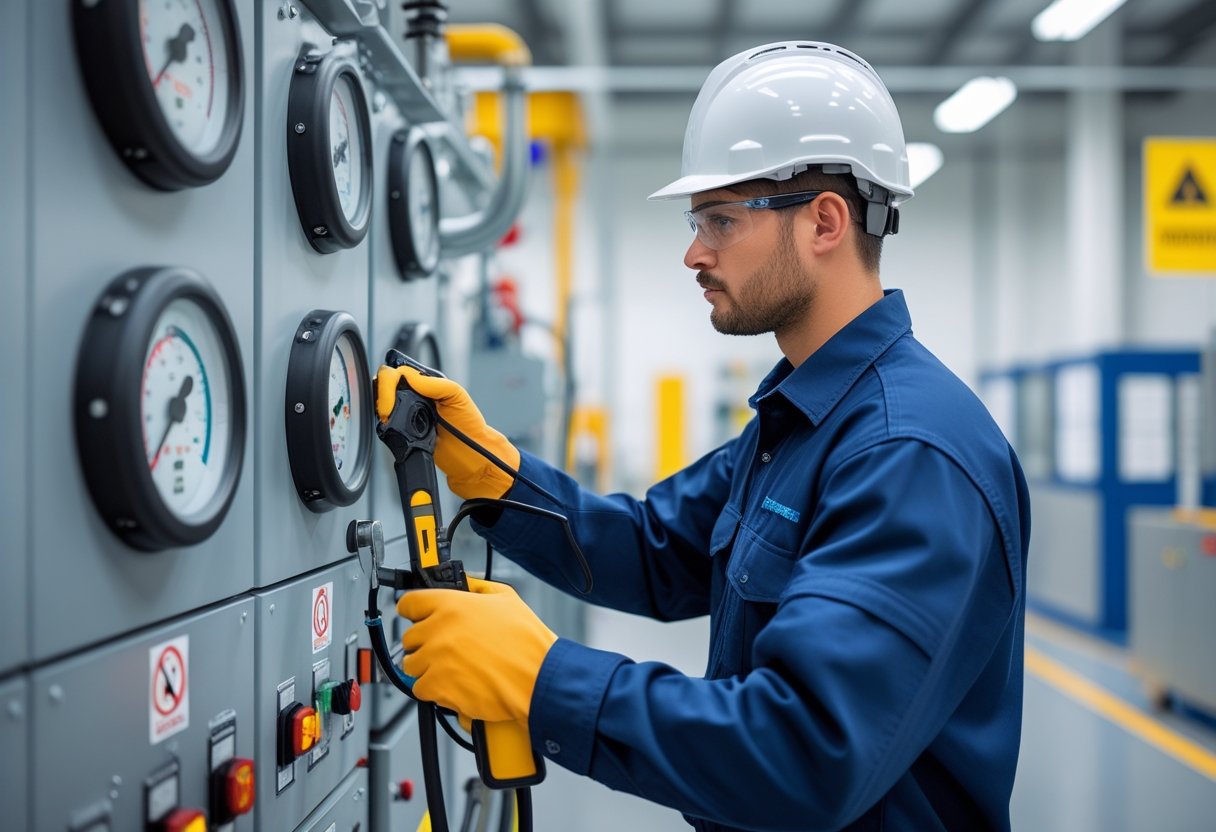
Regular maintenance helps us identify issues early, plan repairs efficiently, and extend the lifespan of our equipment. By using the right maintenance strategies, we can minimize unplanned downtime and reduce the need for emergency maintenance.
The Relationship Between Maintenance and Emergency Prevention
When we perform maintenance on a regular schedule, we lower the chances of sudden equipment failures. Early detection of wear or damage allows us to act before a small issue develops into a major breakdown. This steady approach keeps operations stable and safe.
Reactive maintenance often happens when neglected parts fail without warning. These emergencies consume more time and money than planned repairs. By maintaining consistent records and inspections, we make better maintenance decisions and prevent system strain.
Regular inspections, lubrication, and adjustments might appear minor, but they build reliability over time. A structured plan also reduces safety risks because workers face fewer unexpected mechanical faults. The key is staying proactive rather than waiting for failure.
Types of Maintenance: Preventive, Predictive, and Corrective
Each maintenance type serves a specific purpose in reducing emergencies.
- Preventive maintenance occurs on a fixed schedule. We replace parts and perform standard maintenance tasks before failure happens. This method suits assets that show predictable wear patterns.
- Predictive maintenance uses data from sensors to monitor equipment conditions. We repair or replace parts only when indicators show rising risks. This approach reduces unnecessary work while catching potential problems early.
- Corrective maintenance happens when we fix minor issues found during inspections. It keeps small defects from escalating into expensive breakdowns.
| Maintenance Type | Timing | Main Benefit |
|---|---|---|
| Preventive | Scheduled | Avoids predictable failures |
| Predictive | Condition-based | Reduces downtime and costs |
| Corrective | As needed | Prevents escalation to emergencies |
Balancing these strategies helps us limit reactive maintenance and build a reliable maintenance program.
Examples of Avoidable Emergencies Through Proactive Care
Several emergencies can be prevented through routine upkeep. A worn belt in an HVAC system, when replaced on schedule, avoids total system stoppage. Regular oil changes in engines prevent overheating and sudden shutdowns.
In manufacturing plants, checking hydraulic lines for leaks helps avoid costly fluid losses and damaged machinery. Facilities that clean electrical panels reduce fire risks caused by dust or corrosion. Even simple practices like checking tire pressure lower the chance of breakdowns on delivery routes.
By focusing on consistent monitoring and early repairs, we maintain safety, save resources, and reduce the need for emergency maintenance calls.
Key Components of an Effective Maintenance Program
An effective maintenance program depends on precise planning, proper use of resources, and reliable data. We focus on scheduling tasks before failures occur, using personnel and funds efficiently, and tracking maintenance activities through digital tools to prevent costly downtime.
Maintenance Schedules and Planning
We build reliable maintenance schedules by examining equipment age, usage, and past performance. Planned inspections, lubrication, and part replacements happen at set intervals to prevent breakdowns. A consistent schedule helps identify wear patterns before small issues grow.
We often use a calendar-based or condition-based planning approach. The first relies on time intervals, while the second depends on sensor readings or visual checks. Both methods require accurate records and team communication.
The planning process also defines maintenance priorities. For example:
| Priority | Type of Task | Typical Frequency |
|---|---|---|
| High | Safety systems | Weekly or daily |
| Medium | Production assets | Monthly |
| Low | Support equipment | Quarterly |
Clear schedules reduce confusion, cut maintenance cost, and let us plan downtime strategically.
Resource Allocation and Management
Sound resource allocation ensures maintenance work stays on track and within budget. We assign technicians, materials, and tools based on skill and task complexity. Proper staffing prevents delays and avoids overworking team members.
We rely on asset management systems to track parts, supplies, and maintenance history. This helps us monitor inventory levels and order components before shortages stop operations. Assigning tasks through digital work orders also improves accountability and time tracking.
Effective resource management connects technical and financial sides of maintenance. Maintenance management teams can analyze labor costs, spare part expenses, and service contracts. Tracking these factors helps control the total maintenance cost and ensures funds go where they bring the most value.
Role of Data Analysis and CMMS Software
Data analysis gives us insight into performance trends and failure causes. We collect data from maintenance logs, sensors, and inspection reports. By comparing this information, we can spot recurring problems, adjust maintenance schedules, and refine asset management plans.
Using Computerized Maintenance Management System (CMMS) software organizes this data into one platform. A CMMS stores equipment history, schedules tasks, and tracks labor and parts usage.
For example, CMMS dashboards often show:
- Open and completed work orders
- Equipment downtime and cost data
- Maintenance backlog reports
These systems support decision-making by showing where inefficiencies exist. With accurate data, we can predict maintenance needs, lower emergency repairs, and extend equipment life.
Supporting Safer, More Resilient Facilities through Maintenance
Regular maintenance strengthens building safety, keeps systems reliable, and reduces costly disruptions. We lower risks by inspecting, repairing, and upgrading equipment before failures happen.
Facility Management and Emergency Preparedness
Well-organized facility management improves how we respond to emergencies. By maintaining backup power systems, communication tools, and evacuation routes, we ensure that essential functions remain available during a crisis.
We keep updated emergency plans and review them with staff. Training for roles such as fire wardens and maintenance crews helps everyone react quickly and correctly. In healthcare and education, this preparation protects vulnerable groups who depend on safe building operations.
Routine inspection logs and energy management reports also help detect early warning signs, such as unusual power loads or HVAC pressure changes. Addressing these small issues often prevents mechanical failures that could block emergency responses.
| Key Maintenance Focus | Impact on Safety |
|---|---|
| Emergency Lighting | Ensures safe evacuation |
| Backup Generators | Maintains critical operations |
| Mechanical Systems | Prevents HVAC or boiler hazards |
Keeping systems accessible and up to date makes our facilities more resilient when unplanned events occur.
Compliance with Building Codes and Industry Standards
Following building codes and ANSI standards reduces both legal and operational risks. Regular inspections confirm that electrical, plumbing, and fire safety systems meet current regulations.
We track code updates to adjust maintenance schedules quickly. For example, if new ventilation standards apply to school facilities or government buildings, we perform upgrades before enforcement deadlines. This proactive approach avoids penalties and maintains public trust.
Maintenance teams also document all inspections and repairs to demonstrate compliance. Accurate records support audits and insurance claims, proving we manage facilities responsibly.
Examples of key compliance checks:
- Testing boilers and pressure vessels
- Inspecting electrical panels for faults
- Verifying exit signage and fire doors
By maintaining these details, we improve safety and uphold consistent operational standards.
Improving Fire Protection and Indoor Air Quality
Regular care of fire protection systems and air-handling equipment prevents both life-threatening and long-term health risks. We test fire alarms, smoke detectors, and sprinkler valves to confirm proper function.
Filter changes and duct cleanings reduce contaminant buildup that lowers indoor air quality. Cleaner air supports both energy efficiency and occupant health, especially in places like schools or hospitals where air circulation matters most.
We also calibrate HVAC sensors and adjust airflow to balance comfort and safety. Monitoring humidity and temperature helps detect early signs of mold or system imbalance. When combined, preventive fire safety and air quality maintenance create healthier, more dependable buildings.
Emergency Response and Contingency Planning Enhanced by Regular Maintenance
Regular maintenance strengthens our emergency response systems, limits failures, and allows faster recovery from disruptions. By aligning upkeep tasks with response strategies, we reinforce preparedness, protect operations, and reduce uncertainty when emergencies occur.
Minimizing Downtime and Supporting Fast Recovery
Routine equipment checks, data backups, and inspections prevent sudden breakdowns that delay response efforts. When we maintain systems regularly, we shorten the time between failure and function restoration. This consistency supports both operational continuity and rapid recovery after an emergency.
We depend on properly maintained infrastructure to keep power, communication channels, and safety systems active. For example, checking backup generators and updating software reduces the risk of outages during critical moments. These tasks help maintain links between departments and improve ICS or EOP operations when emergencies arise.
Regular logs and maintenance records also guide repair teams. With documented history, they can locate faults quickly, order parts faster, and resume services sooner. A reliable maintenance routine ensures fewer disruptions, reinforcing the effectiveness of both emergency and contingency plans.
Integrating Maintenance with Risk Assessment and Crisis Management
We improve our risk assessment when we pair it with consistent maintenance checks. Maintenance data reveals weak points that may not appear in standard evaluations, such as wear in backup circuits or decreasing battery efficiency in alarm systems. By correcting these vulnerabilities early, we reduce the mitigation costs during emergencies.
Our crisis management efforts depend on accurate, current information. Maintenance schedules provide that information. They form part of our contingency plan development, ensuring all systems align with emergency operating procedures and compliance standards like HICS or CT requirements.
We also use maintenance results to refine communication and reporting channels. When issues are found and tracked, the team knows what resources exist and which areas remain at risk. This approach maintains transparency, strengthens accountability, and builds readiness across departments.
Strategic Planning for Natural Disasters and Acute Events
Regular maintenance directly supports planning for natural disasters; such as floods, earthquakes, or wildfires; and other acute events like chemical spills or power outages. Critical systems, including electrical lines and site alarms, must function during these events. We maintain them to reduce the chance of failure when demand peaks.
During plan development, we test generators, secure backup data, and check emergency tools. These actions help ensure our EOP and ICS frameworks can run without interruption. Maintenance also includes verifying supply inventories, updating staff contact lists, and confirming that emergency communications remain operational.
Example checklist for ongoing preparedness:
| Task | Frequency | Purpose |
|---|---|---|
| Generator load test | Monthly | Ensure backup power reliability |
| Communication network audit | Quarterly | Confirm consistent emergency messaging |
| Supply rotation | Semiannually | Keep first-aid and materials current |
Through systematic upkeep and documented follow-ups, we create strong links between maintenance and emergency planning. This connection supports a safer, faster, and more coordinated response when crises occur.